Bernalillo County warns of West Nile virus in local mosquitoes
Mosquitoes in Bernalillo County tested positive for West Nile virus on June 23. Health officials want residents draining standing water and using repellent now, before human cases appear.
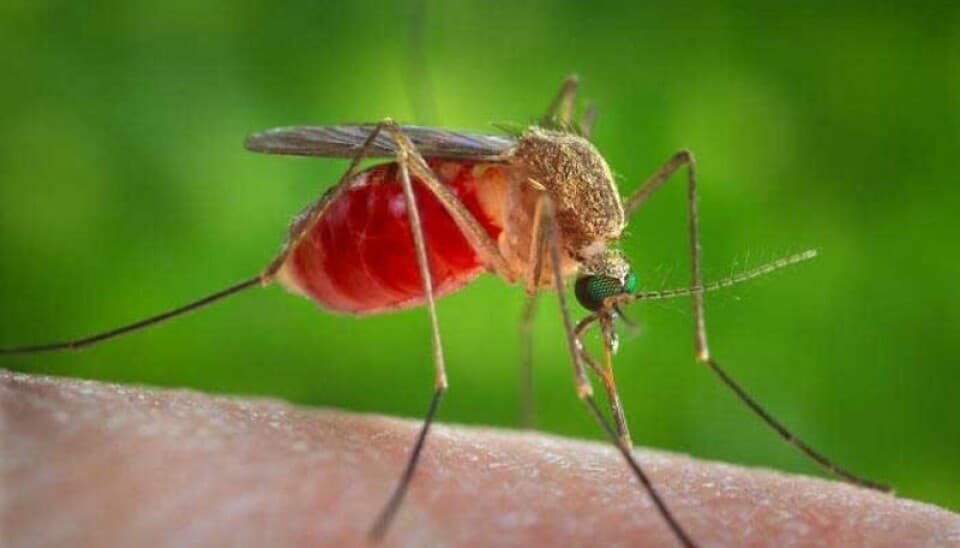
Mosquitoes testing positive for West Nile virus were collected in Bernalillo County on June 23, 2026, and health officials are urging residents to take precautions now. No human West Nile cases had been reported in New Mexico yet in 2026 when the county mosquito finding was announced.
Bernalillo County has seen West Nile before. The City of Albuquerque logged the first county mosquito detection in 2022, and Bernalillo County later confirmed the first human cases in 2024, one of them fatal. Albuquerque and Bernalillo County also operate a joint mosquito control program. The new positive mosquito samples will feed trapping, testing and public notifications across the county.

Use insect repellent, wear long sleeves and pants when you can, keep window and door screens in good repair, and dump any standing water where mosquitoes can breed. Check birdbaths, plant saucers, buckets, gutters, tarps and old tires after rain or irrigation. Warm weather and monsoon season bring mosquitoes back, and bites can be more than an annoyance when West Nile is circulating.
New Mexico had 52 human West Nile cases in 2025, including 11 deaths. Nationally, the Centers for Disease Control and Prevention counted 48 human cases by June 30, 2026.
Anyone bitten should watch for fever, headache, body aches, joint pains, vomiting, diarrhea and rash. More serious symptoms, including severe headache, fever or sudden weakness, should prompt medical attention. Older adults and people with weakened immune systems face the highest risk of complications, but anyone in Albuquerque, the South Valley, the North Valley, Los Ranchos, Tijeras and other parts of Bernalillo County can be bitten when mosquitoes are active at dusk and around standing water.
This article was produced by Prism’s automated news system from verified source data, official records, and press releases, then run through automated quality and moderation checks before publishing. The system is built and supervised by the people who set the standards it runs under. Read our full AI policy.
Did this article answer your question?