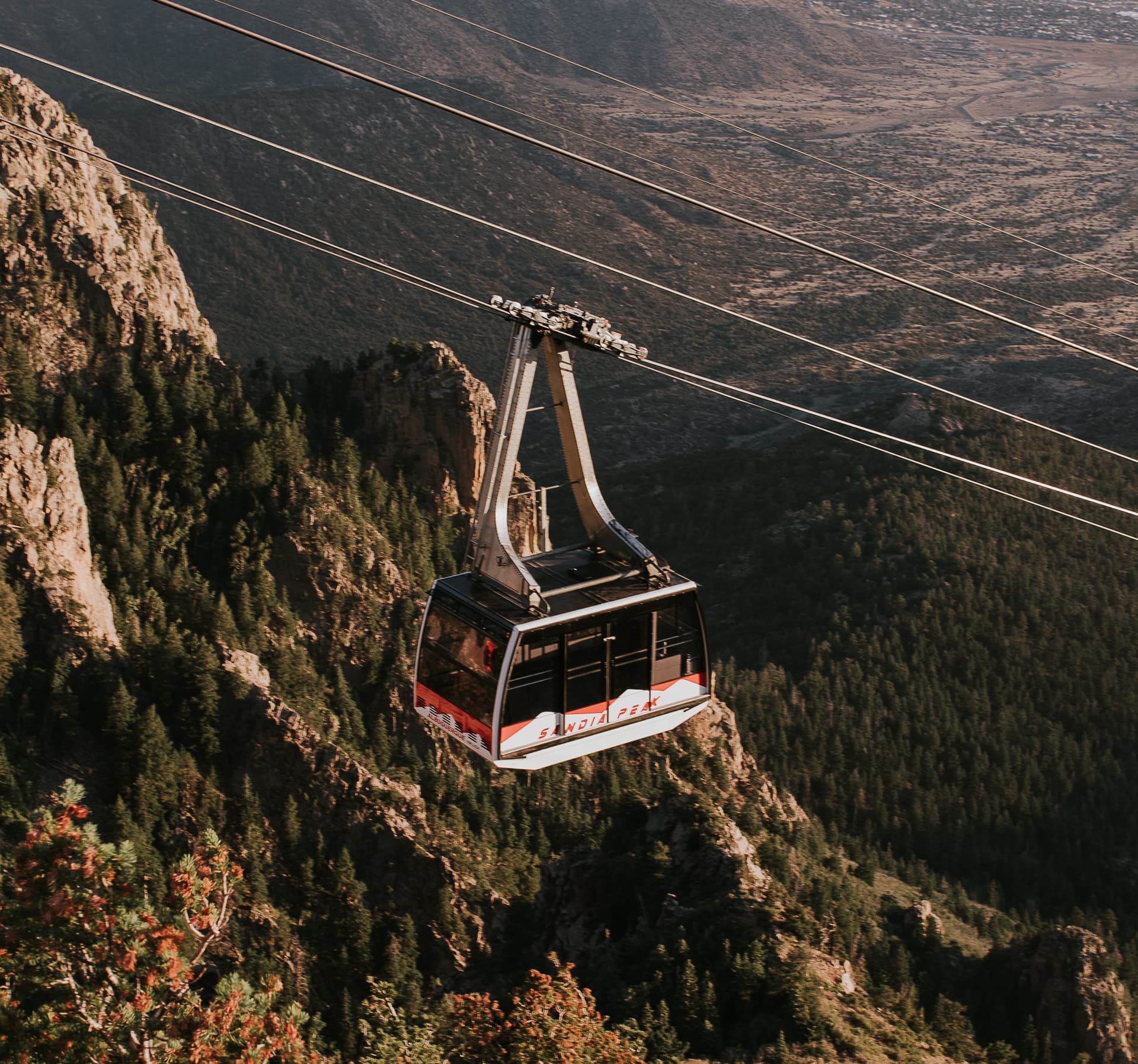
Cluster of earthquakes shakes area south of Albuquerque, no damage reported
A string of at least seven quakes rattled the valley south of Albuquerque, including a 3.8 near Abeytas, with no damage or injuries reported.

A cluster of at least seven earthquakes shook the area south of Albuquerque, and the strongest, a magnitude 3.8, was felt across communities in Valencia County. Reports from the Jarales and Rio Communities area came in after the shaking, but the Valencia County Fire Department said there were no damage or injury reports.
Two other quakes were recorded near Abeytas over the weekend, including a magnitude 3.2 at 8:30 p.m. Saturday and a magnitude 2.6 at 11:51 p.m. Saturday. The activity put a fresh spotlight on the stretch of central New Mexico that sits on the Rio Grande Rift, a north-south geologic structure that runs about 725 kilometers from Colorado to near El Paso, Texas.
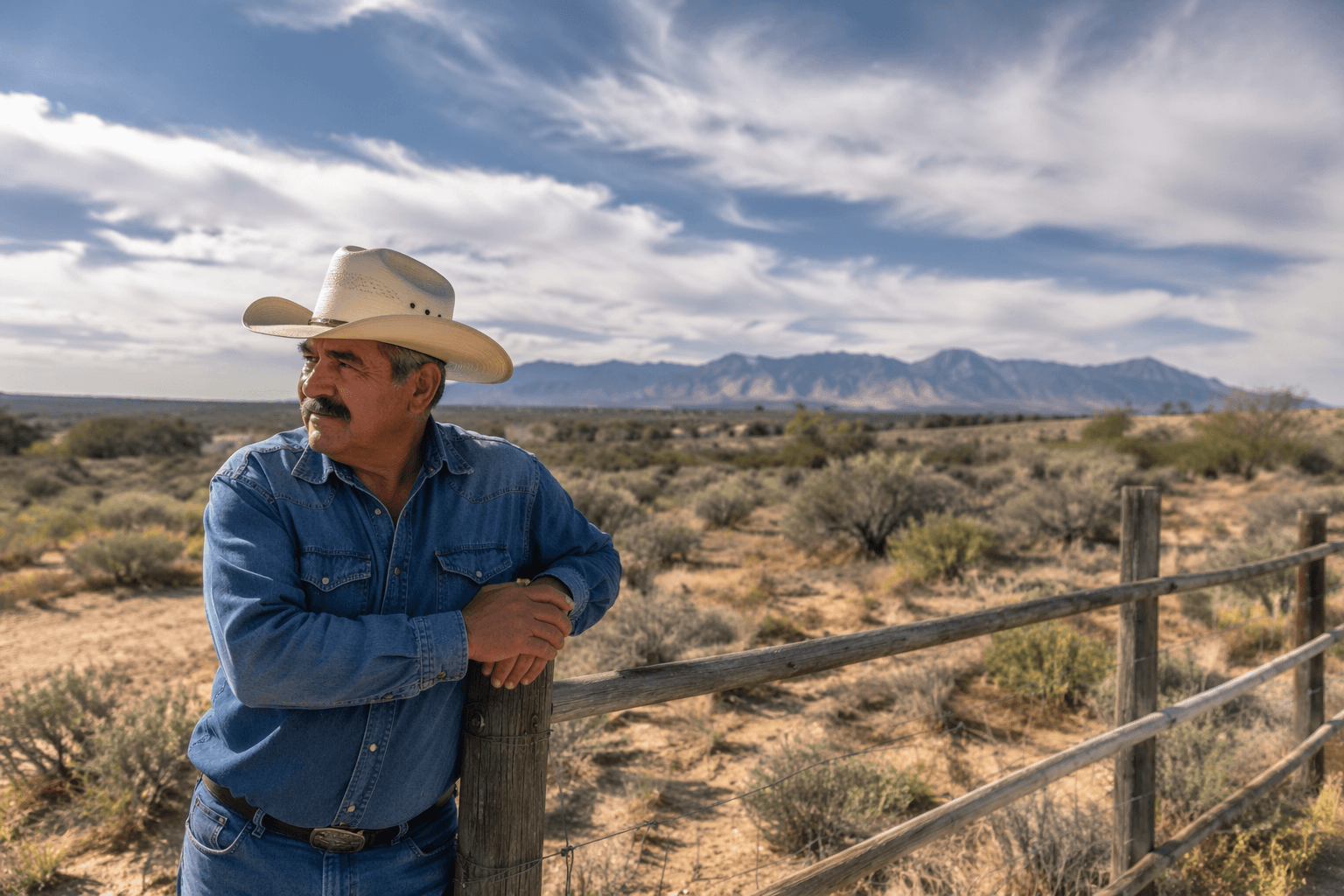
That rift is one reason New Mexico is no stranger to small quakes. The New Mexico Bureau of Geology & Mineral Resources says the Socorro area experiences many earthquakes, most too small to feel but detectable by seismometers. New Mexico Tech has said the Socorro seismic anomaly accounts for about 40% of the state’s seismicity above magnitude 2.5, underscoring why this part of the state gets watched so closely.
The monitoring network is centered in part on the New Mexico Tech Seismological Observatory, which tracks seismic activity with 21 mostly short-period sensors. Those instruments are placed primarily around the Socorro Magma Body and in southeastern New Mexico, giving scientists a detailed look at one of the most active seismic zones in the state.
The timing mattered for Bernalillo County and the rest of the Albuquerque metro because New Mexico’s population is concentrated along the Belen-to-Española corridor, which includes Albuquerque and Santa Fe. That means a quake south of the city can quickly be felt far beyond the epicenter, even when the shaking is brief and no damage follows.
Seismologists have long pointed to the central Rio Grande Rift as a place where small earthquakes are expected, not exceptional. New Mexico geology materials also note that the state’s largest earthquake occurred in 1906, and New Mexico Tech materials reference an about magnitude 6.2 Socorro earthquake that year. For now, the weekend cluster appears to fit the region’s established pattern: a restless rift, close enough to Albuquerque to get attention, but still part of a seismic landscape that central New Mexico has lived with for generations.
This article was produced by Prism’s automated news system from verified source data, official records, and press releases, then run through automated quality and moderation checks before publishing. The system is built and supervised by the people who set the standards it runs under. Read our full AI policy.
Did this article answer your question?