New Albuquerque photo book spotlights generations of lowrider culture
Albuquerque photographer Nathaniel Tetsuro Paolinelli’s 172-page book traces lowrider culture as family heritage, with more than 130 images from Central Avenue and the Route 66 corridor.
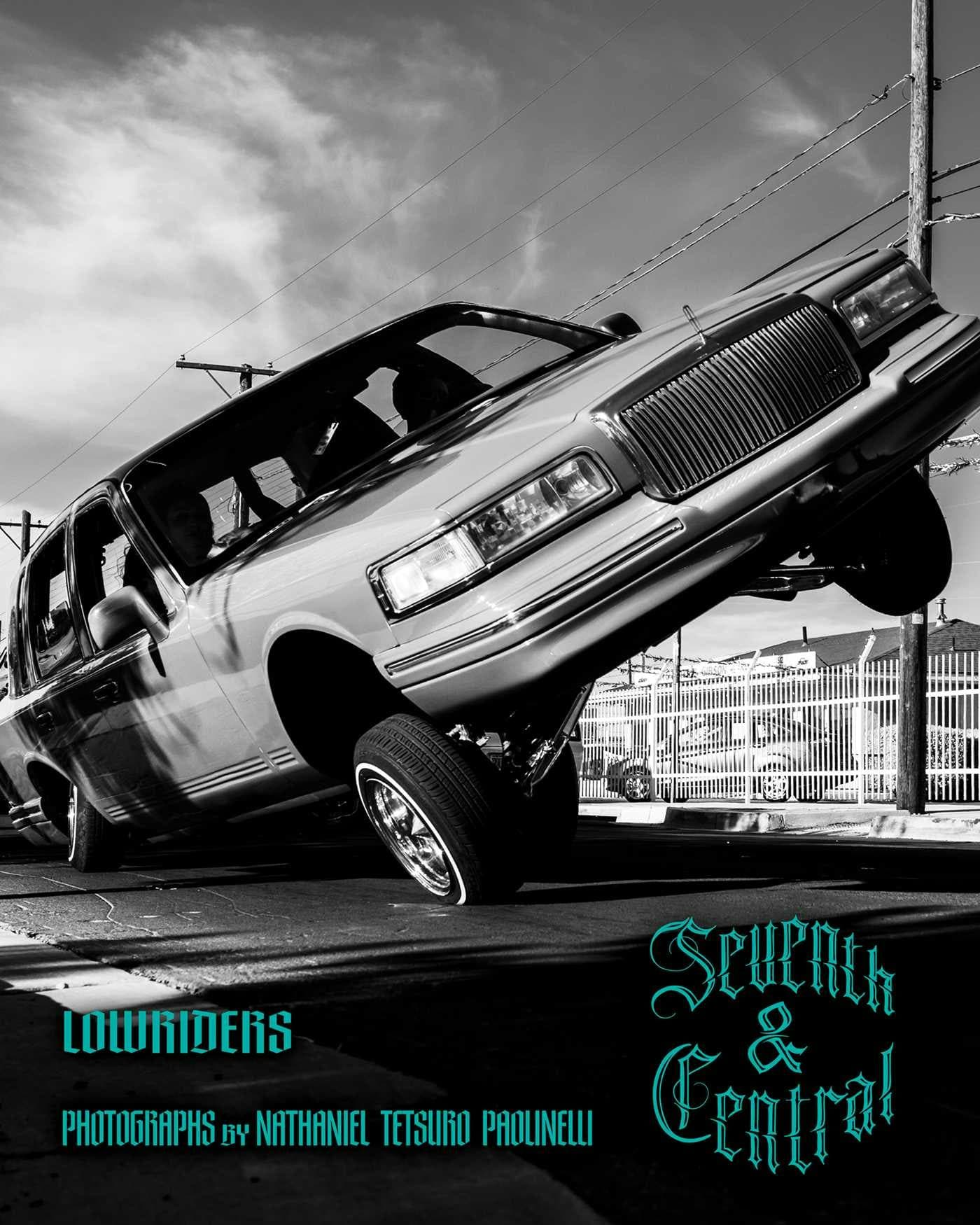
Lowrider culture in Albuquerque is getting a new visual record that treats cars as family history, not just chrome and paint. Nathaniel Tetsuro Paolinelli’s Seventh and Central: Lowriders follows the people who have kept the tradition alive along Central Avenue, where generations have turned cruising, craftsmanship and pride into a civic signature.
Published in 2026 by University of New Mexico Press, the book includes more than 130 photographs across 172 pages. Visit Albuquerque describes it as a community-centered portrait shaped by family, friendship, craftsmanship and pride, and that framing fits Paolinelli’s approach. The Albuquerque-based documentary photographer said the project began simply with taking photos before it grew into a book. His work already sits in the permanent collection of the Albuquerque Museum, which gives added weight to this latest look at a culture that has long been central to the city’s identity.
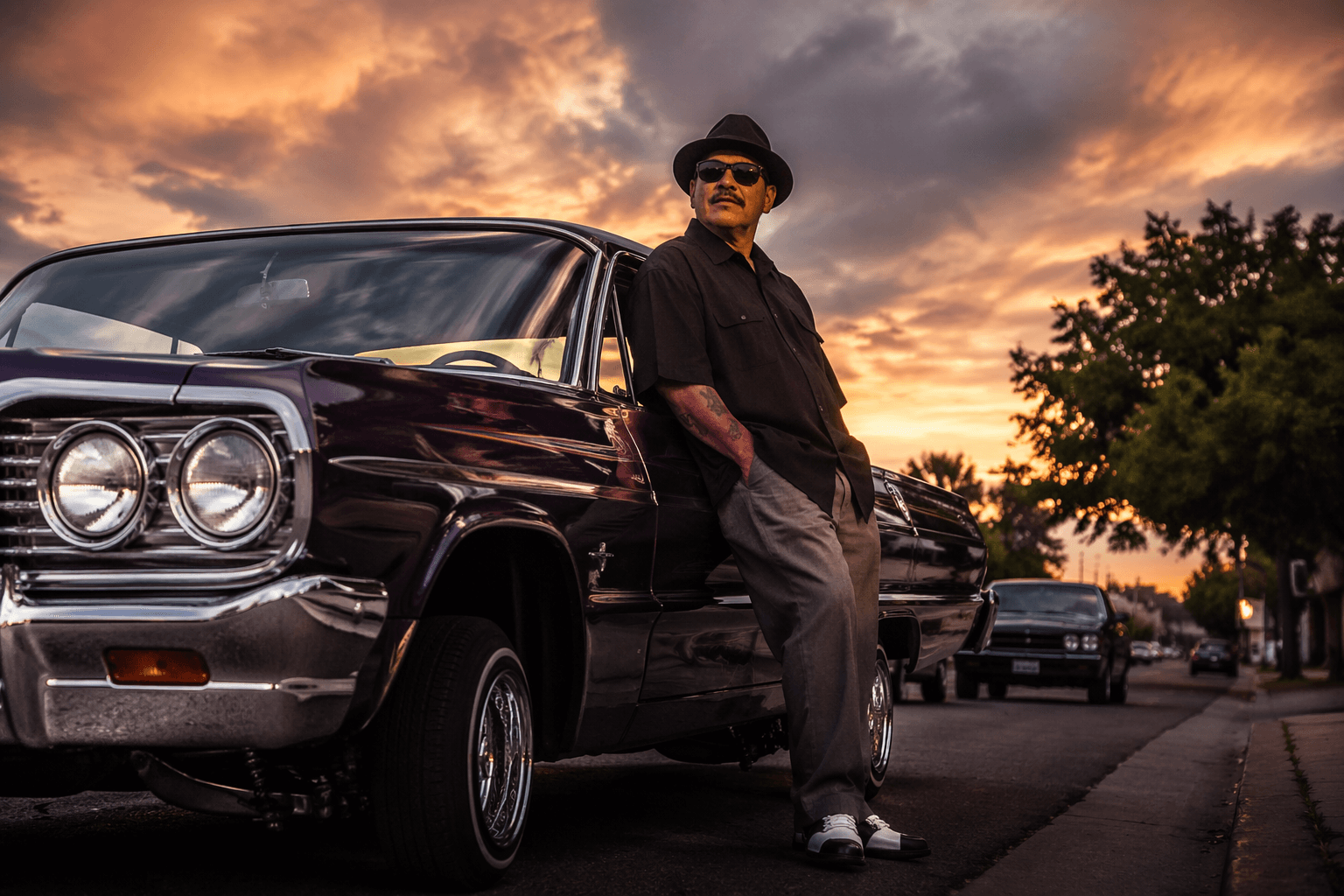
What makes the project stand out in Bernalillo County is its emphasis on continuity. Lowrider culture in Albuquerque has never been only about the vehicles themselves. It has blended art, mechanics, music, style and neighborhood participation, with families passing down knowledge and keeping the scene visible in public life. Paolinelli’s lens captures that inheritance on Central Avenue, the city’s longest urban stretch of Route 66, where the lowrider scene has helped keep the corridor feeling lived-in rather than frozen as a relic.
The timing also matters. Albuquerque has been marking Route 66 more prominently in 2026, including Route 66 Remixed along Central Avenue, which the city described as live and ready for residents and visitors in February. The Route 66 centennial is drawing fresh attention to the corridor, and the city’s Route 66 timeline places the University of New Mexico at Route 66, or Central Avenue, and University Boulevard, an intersection tied to scholars, artists, poets and architects who helped shape Albuquerque’s character.

The book has already moved beyond the page. Paolinelli presented it June 14 at Books on the Bosque, and a book-signing and photography panel is set for Aug. 16 at the Albuquerque Museum. The release also lands alongside the Albuquerque Super Show, which Route 66 Centennial organizers describe as one of the city’s most iconic annual events and a premier lowrider showcase drawing enthusiasts, collectors and artists from New Mexico and neighboring states. Together, the book and those gatherings show lowrider culture not as spectacle, but as a living family tradition still defining Albuquerque in public view.
This article was produced by Prism’s automated news system from verified source data, official records, and press releases, then run through automated quality and moderation checks before publishing. The system is built and supervised by the people who set the standards it runs under. Read our full AI policy.
Did this article answer your question?