Big Island County Records Over 400 Damage Claims After Back-to-Back Kona Lows
Mayor Kimo Alameda says two Kona lows left "tens of millions" in damage across the Big Island, with over 400 claims filed and FEMA assessments underway.
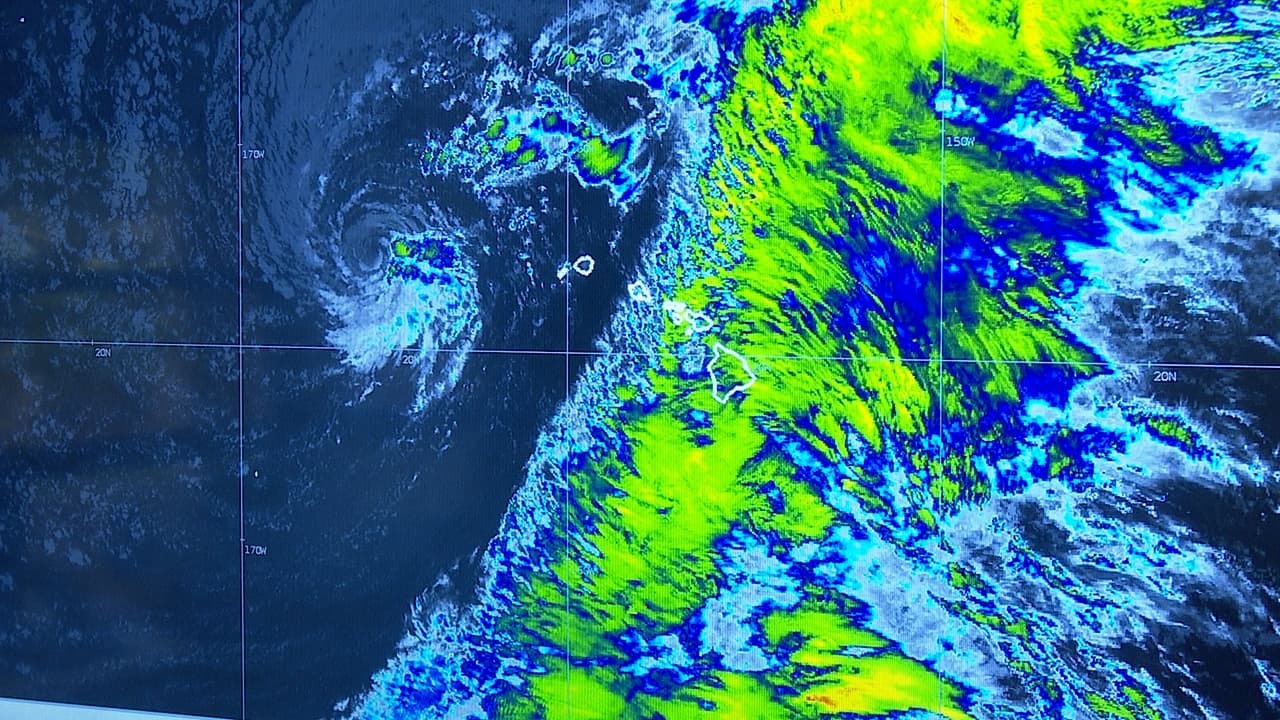
The first Kona low struck March 14, flooding and damaging properties in Ka'ū and South Kona. The second hit Monday, March 23, bringing thunderstorms that forced airplanes to ground at Ellison Onizuka Kona International Airport and knocked out power for nearly 1,400 Hawaiian Electric customers in the Kealakehe and Hōlualoa areas before moving to the east side of the island. By the time the National Weather Service canceled the last flood watch for the Big Island just after 1:30 a.m. on March 25, the county had already received more than 400 reports from residents and commercial properties for damage suffered during the two Kona low systems.
Mayor Kimo Alameda estimates the storms caused tens of millions of dollars in damage, especially with Monday's lightning strikes, and said he is working with the Hawai'i Emergency Management Agency and FEMA on damage assessments in hopes of getting funding to help residents, farmers and ranchers recover from the losses.
Monday's lightning was particularly destructive across Hilo. Lightning struck a power box at Pana'ewa Rainforest Zoo and Gardens, knocking out power in the front gift shop; the zoo reopened running on a generator. Lightning also hit Charles "Sparky" Kawamoto Swim Stadium, causing the pump to go out, which was subsequently fixed, and struck Carvalho Park, where damage was still being assessed. Konawaena High School, Konawaena Middle School and Ke Kula ʻO ʻEhunuikaimalino were damaged by the first Kona low and remained closed for the rest of the week for cleanup and repair.
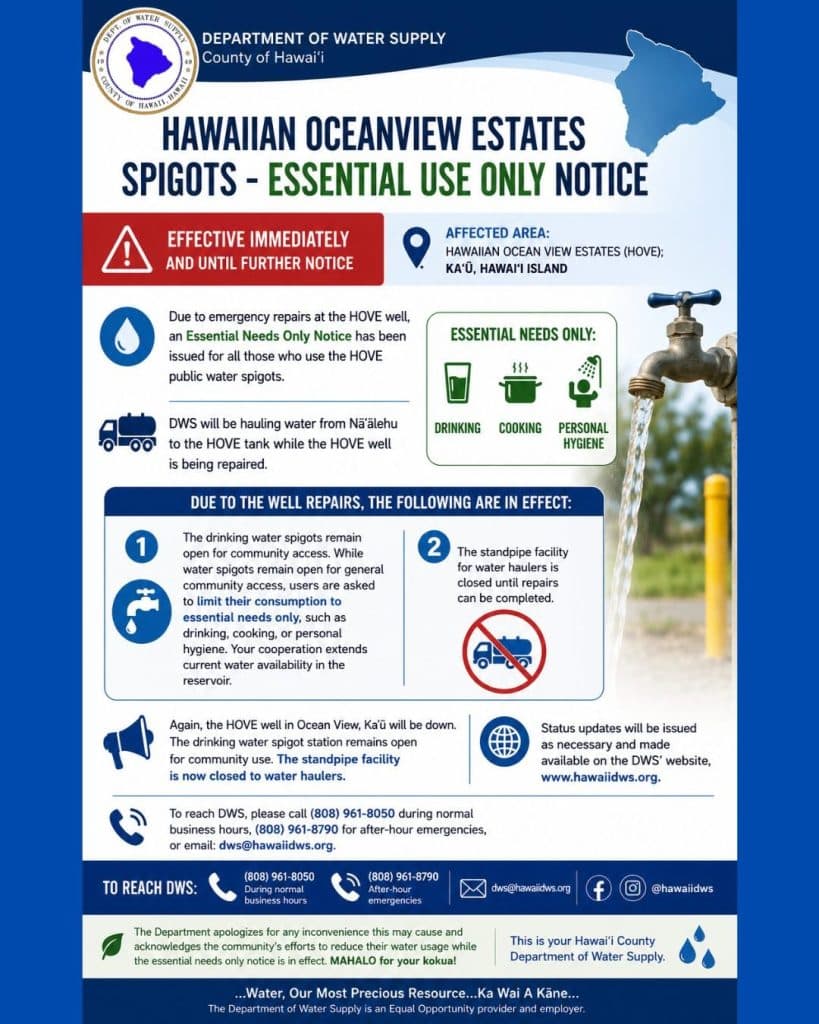
In Pāhala, heavy rain washed out pavement on Pikake Street in Ka'ū, with contractors scheduled to make repairs Wednesday. Highway 11 became what witnesses described as "a raging river," cutting off the communities of Pāhala and Nā'ālehu, while residents in Ka'ū reported the worst flooding in 20 years.
The storms' toll extended to the island's most prominent natural landmark. Flood damage swept through the Greenwell Coffee Farm nursery in South Kona during the March 14 storm. Hawai'i Volcanoes National Park partially reopened following the back-to-back systems, with access restored to the Kīlauea summit area and Chain of Craters Road, though work continued to clear and repair remaining storm-impacted areas alongside ongoing cleanup from the summit's recent episodic eruption.

Damage assessments indicate losses exceeding $400 million from the first storm alone statewide, with total damages from both events expected to surpass $1 billion. Gov. Josh Green has submitted a formal request to the President for a Major Disaster Declaration to support statewide recovery efforts. Joint Preliminary Damage Assessments with FEMA are currently underway across all counties.
Even as assessments proceeded, National Weather Service meteorologist Thomas Vaughan cautioned that the island was not yet in the clear. "We could get some additional heavy rain in some areas, so I'd say we're not out of the woods yet," Vaughan said, noting that northeastern areas of the island are most favored for rainfall.
Hawai'i County continues to accept damage reports through the Hawai'i County Civil Defense Agency website. Farmers seeking aid are encouraged to participate in a damage survey to document agricultural losses and support funding requests.
This article was produced by Prism’s automated news system from verified source data, official records, and press releases, then run through automated quality and moderation checks before publishing. The system is built and supervised by the people who set the standards it runs under. Read our full AI policy.
Did this article answer your question?