Big Island County Sirens to Mark 80th Anniversary of 1946 Tsunami
Ninety-six people died in Hilo alone when the 1946 tsunami struck without warning. Wednesday's siren test marks 80 years, but the biggest risk is still not knowing what the tone actually means.
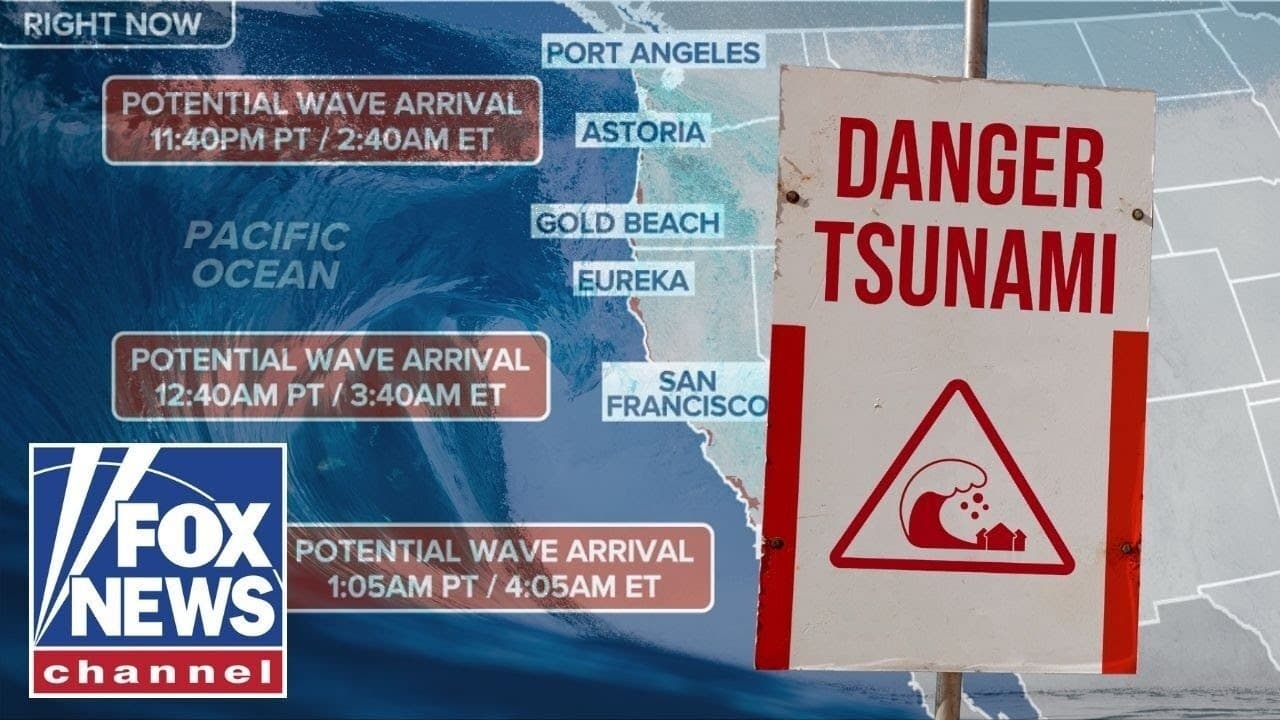
Ninety-six people died in Hilo alone when waves from an Aleutian Islands earthquake arrived on April 1, 1946, traveling nearly five hours across the Pacific with no warning system to intercept them. At Laupāhoehoe Point, 20 students and 4 teachers drowned when surf overran the peninsula. Eighty years to the day, the state's outdoor warning sirens will sound again Wednesday morning. This time it is a test, scheduled for 11:45 a.m.
"This month's test holds special significance as it aligns with the 80th anniversary of the devastating 1946 tsunami that struck our islands, leading to the tragic loss of over 100 lives," the Governor's office stated in the announcement issued by the Hawaiʻi Emergency Management Agency. The monthly test of the all-hazard Statewide Outdoor Warning Siren System will produce a one-minute Attention Alert Signal, a steady tone, across all statewide outdoor units. A test of the Live Audio Broadcast segment of the Emergency Alert System will run at roughly the same time in cooperation with the Hawaiʻi broadcast industry. There will be no exercise or drill accompanying the test.
What the test cannot measure is whether Big Island residents know what the tone actually requires of them. According to Hawaii County Civil Defense, a siren sounding is not a command to immediately self-evacuate. It is a signal to tune to a local commercial radio station, where Civil Defense will broadcast zone-specific instructions confirming whether a genuine threat exists and what each area should do. Acting without those instructions, or conversely dismissing the signal because it sounds on the first business day of every month, are both documented failure modes.
The 1960 tsunami offers the starkest example. Warning sirens sounded in Hilo nearly four hours before waves arrived, giving residents substantial evacuation lead time. Many left, saw the first wave arrive with modest height, concluded the danger had passed, and returned to low-lying areas before the largest wave hit. Sixty-one people died across Hawaii. The lesson has not aged: the first wave is rarely the worst one, and Civil Defense, not one's own read of the waterline, determines when it is safe to return.

The statewide siren network outputs 121 decibels per unit with a rated propagation radius of roughly 3,400 feet, though actual reach varies with terrain and ambient conditions. The sirens operate on battery power charged by photovoltaic systems, making them independent of grid power during the outages that often accompany major disasters. James D.S. Barros, Administrator of Emergency Management, and Major General Stephen F. Logan, Director of Emergency Management, are among the officials behind Wednesday's announcement.
For Big Island households, the preparedness basics remain the same: know your evacuation zone before a warning arrives, not during one. Zone maps are available through Hawaii County Civil Defense. When the siren sounds in an actual emergency, tune to local radio immediately, follow any evacuation directive for your zone without delay, and do not return to coastal or low-lying areas until Civil Defense issues a formal all-clear.
The 1946 disaster is also the reason any Pacific-wide alert system exists. That April morning in Hilo, where nearly 500 buildings were demolished and more than 900 damaged, directly drove the creation of the Pacific Tsunami Warning Center. Wednesday's sirens on the Big Island are, in the most direct sense, the consequence of the day they were not there.
This article was produced by Prism’s automated news system from verified source data, official records, and press releases, then run through automated quality and moderation checks before publishing. The system is built and supervised by the people who set the standards it runs under. Read our full AI policy.
Did this article answer your question?