Big Island raw ahi sales must show country-of-origin labels July 1
Big Island seafood counters now have to show where raw processed ahi was landed, changing what shoppers see in poke, sashimi and fresh-fish cases.
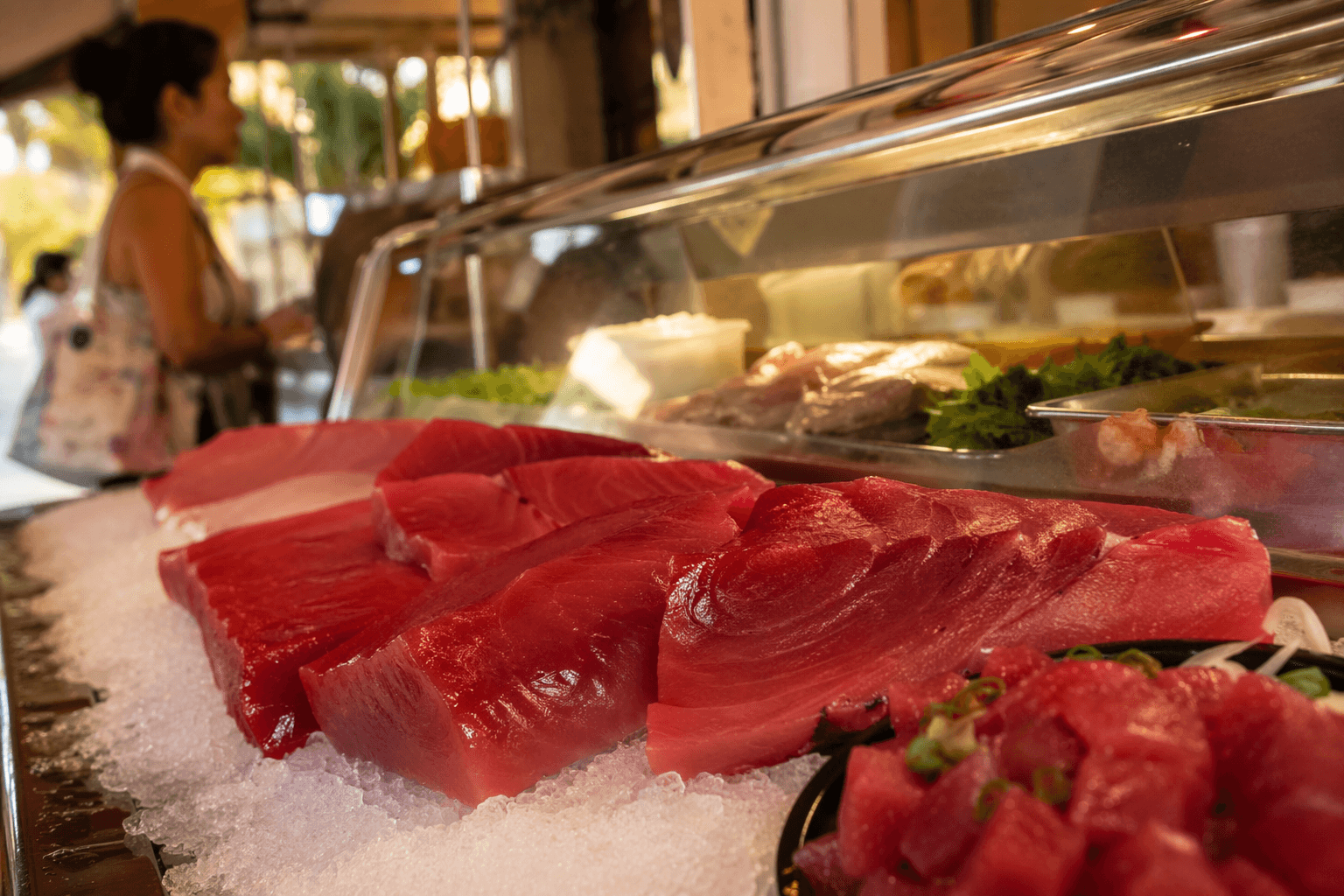
Big Island shoppers buying raw processed ahi at covered seafood counters began seeing country-of-origin labels on July 1, a change that puts the source of poke, sashimi and fresh ahi at the point of sale. The new rule reaches grocery stores, retail seafood operations and other sellers of raw processed ahi on Hawaii Island, where buyers often want to know whether the fish is local or imported.
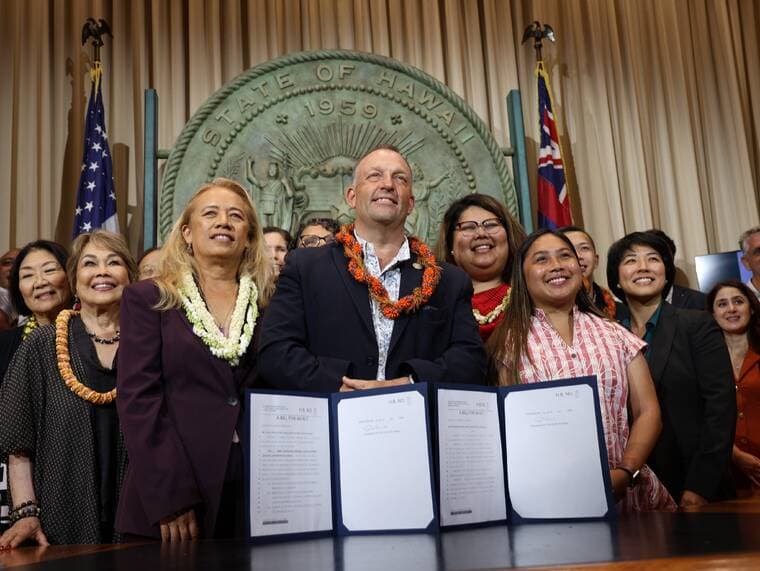
Act 238, signed by Gov. Josh Green on June 27, 2025, requires retail establishments selling raw processed ahi products to display where the fish was landed. The law covers businesses licensed under the federal Perishable Agricultural Commodities Act of 1930, including establishments that purchase more than $230,000 of fresh or frozen produce a year. Covered stores cannot keep, offer, display, expose for sale or solicit the sale of raw processed ahi unless a label identifies the country where the ahi was landed.
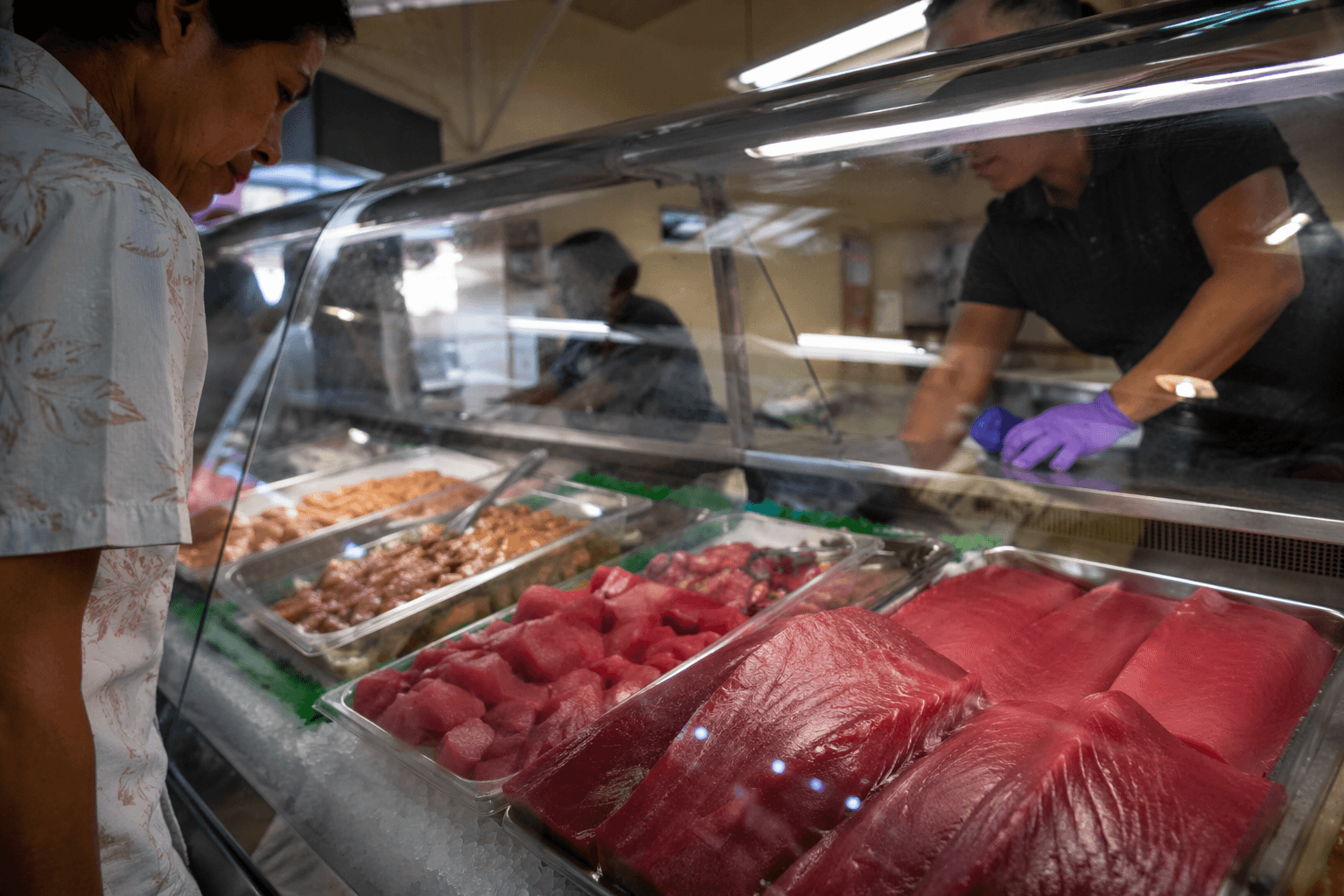
The change is meant to give consumers clearer information while helping protect Hawaii’s commercial fishing industry. The Department of Agriculture and Biosecurity will handle outreach, education and enforcement-related work through the Measurement Standards Branch, and retailers that do not comply may receive warnings and face further action under Hawaii Revised Statutes chapter 486-32.
Previously frozen and carbon monoxide-treated imported tuna dominates retail sales, while most raw ahi sold in local retail establishments is sold in poke and sushi products. The definition of ahi in the law covers yellowfin tuna and bigeye tuna.
A state bill analysis puts commercial yellowfin and bigeye tuna landed in Hawaii ports at an annual dockside value of about $100 million, making tuna the highest-valued food commodity produced in the state.
Department Chair Sharon Hurd said consumers deserve clear and accurate information about the food they buy, and the law gives that information at the point of sale while recognizing the value of Hawaii’s commercial fishing industry. For retailers and poke sellers, the practical task is immediate: make sure the label is visible, accurate and tied to the fish in the case.
This article was produced by Prism’s automated news system from verified source data, official records, and press releases, then run through automated quality and moderation checks before publishing. The system is built and supervised by the people who set the standards it runs under. Read our full AI policy.
Did this article answer your question?