Big Island Walk for Lives honors overdose victims, promotes fentanyl prevention
Families walked from Mooheau and Kona Coast Shopping Center as the island marked a life lost to opioid overdoses every nine days.

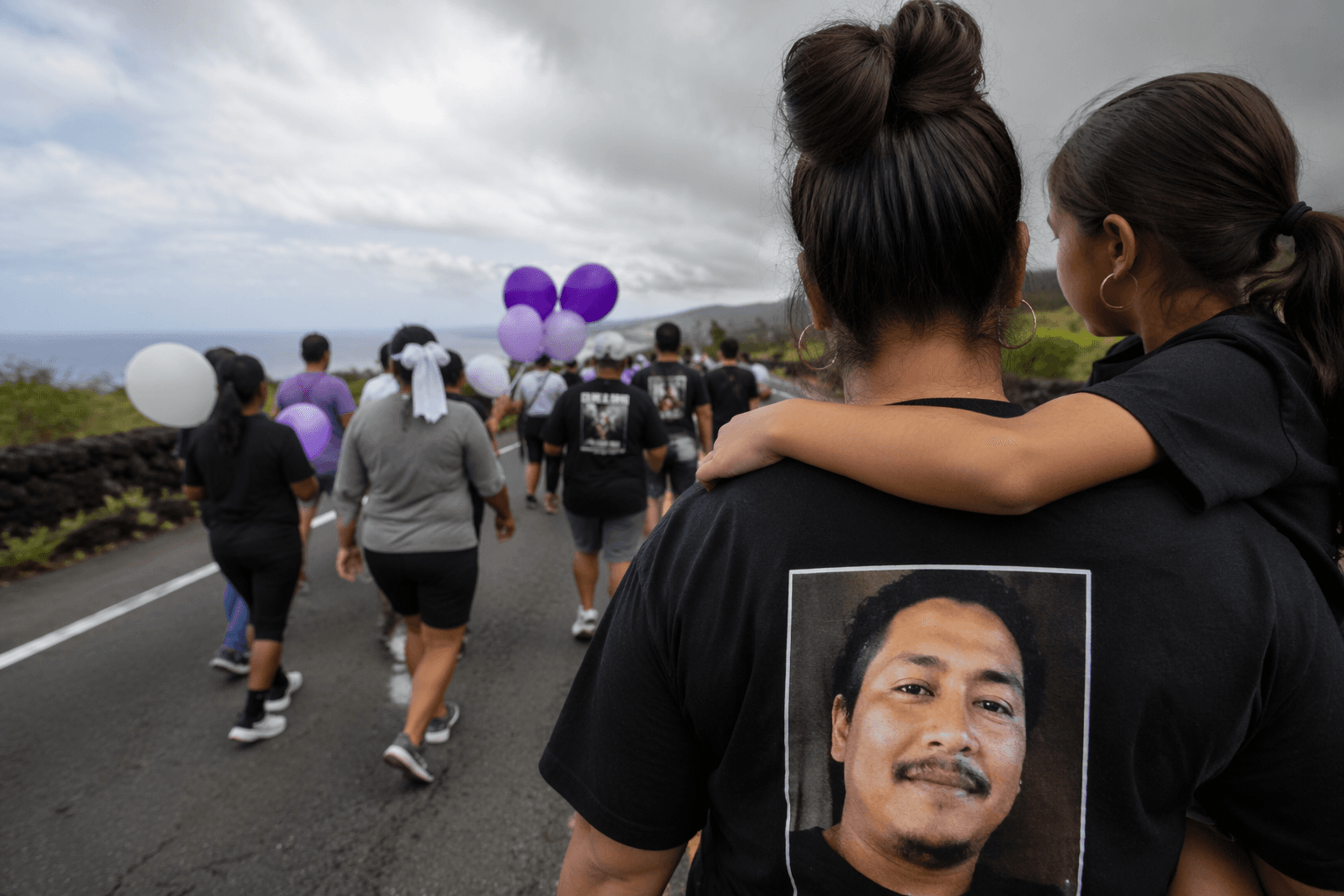
Families, recovery advocates and community leaders gathered in Hilo and Kona for Walk for Lives, a paired memorial march that linked overdose grief with fentanyl prevention across Hawaii Island. In Hilo, participants started at Mooheau Bandstand and walked to the Kamehameha statue. In Kona, the route ran from Kona Coast Shopping Center to the Henry Street intersection, with both walks set for 9 a.m. and participants asked to arrive by 8:30 a.m.
The Hawaii Island Fentanyl Task Force tied the walk to a national effort that put more than 100 family-led community events in motion across all 50 states under the Walk for Lives 2026 banner, in partnership with the U.S. Drug Enforcement Administration and United Against Fentanyl. The island group traces its own beginning to November 2021, after a 14-year-old girl died at home on Hawaii Island of a fentanyl overdose, and it says fentanyl was first recognized here around 2017 to 2018. Its website says Hawaii Island loses a life to opioid overdoses every nine days.
The walk was designed as more than a procession of signs and names. Organizers called it family-friendly and asked people to bring homemade signs that could serve as tributes, calls to action or messages of hope. After the walk, attendees were set to take part in sign-waving and connect with local support organizations, prevention resources and recovery services, turning the event into a direct entry point for anyone looking for help or information.
The public health backdrop is measurable, not abstract. The Hawaii Department of Health maintains a substance use statistics dashboard that includes fatal drug overdose data drawn from CDC SUDORS and CDC WONDER. CDC’s SUDORS system relies on death certificates, medical examiner and coroner reports, and postmortem toxicology results to guide prevention and response efforts. On an island where overdose losses have touched many families, the split between Hilo and Kona gave residents in both major population centers a local place to gather, remember and leave with concrete resources in hand.
This article was produced by Prism’s automated news system from verified source data, official records, and press releases, then run through automated quality and moderation checks before publishing. The system is built and supervised by the people who set the standards it runs under. Read our full AI policy.
Did this article answer your question?