Green signs health laws expanding coverage, easing medical costs in Hawaii
Fertility coverage, colonoscopy follow-ups and medical debt relief are now on the books, including a first debt pool that reaches 6,654 Hawaii island residents.
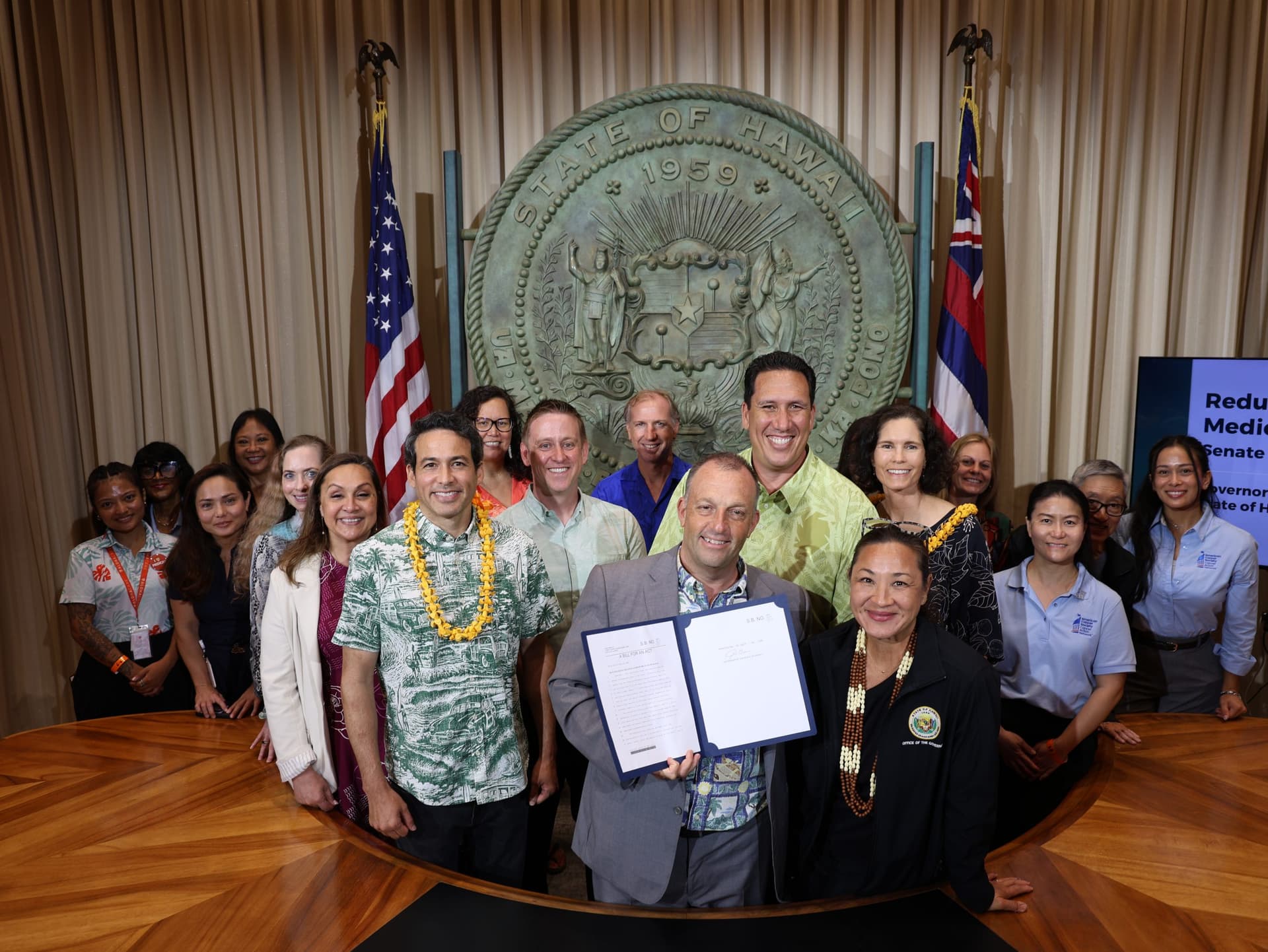
Josh Green signed three health measures on July 9, putting new coverage rules and a medical debt program into motion for Hawaii residents, including 6,654 people on Hawaii island who are part of the first debt pool. The governor signed the bills in two separate ceremonies and said access to quality healthcare should not depend on a person’s ability to pay.
One measure, HB 1864, will require insurers, mutual benefit societies and health maintenance organizations to cover standard fertility preservation services for people getting medically necessary treatment that could cause infertility. The law applies to policies, contracts, plans and agreements issued or renewed after Dec. 31, 2026. Cancer patients and others facing treatments that can damage reproductive organs will no longer have to treat fertility preservation as an added out-of-pocket expense.

HB 1969 takes aim at colorectal cancer, the second leading cause of cancer deaths in Hawaii. It requires certain health plans to cover a follow-up colonoscopy without deductible, copayment, coinsurance or other cost-sharing after a positive stool-based, blood-based or direct visualization screening test. The measure also creates state-funded financial assistance for eligible people, aimed at uninsured residents, residents whose coverage does not fully pay for screenings without cost-sharing, and certain Medicaid-ineligible residents.
The third measure, SB 3025, creates a Medical Debt Acquisition and Forgiveness Program within the Office of Wellness and Resilience and appropriates $500,000 for fiscal year 2026-2027 to launch it. The program is intended to start with debt already acquired by a medical debt collection and cancellation organization, a pool that covers 50,016 Hawaii residents statewide. The first phase includes 6,654 residents on Hawaii island. Medical debt can delay needed care and create barriers to employment and housing, and a 2022 Peterson-KFF Health System Tracker report found more than one in twenty adults in Hawaii have medical debt on their credit report.
This article was produced by Prism’s automated news system from verified source data, official records, and press releases, then run through automated quality and moderation checks before publishing. The system is built and supervised by the people who set the standards it runs under. Read our full AI policy.
Did this article answer your question?