Coconut rhinoceros beetle found at Hilo airport triggers island response
A dead coconut rhinoceros beetle in a Hilo airport trap has set off new checks, because one missed infestation could spread through palms, mulch piles and green waste across the island.

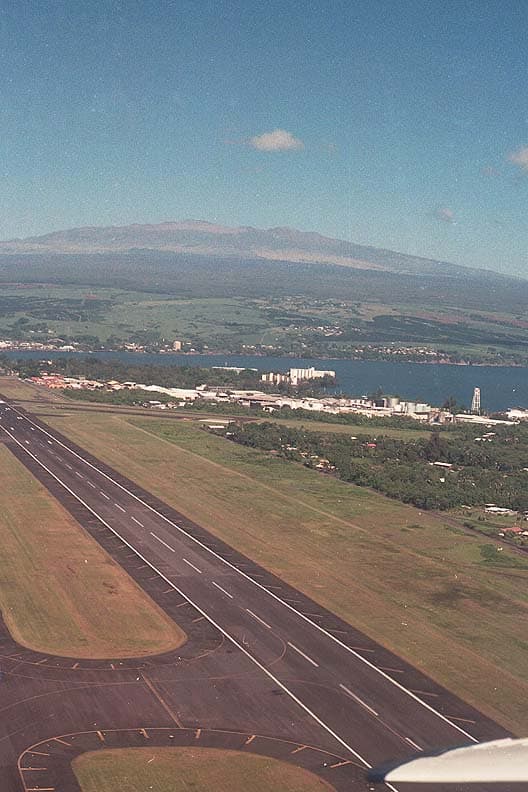
A dead female coconut rhinoceros beetle turned up in a state-owned bait trap at the northeastern edge of Hilo International Airport. The beetle was collected Monday by staff from the Big Island Invasive Species Committee after it entered the trap sometime after the previous check on June 16.
The first detection turned up last year in a retail store near a mulch display and was shipped dead from Oahu. This time, the beetle was found at the airport itself.
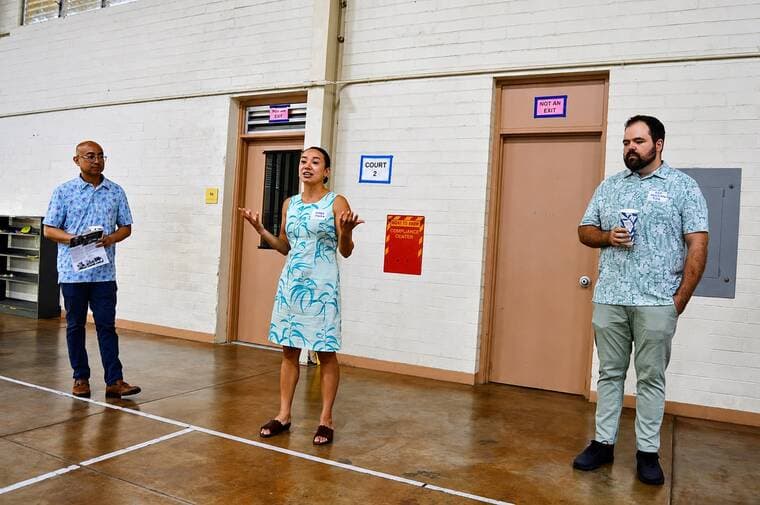
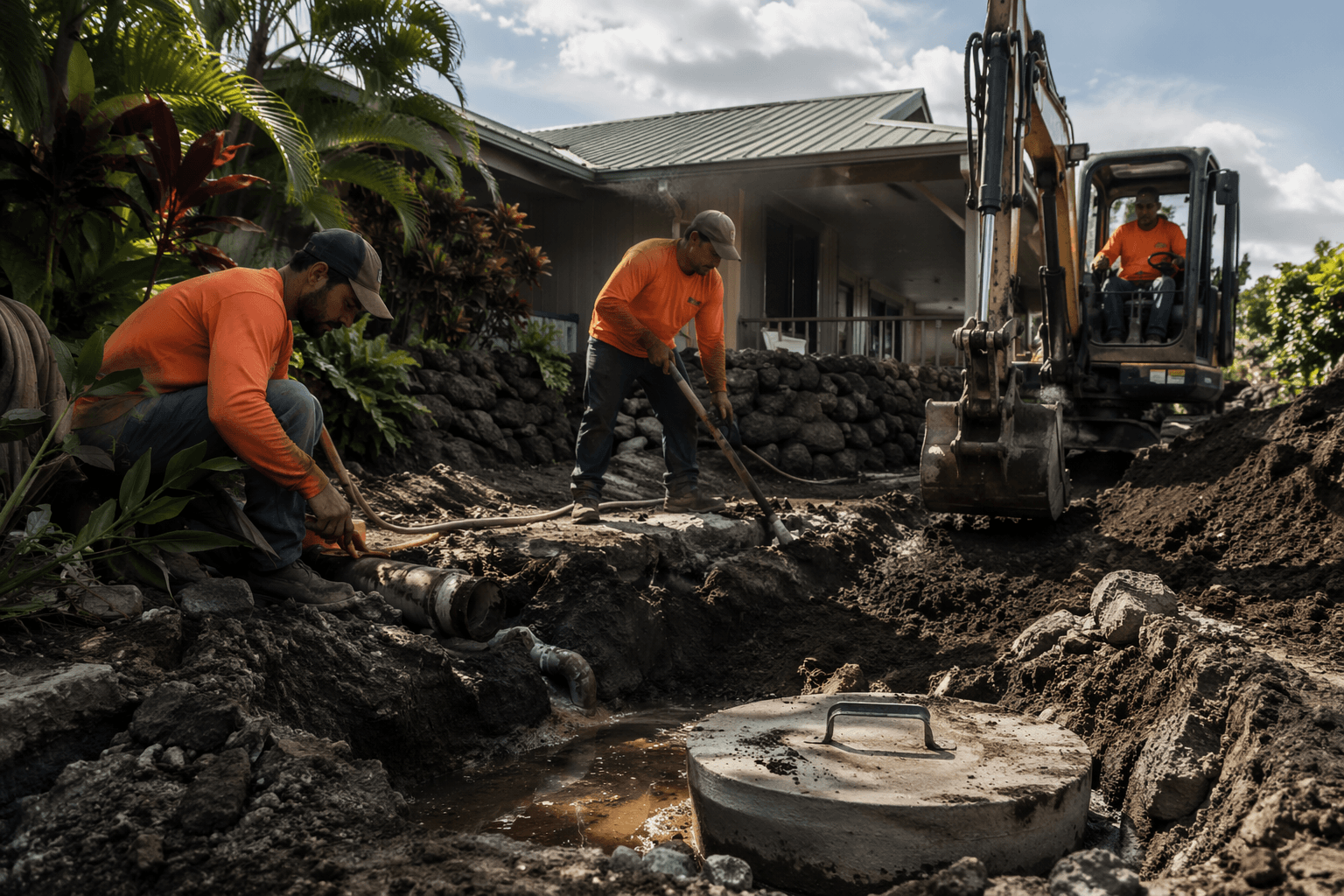
BIISC, the Hawaii Department of Agriculture and Biosecurity, the County of Hawaii, Hawaii Detection Dogs and other agencies are carrying out follow-up monitoring and putting out additional traps. County departments including Research and Development, Environmental Management, Public Works and Parks and Recreation are involved. Crews will survey mulch and green-waste areas near the airport over the next week, since unmanaged decomposing plant material can become a breeding ground.
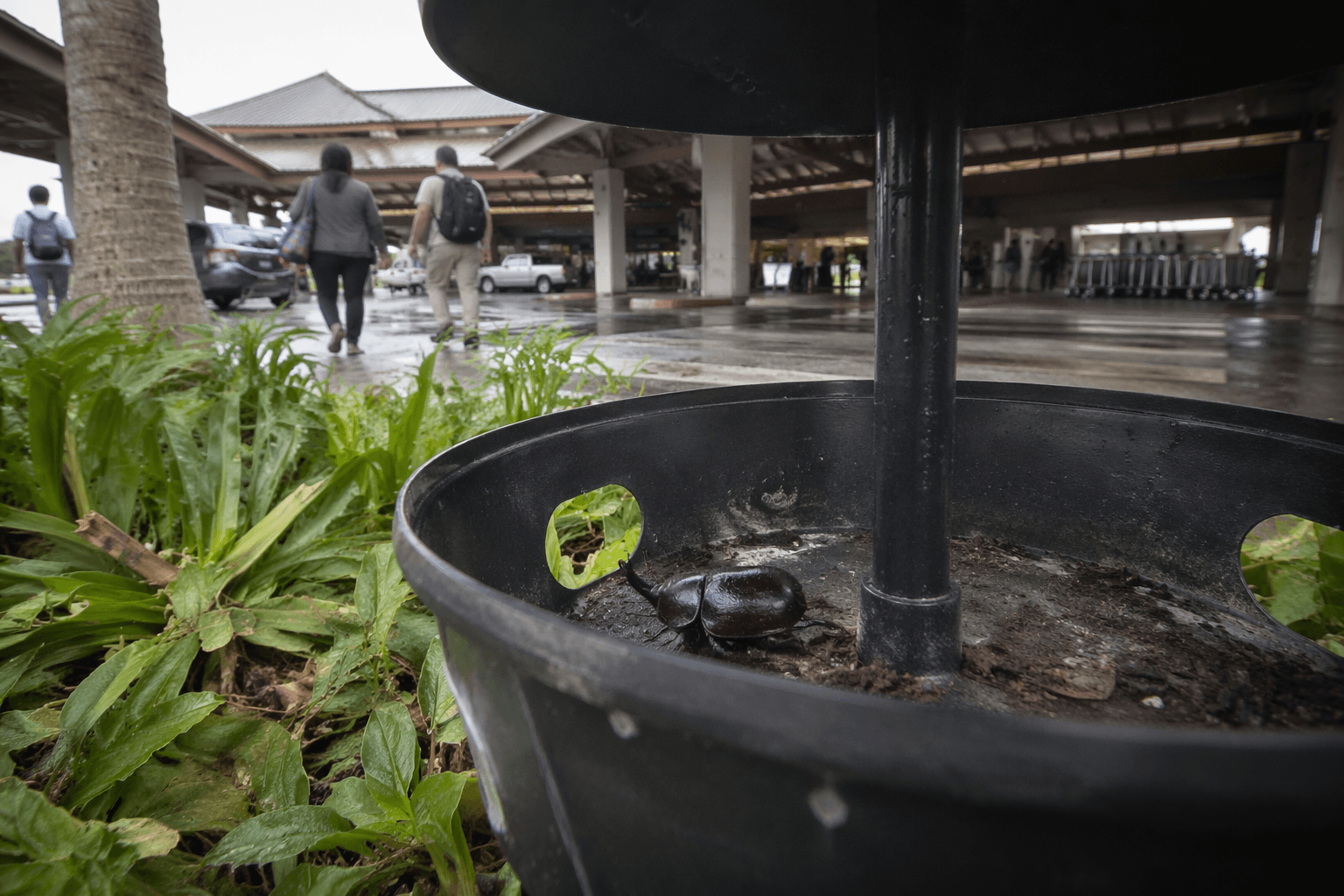
The Hawaii Invasive Species Council’s Ports of Entry Monitoring program has been used by BIISC at island harbors and airports since 2017. The program now covers six major airports and six harbors statewide and targets coconut rhinoceros beetles, Japanese beetles, Africanized honeybees, mosquitoes and invasive ants. BIISC says the state still sees an average of 20 new insect species establish themselves each year, and about half are already known pests elsewhere.
Coconut rhinoceros beetles bore into the crowns of palm trees, damage fronds and can eventually kill coconut, date, native loulu palms, hala and banana. Their larvae can live for nearly 10 months in mulch, compost piles and decaying stumps, and BIISC says mulch that cools below 115 degrees becomes ideal habitat. BIISC says a dead adult may still feed for about 42 days.
State officials first found coconut rhinoceros beetles in Hawaii in 2013 at Joint Base Pearl Harbor-Hickam. On Hawaii Island, another detection came in North Kona in March 2025, but an established population has not been confirmed. Interim Rule 26-1, approved March 24 and posted April 17, restricts movement of host materials, including mulch, trimmings, wood chips, compost and certain live plants, within the designated infested area bounded generally by Waikōloa Road, Highway 190, Laaloa Avenue and Highway 11 unless they move under permit or compliance agreement. Similar detections this year occurred at Kahului Airport and in Waikapū on Maui.
This article was produced by Prism’s automated news system from verified source data, official records, and press releases, then run through automated quality and moderation checks before publishing. The system is built and supervised by the people who set the standards it runs under. Read our full AI policy.
Did this article answer your question?