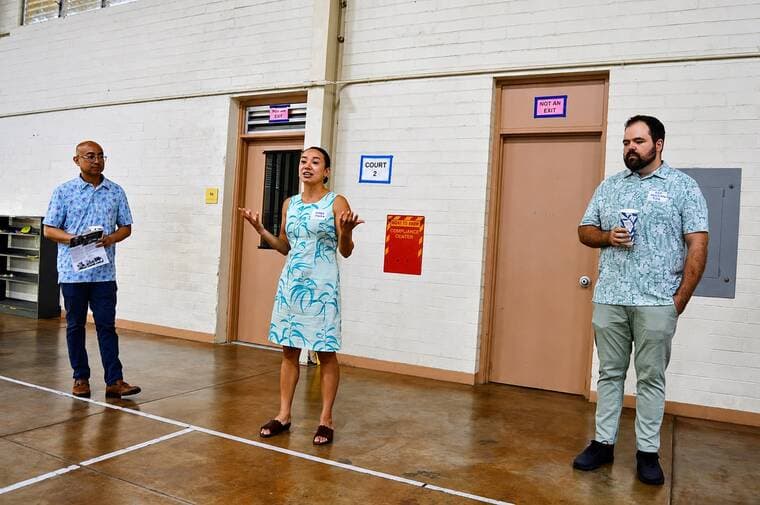
Green signs loan fund law to help Hawaii homeowners replace cesspools
A new $2 million loan fund may help Kona and other Big Island homeowners face $25,000-to-$50,000 cesspool bills, but it barely dents a $2.4 billion statewide problem.
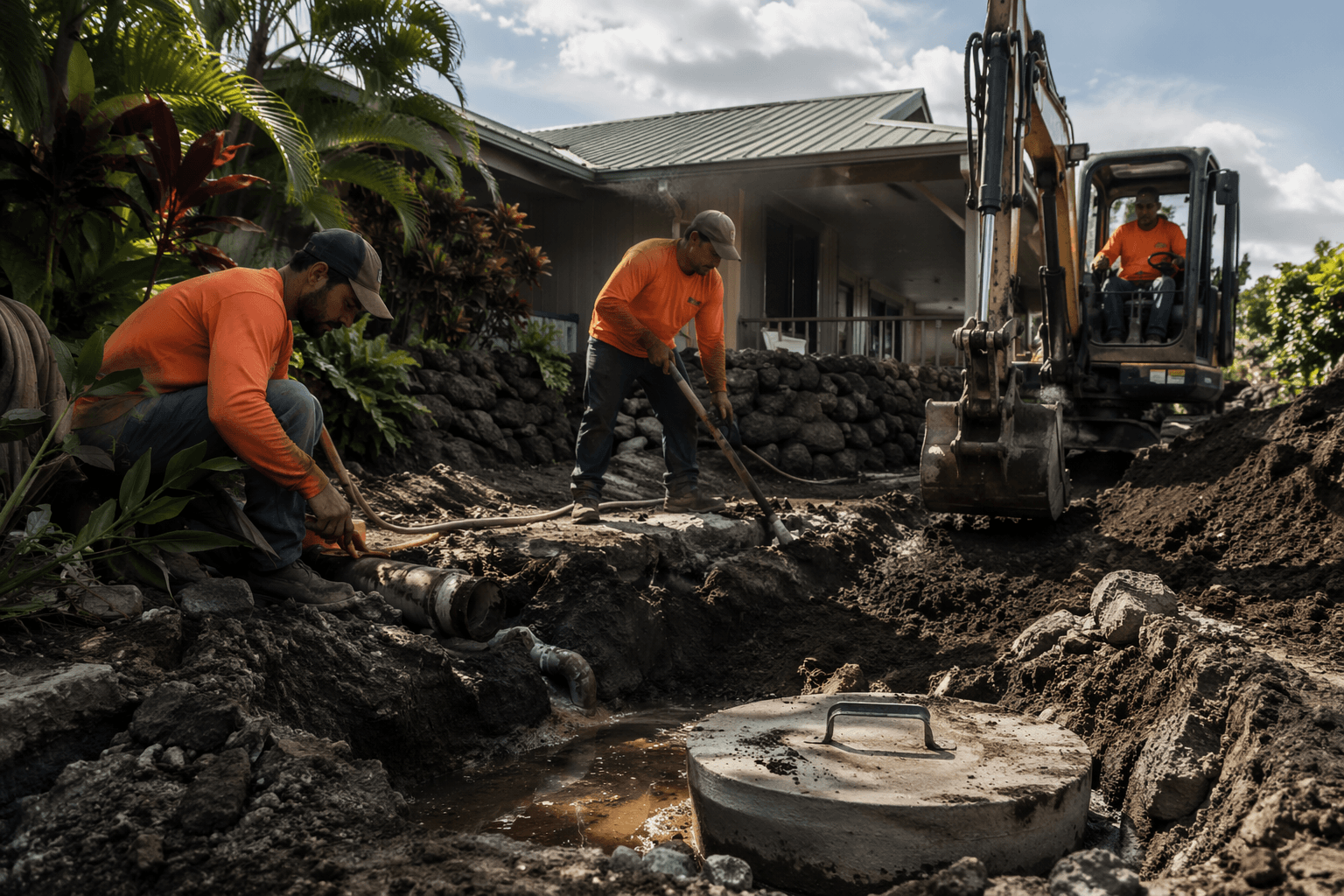
Gov. Josh Green signed Act 204 on July 9, creating a $2 million revolving loan fund to help homeowners pay for cesspool conversions, but the starter amount only scratches a problem officials put at at least $2.4 billion statewide. On Hawaii Island, where many neighborhoods still rely on cesspools, the new financing could be the difference between compliance and delay for families facing a bill that can run from $25,000 to $50,000 per home.
The law was built around low-interest loans for low- and moderate-income homeowners, with some borrowers potentially eligible for forgivable loans. It puts the Hawaii Green Infrastructure Authority in charge of the program and lets the Department of Health transfer money into it each year from the Water Pollution Control Revolving Fund under a memorandum of agreement. Counties can also work with the authority by adding principal and interest payments to water bills and passing the collections on to HGIA.
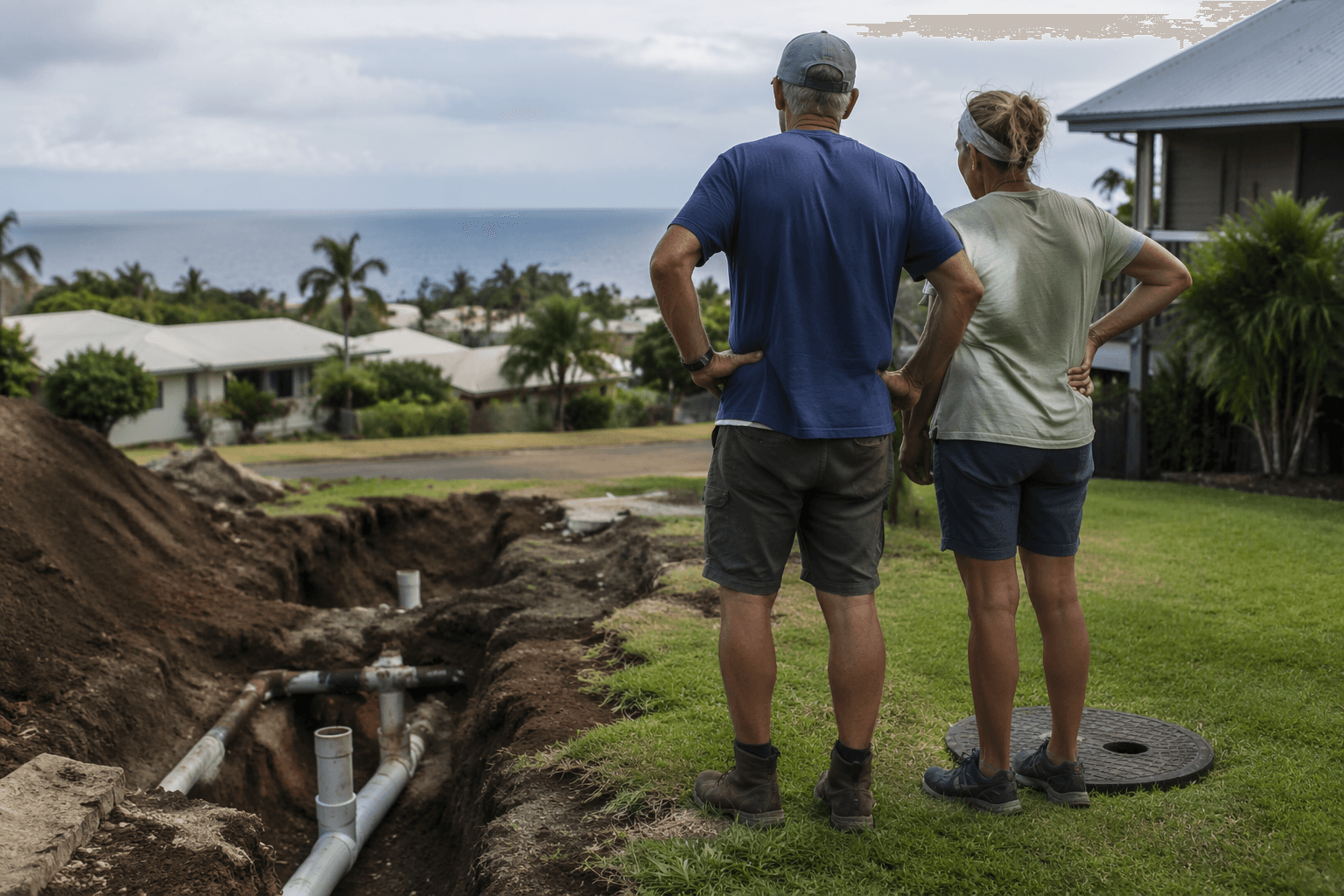
For Big Island residents, the timing matters because the state has already required cesspool replacement by Jan. 1, 2050 under Act 125, passed in 2017. State health officials say cesspools release about 53 million gallons of untreated sewage into the ground every day, a burden that reaches drinking water, reefs and general water quality. Hawaii Island is part of that problem: the County of Hawaii’s integrated wastewater management plan supports the transition and points back to the Act 125 prioritization framework for replacing the worst cesspools first.
The scale remains daunting. The Department of Hawaiian Home Lands says there are about 88,000 cesspools statewide, including roughly 2,500 on Hawaiian Home Lands. State lawmakers expanded replacement options in 2022 under Act 87 so property owners are not limited to sewer hookups and can also convert to approved wastewater systems. Even so, the initial $2 million allocation is modest against the number of homes that still need work. Hawaii Public Radio reported in June that the money would likely cover fewer than 100 conversions.
Green cast the measure as part of a broader environmental and infrastructure push, arguing that cesspools damage land and reef because untreated waste eventually reaches the ocean. He said the state cannot realistically meet the 2050 deadline without a much larger, better-funded effort, which leaves Act 204 as a financing tool rather than a full solution. For Kona and the rest of Hawaii Island, the immediate question is whether HGIA can move fast enough to turn a signed law into loans, contractors and completed work before the deadline closes in.
This article was produced by Prism’s automated news system from verified source data, official records, and press releases, then run through automated quality and moderation checks before publishing. The system is built and supervised by the people who set the standards it runs under. Read our full AI policy.
Did this article answer your question?