Concerns rise over invasive beetle threatening Big Island plants
A dead female coconut rhinoceros beetle turned up in a Hilo International Airport trap, raising the risk of damage to palms in North Kona, West Hawaii and backyards across the island.
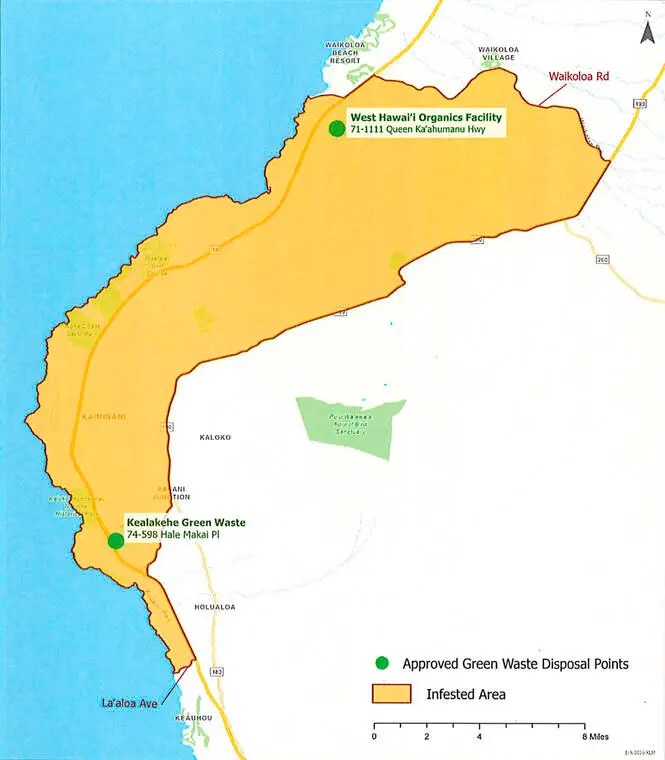
A dead female adult coconut rhinoceros beetle turned up in a detection trap at Hilo International Airport, a finding that puts one of Hawaii Island’s most destructive palm pests back in the spotlight. Staff from the Big Island Invasive Species Committee found the beetle in the airport trap, and officials have monitored traps at island harbors and airports since 2017 through the Hawaii Invasive Species Council’s Ports of Entry Monitoring program.
The beetle, known as Oryctes rhinoceros, is a severe threat to palm trees in Hawaii, including coconut, date and native loulu palms. BIISC says the pest was already detected in North Kona in March 2025, and the island has since seen a series of containment actions as managers try to keep it from spreading into more neighborhoods, farm edges and commercial landscapes.
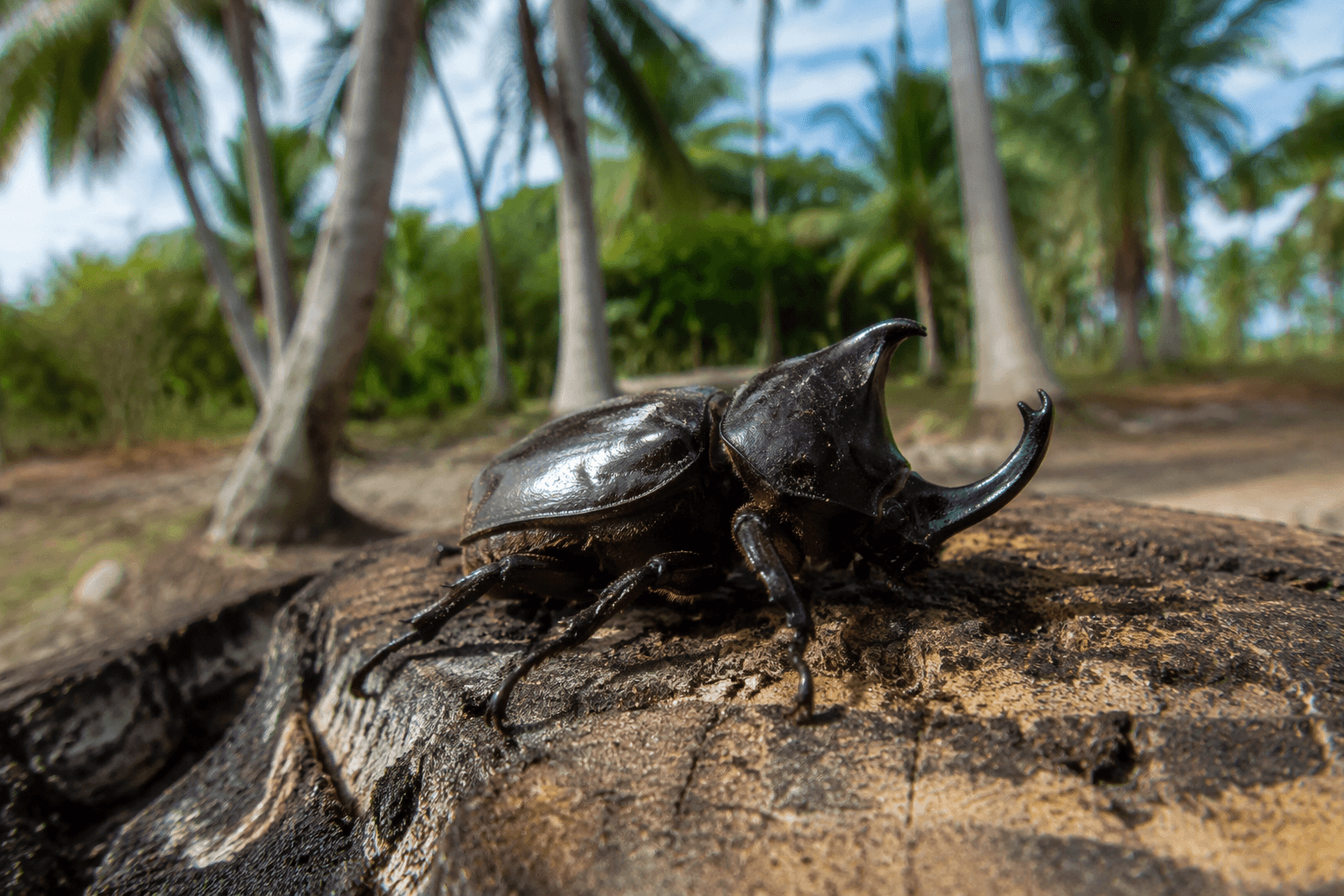
For Big Island households and businesses, the biggest risk is not just a damaged tree but the cost of replacing it and the work needed to keep the pest from moving through planted areas. Palm damage can show up in yards, roadside plantings, nurseries and public spaces from Kona to Hilo, and the beetle can cut into the green canopy that shapes property values and the island’s visual landscape. BIISC asks residents to report CRB or suspect palm damage, including holes in young fronds, V-shaped cuts on new leaves, a damaged crown and frass, the powder-like waste beetles leave behind in the crown.

State and county response has already moved beyond early warnings. The Department of Land and Natural Resources said on July 8, 2025, that two CRB breeding sites were found on Hawaii Island. A July 3, 2026 state update then restricted movement of CRB host materials on Hawaii Island, while Hawaii County’s voluntary compliance order for CRB host materials in West Hawaii was first put in place in June 2025 and later extended. Those controls matter because palm waste, yard debris and other host material can help the beetle spread if it is moved without care.
The pressure is not isolated to one pest. Hawaii Tribune-Herald reported on May 26, 2026 that entomopathogenic nematodes are being used against the Queensland longhorn beetle on Hawaii Island, another invasive insect already affecting farmers. On Maui, a single adult coconut rhinoceros beetle was also detected near Kahului Airport in April 2026, showing how quickly port-of-entry detections can become islandwide biosecurity concerns if they are missed.
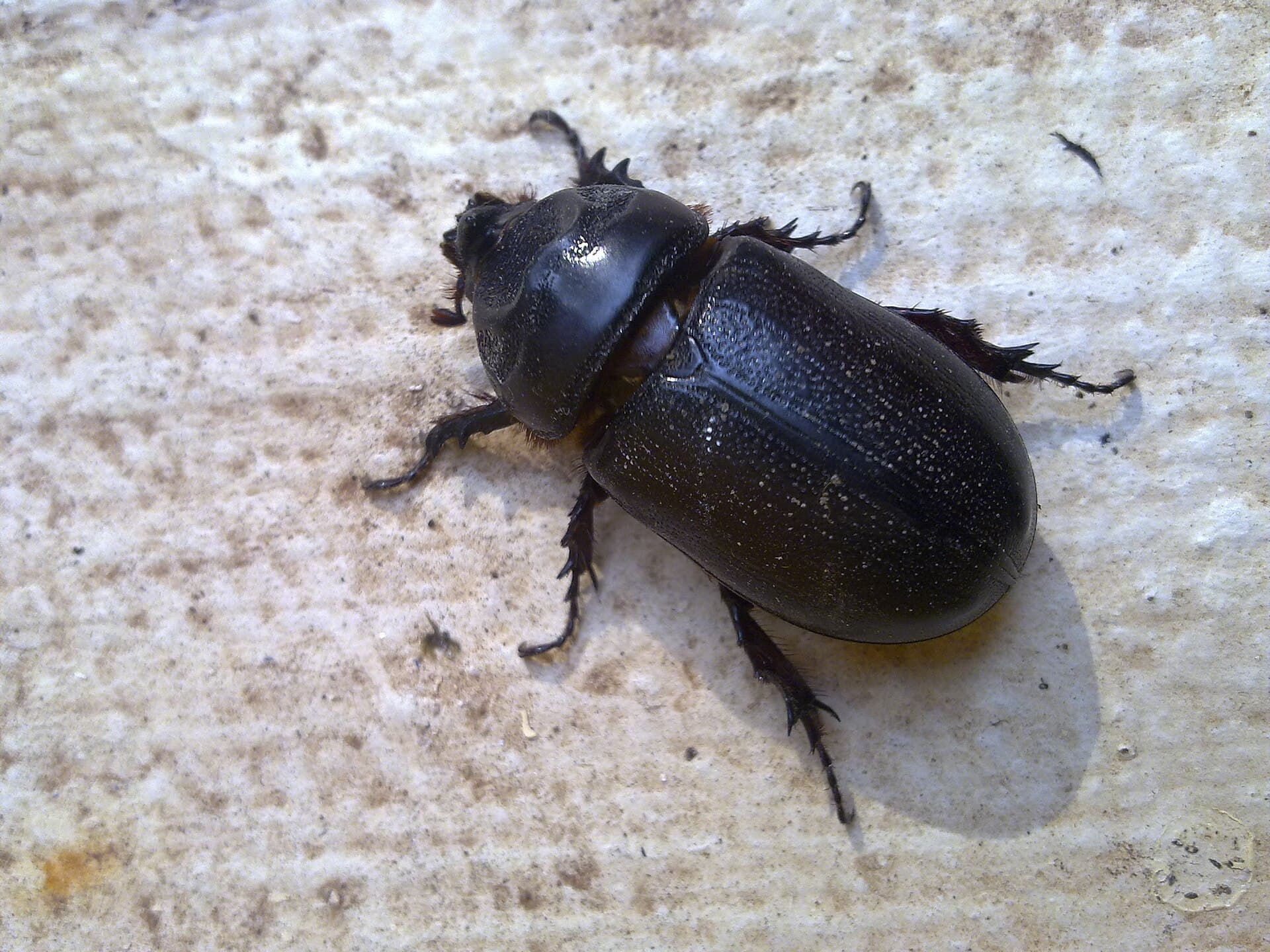
With a beetle now showing up in a trap at Hilo International Airport and known detections already tied to North Kona, the focus on Hawaii Island remains the same: find it early, report it fast and keep host material from becoming the next breeding site.
This article was produced by Prism’s automated news system from verified source data, official records, and press releases, then run through automated quality and moderation checks before publishing. The system is built and supervised by the people who set the standards it runs under. Read our full AI policy.
Did this article answer your question?