County Bans Feeding Feral Animals on Public Property, Protects Nēnē
Hawaii County lawmakers approved a law banning the feeding of feral animals on county property, a measure aimed at protecting endangered native species such as the nēnē goose. The law will take effect January 1, 2026, and matters to residents because it changes where community members may feed animals, and it seeks to reduce threats from predators and parasites that affect local land and marine wildlife.
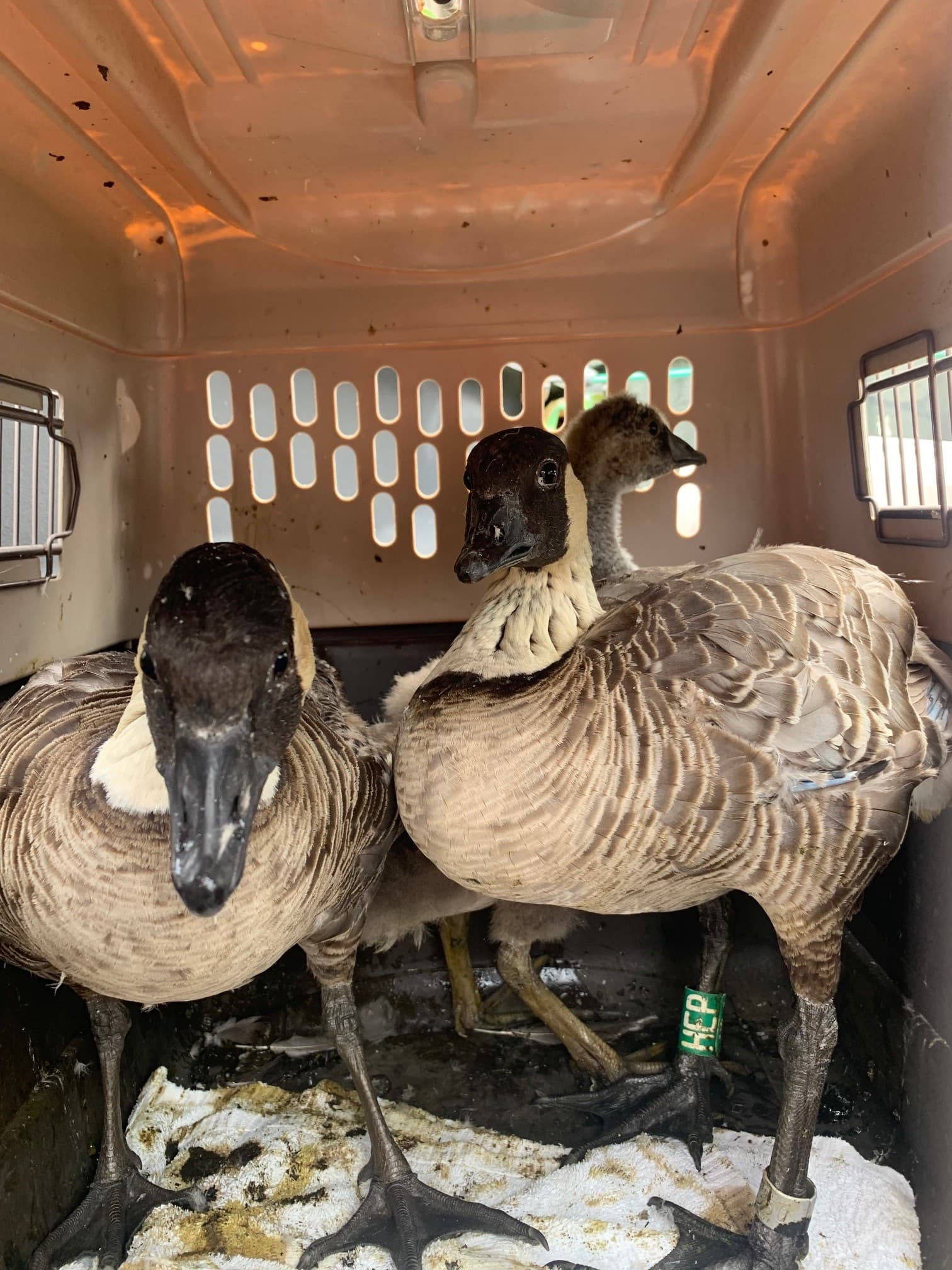
Hawaii County moved this month to prohibit feeding feral animals on county property as part of an effort to shield vulnerable native species. The County Council approved the measure by a 6 to 2 vote that was veto proof, and Mayor Kimo Alameda allowed the ordinance to take effect without his signature. The law will begin January 1, 2026.
Officials crafted the ban in response to conservation concerns about human supported feral cat colonies and their impacts on native fauna. Conservationists and state wildlife biologists point to direct predation on birds and other small animals, the attraction of native species into human used areas, and the spread of the parasite Toxoplasma gondii which has been linked to deaths in marine mammals and seabirds. The county named the endangered nēnē goose among species the law is intended to protect.
The ordinance applies specifically to county property. County sources cited penalties that include fines reported up to fifty dollars for a first offense, with higher fines for repeat violations. Enforcement is likely to be limited in practice, because the mayor urged police to treat enforcement as a low priority, a stance that could shape how the rule is applied in parks, beaches, and other public lands.

The measure drew local opposition from longtime feeders who said the ban could drive feeding underground and increase suffering or hunting by hungry cats. At the same time state wildlife biologists supported the restriction, emphasizing that Hawaii’s ecosystems evolved largely without mammalian predators and are therefore unusually fragile.
For residents the change will be most consequential in public spaces where animals have been regularly fed. Property boundaries will determine where feeding is allowed, and community members who care for feral cats or feed birds will need to rethink practices on county lands. The ordinance reflects a broader tension in island conservation between human compassion for animals and the need to protect native species that face extinction without stronger local protections.
Know something we missed? Have a correction or additional information?
Submit a Tip

