Direct Relief Ships $232,000 in Medical Aid to Hawaiʻi Storm Communities
Direct Relief delivered 5,500 lbs of medical supplies and 50,000 medication doses to Hawaiʻi storm communities, with the Big Island among recipients after March's historic Kona low.

Direct Relief shipped more than $232,000 in medical aid to communities across Hawaiʻi following the March Kona low storms, delivering roughly 5,500 pounds of medical supplies and more than 50,000 defined daily doses of medications to community health centers and partner nonprofits on Oʻahu, Maui, Molokaʻi and the Big Island.
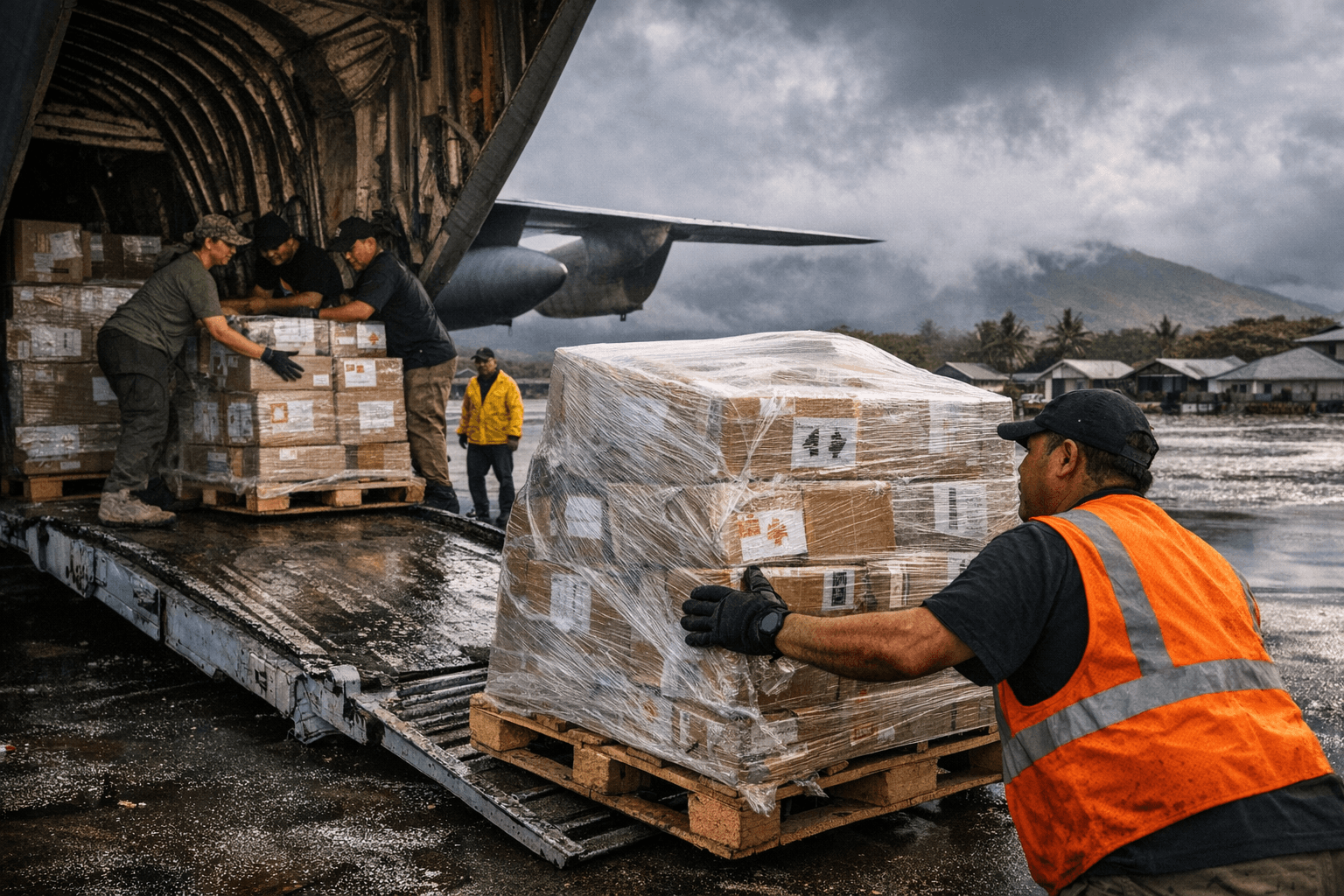
The U.S.-based medical nonprofit coordinated with mobile clinics and community partners to address immediate health risks tied to flooding and contaminated water. Named recipients included Waimānalo Health Center, Molokaʻi Ohana Health Care, Waianae Coast Comprehensive Health Center, the Hawaiʻi HOME Project and Community Clinic of Maui. Direct Relief also committed $25,000 to the Healthy Mothers Healthy Babies Coalition of Hawaiʻi and arranged emergency airlift support to Molokaʻi, where access by conventional transport was severely limited in the storm's wake.
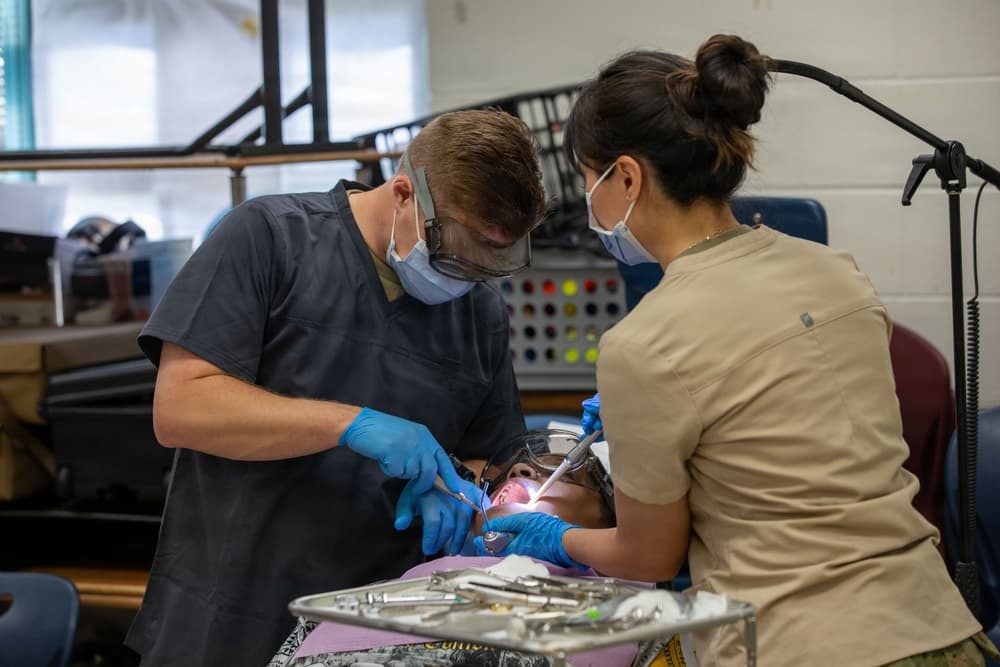
On the Big Island, hurricane-force gusts and localized severe flooding disrupted healthcare access through road damage, power outages and facility impacts. The shipments were calibrated for that reality: supplies suited for primary care outreach and mobile-clinic operations, targeting residents with chronic illnesses, expectant mothers and children for whom a days-long medication lapse can escalate into a medical emergency. Mobile teams are also reaching persons experiencing homelessness, a population routinely cut off from care even before a disaster compounds the barriers.
By funneling resources through community health centers and street-medicine partners rather than hospital systems, Direct Relief aimed to reduce strain on emergency departments while local pharmacies and clinics remained compromised. For the Big Island's rural and remote communities, where the nearest clinic can already be an hour's drive under normal conditions, that mobile-outreach infrastructure represents the fastest path back to basic primary care after a storm.
The response makes clear that national NGOs are actively supplementing local relief, but the scale of the March storms means sustained funding, volunteer capacity and long-term investment in resilient healthcare infrastructure will still be needed across the affected islands.
This article was produced by Prism’s automated news system from verified source data, official records, and press releases, then run through automated quality and moderation checks before publishing. The system is built and supervised by the people who set the standards it runs under. Read our full AI policy.
Did this article answer your question?