Federal marijuana reclassification boosts Tarnas’s push for Hawaii legalization vote
A federal Schedule III shift could ease banking, research and investor concerns for Hawaii Island cannabis businesses, even as adult-use legalization still needs voters and lawmakers.

A federal marijuana reclassification will not legalize recreational cannabis, but it could change the business climate for Hawaii Island dispensaries and give Rep. David Tarnas fresh leverage in his push to put adult-use legalization before voters.
On April 22, the Justice Department moved state-licensed medical marijuana and FDA-approved marijuana products from Schedule I to Schedule III. The department said the action recognized the long-standing regulation of medical marijuana by state governments. It also left marijuana federally illegal and kept non-medical marijuana subject to federal penalties.
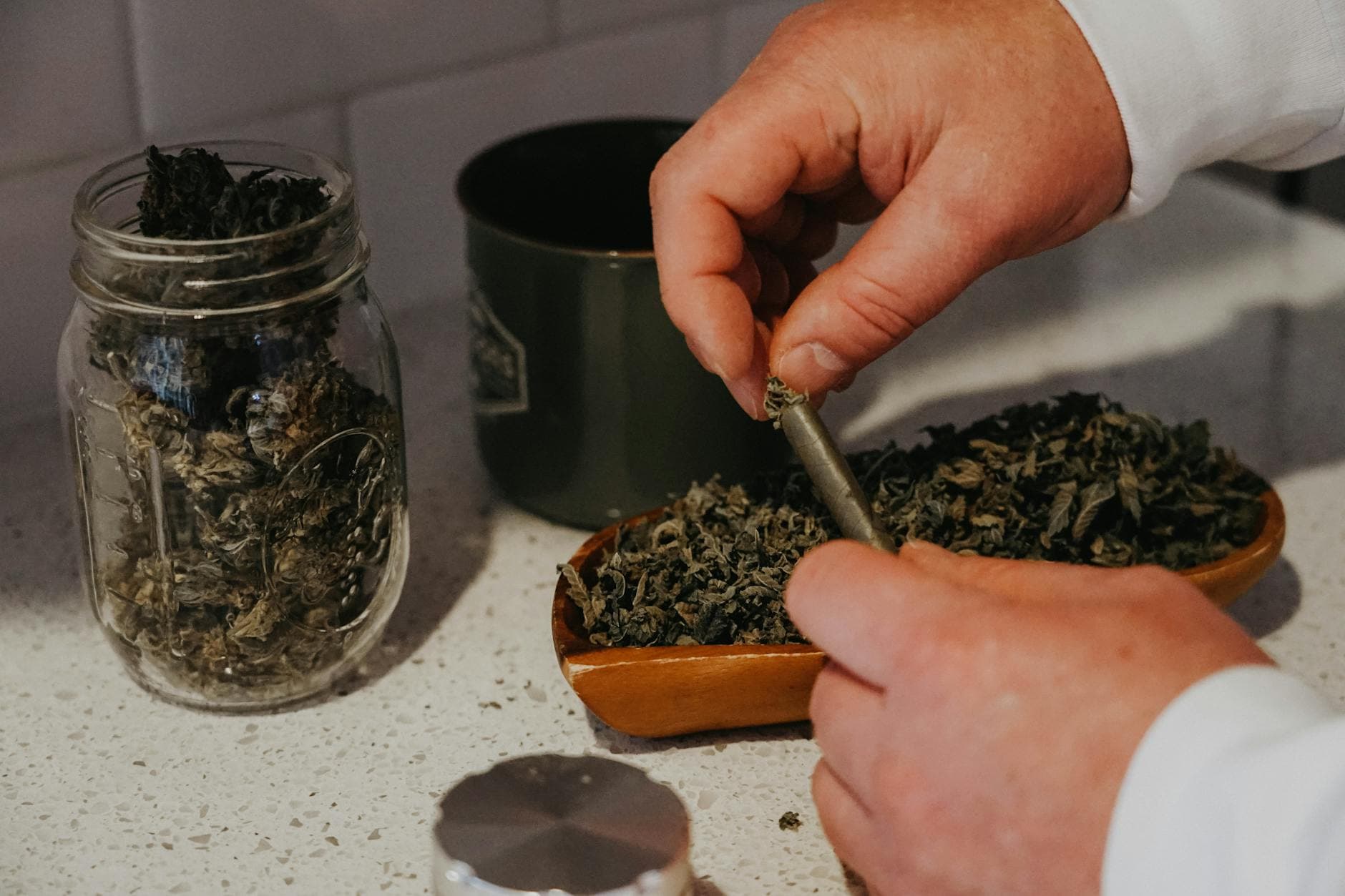
For licensed operators, the change matters because Schedule III is less restrictive than Schedule I. That can ease research barriers and may improve banking and tax conditions for marijuana businesses that have long operated in a gray zone, including dispensaries serving Hawaii County and the rest of Hawaii Island. Investors have watched those federal barriers closely because easier access to financing and a clearer federal risk profile can affect expansion plans, valuations and day-to-day compliance costs.
The shift strengthens Tarnas, who represents Hawi-Waimea-Waikoloa and chairs the House Committee on Judiciary and Hawaiian Affairs. He has spent years trying to legalize adult-use cannabis in Hawaii, and his latest proposal, House Bill 1624, would ask voters in November whether to amend the state constitution to allow recreational use. Under Hawaii’s process, any constitutional amendment needs approval from two-thirds of the 76-member Legislature before it can reach the ballot.
That hurdle remains high. Hawaii lawmakers have repeatedly failed to pass adult-use legalization in recent sessions, even as the state decriminalized possession of three grams or less of cannabis in 2019, when then-Gov. David Ige allowed the bill to become law without his signature. The latest federal move does not change that political math, but it gives Tarnas another argument that Hawaii should modernize its cannabis rules instead of waiting for Washington.
The federal rescheduling effort has been moving since at least May 2024, when the Justice Department proposed shifting marijuana from Schedule I to Schedule III in line with the U.S. Department of Health and Human Services view that marijuana has a currently accepted medical use. Acting Attorney General Todd Blanche carried out the final order this week, placing both FDA-approved drug products containing marijuana and medicinal marijuana products tied to qualifying state licenses into Schedule III.
Reactions in Hawaii have been mixed. Some health officials have backed federal rescheduling, while Honolulu Prosecuting Attorney Steve Alm has opposed it on public-health grounds and warned it sends the wrong message to young people. For Hawaii Island’s cannabis market, the immediate effect is narrower than legalization, but the longer-term signal is clear: federal policy is inching closer to the regulated reality already operating in Hawaii, even if adult-use sales remain blocked until lawmakers, and possibly voters, say otherwise.
This article was produced by Prism’s automated news system from verified source data, official records, and press releases, then run through automated quality and moderation checks before publishing. The system is built and supervised by the people who set the standards it runs under. Read our full AI policy.
Did this article answer your question?