OHA meets D.C. leaders on Native Hawaiian cuts, military leases
Kaialii Kahele took OHA to Washington to fight Native Hawaiian funding cuts and press for answers on leases that could reshape Pōhakuloa and other Hawaii Island lands.
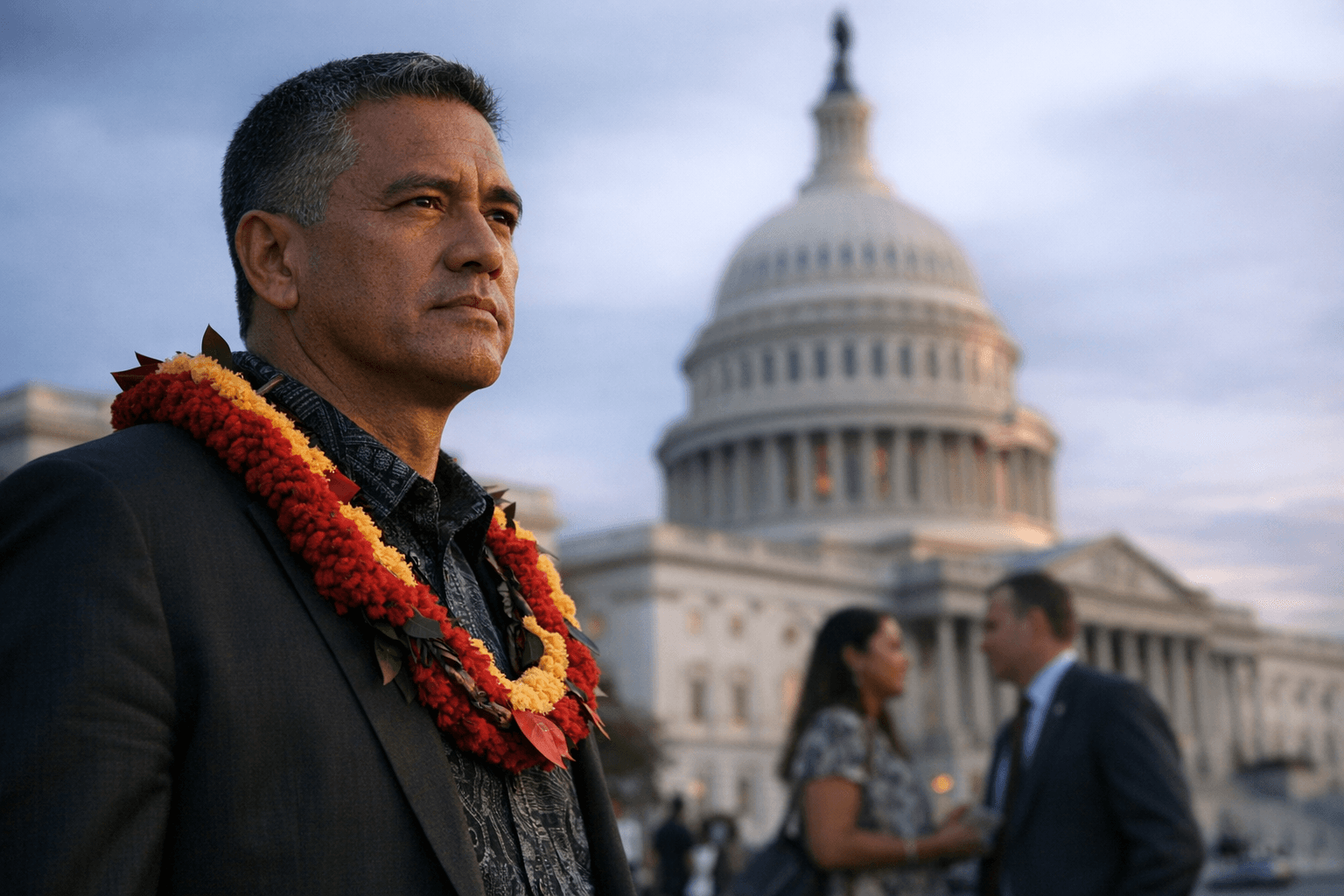
Kaialii Kahele led an Office of Hawaiian Affairs delegation to Washington, D.C., to press congressional leaders and Pentagon officials on two fights with direct stakes for Hawaii Island: proposed federal cuts to Native Hawaiian programs and the future of military leases on public trust lands.
The delegation included trustees Keoni Souza and Carmen “Hulu” Lindsey, Interim Administrator and CEO Summer Sylva, and Associate General Counsel Rozelle Agag. OHA said the talks came as major military leases on Hawaii Public Land Trust lands are set to expire between 2028 and 2031, forcing decisions that could affect how land now used for training is managed for Native Hawaiian rights, environmental stewardship and national security.
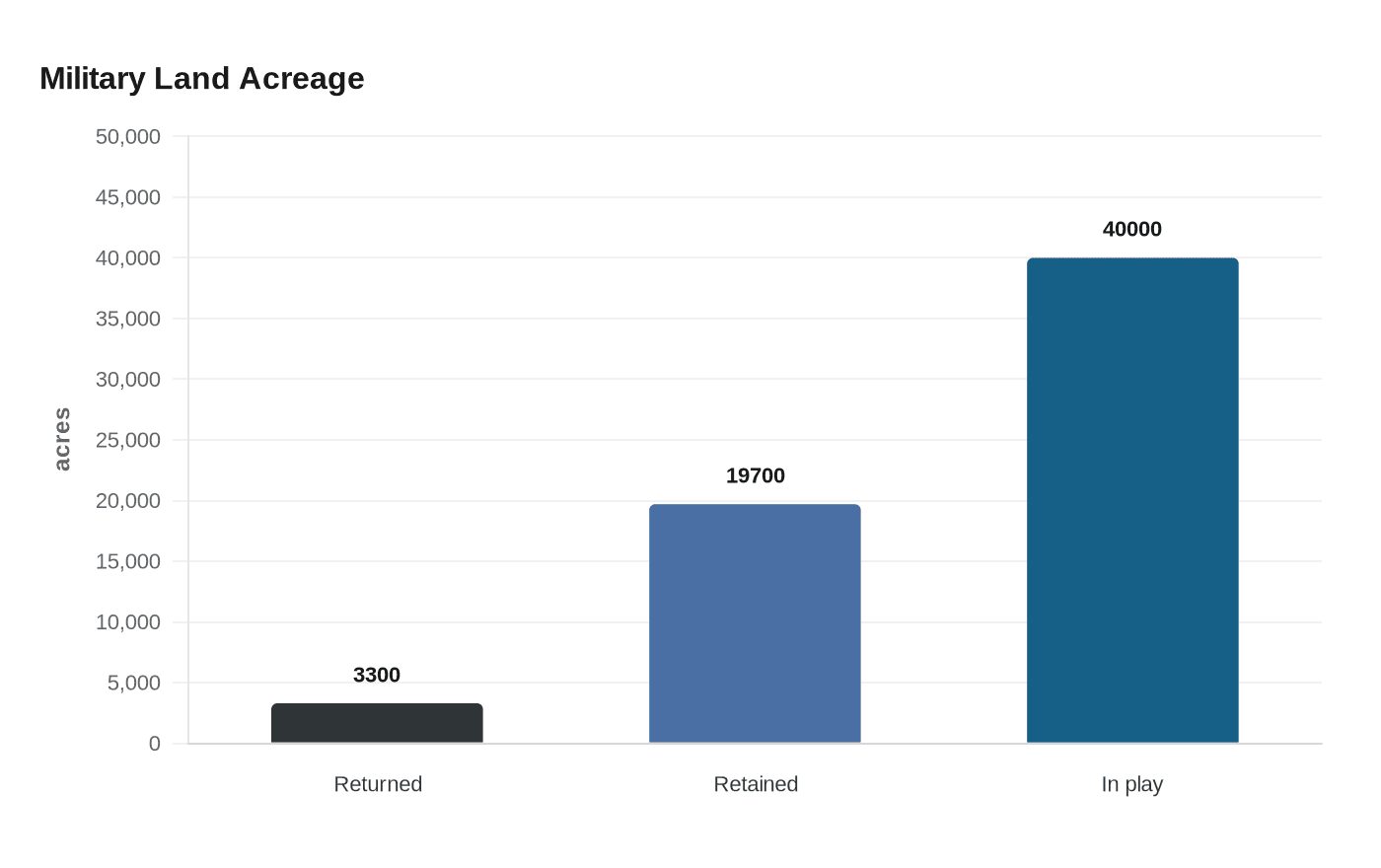
For Big Island residents, the sharpest pressure point is Pōhakuloa Training Area. The state Board of Land and Natural Resources rejected the Army’s final environmental impact statement on May 9, 2025, after the Army said it would seek to return nearly 3,300 acres while retaining 19,700 acres for training. Across the broader statewide debate, nearly 40,000 acres of state lands used for military training at Pōhakuloa, Mākua, Kahuku and other sites are in play, with leases set to expire in 2029 in the wider discussion.
OHA has been building its position for months. Its board created a Permitted Interaction Group on Dec. 18, 2025, approved a $500,000 appropriation on Feb. 4, 2026, and sent a letter from Kahele to Army Secretary Daniel P. Driscoll on Feb. 26, 2026, asking for a formal meeting. After the Army said it would engage OHA through the governor’s advisory committee, OHA’s military-leased-lands group and its 14-member Technical Advisory Group asked Gov. Josh Green on April 8 to support coordinated engagement with the Army.
The land dispute is tied to larger questions about who controls trust lands that OHA says were once Crown and Government lands and are held under the Admissions Act for the benefit of Native Hawaiians and other public purposes. OHA’s public survey is asking residents whether they support a new military lease, a land exchange or condemnation or seizure by the United States.
Kahele also went to Washington to oppose proposed federal funding cuts to Native Hawaiian programs, including Native Hawaiian Health Scholarships. The House appropriations report for fiscal 2026 continues $27 million for the Native Hawaiian Health Care Program, with no less than $10 million for Papa Ola Lōkahi, the statewide Native Hawaiian health coordinating agency that Senate testimony describes as the sole entity responsible for coordinating Native Hawaiian health care services.
The lobbying effort comes as OHA begins its own fiscal 2026-2027 budget cycle and has launched new support for Native Hawaiian farmers through the Mahiai Micro Fund Program. For Hawaii Island families, the question is whether Washington decisions will preserve health, education and land use tools or narrow them just as lease deadlines and funding fights draw closer.
This article was produced by Prism’s automated news system from verified source data, official records, and press releases, then run through automated quality and moderation checks before publishing. The system is built and supervised by the people who set the standards it runs under. Read our full AI policy.
Did this article answer your question?