Food Basket plans $86 million Hilo campus to fight hunger
Hilo’s new $86 million Food Basket campus could add markets, storage and processing power to an island where more than 40% of households are food insecure.
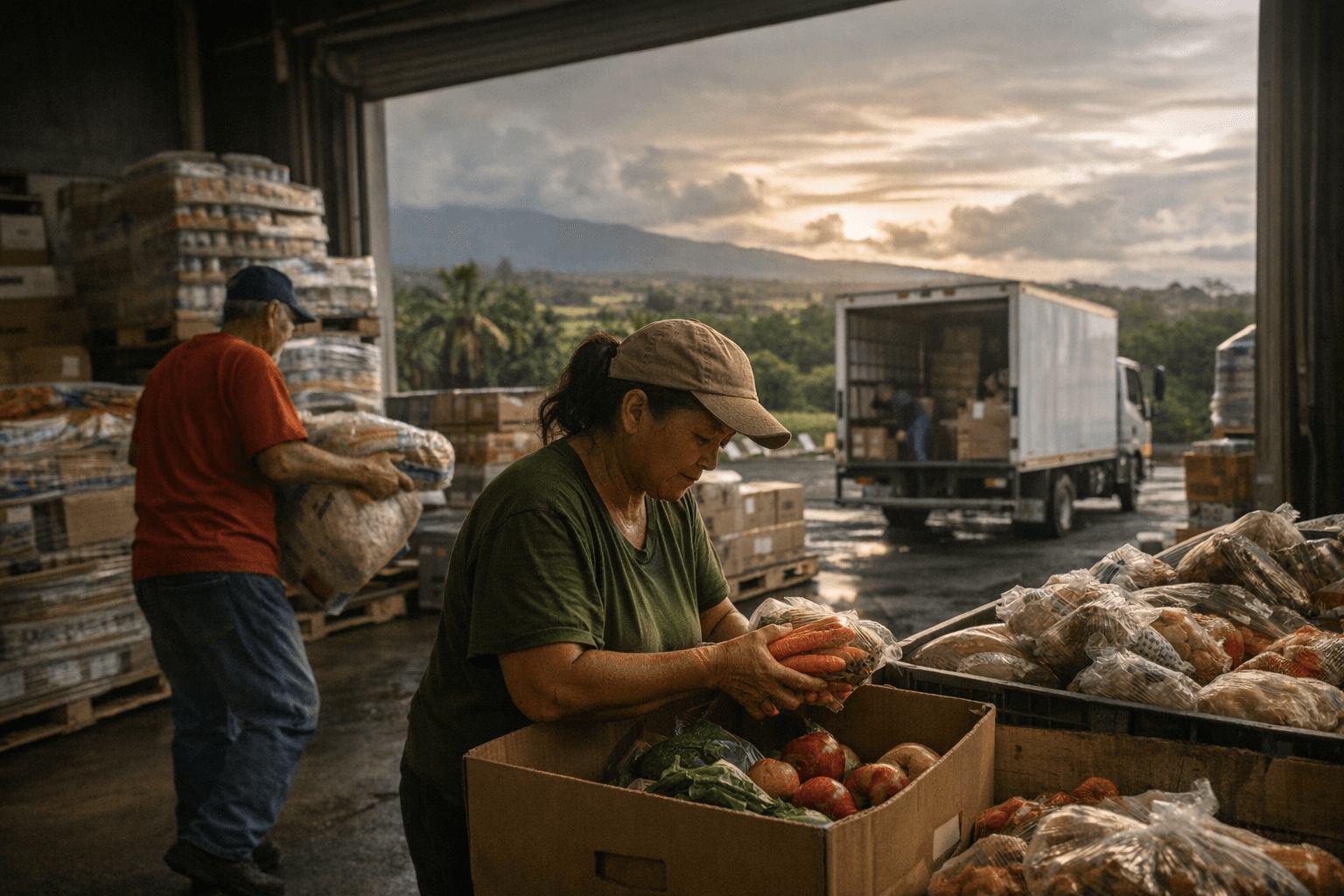
The Food Basket’s planned Hilo campus is being pitched as more than a building project. On a 24.5-acre parcel off Ponahawai Street, the nonprofit wants to create an agricultural hub that could change how food is grown, processed, stored and distributed across Hawaiʻi Island.
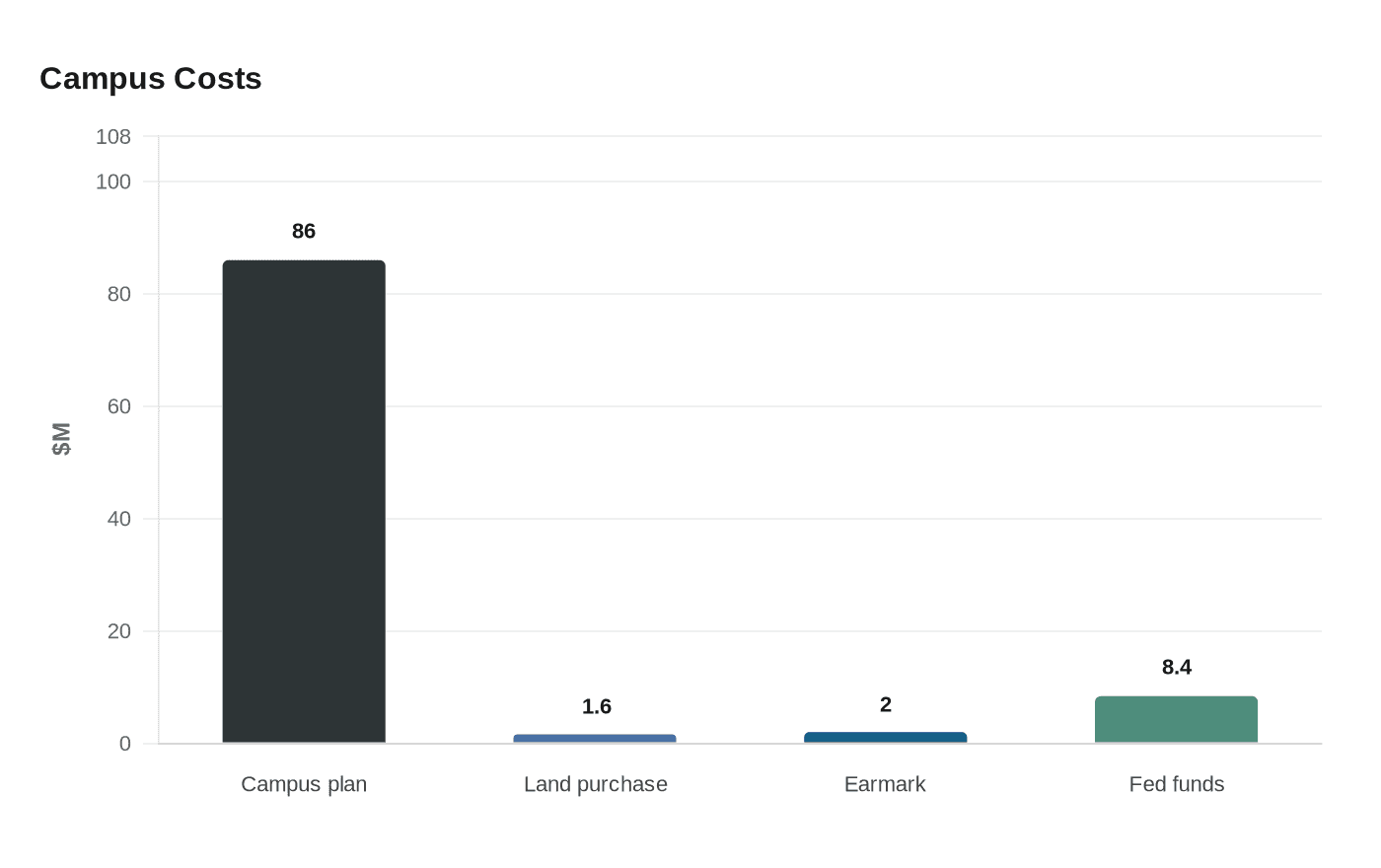
The $86 million Hoolako campus is planned on former sugarcane land the organization bought from Suisan in 2022 for $1.6 million. The site has since been cleared, grubbed, rezoned and moved through environmental review, setting up a long-range buildout that The Food Basket says will include agricultural production and storage areas, value-added food manufacturing space, classrooms, offices, a food bank and a commercial kitchen capable of preparing meals at scale.
That scope matters on an island where hunger has become a stubborn economic problem. A 2024-2025 statewide food insecurity report found more than 40% of Hawaiʻi County households were food insecure, putting the Big Island among the hardest-hit counties in the state. The same report found 32% of all Hawaiʻi households were food insecure between mid-2024 and mid-2025, up from 29% in the prior report. The Food Basket has also reported a 25% increase in program use since 2022.
For Kristin Frost Albrecht and her team, the campus is meant to keep more food on island and build a supply chain that is less vulnerable to shipping delays, disaster disruptions and outside price swings. The organization says the campus is designed to support safe, nutritious, fair and affordable food while also creating land access and training opportunities for farmers who are trying to enter or expand in Hawaiʻi’s high-cost agriculture market.
The first piece of the project is a 7,000-square-foot open-air farmers’ market pavilion, funded by a $2 million federal earmark secured by U.S. Sen. Brian Schatz. The pavilion is expected to host grower-seller markets on Wednesdays and Sundays, with vendors vetted to make sure they actually grew the produce they sell. The first market is tentatively scheduled for May 3.
Justin Clayton, the project director, has said the grower-seller focus is meant to put farmers first and help customers connect directly with the people producing their food. The broader campus could create or sustain nearly 190 agricultural jobs, giving the Hilo site an economic role as well as a charitable one.
The Food Basket has also said it received $8.4 million in federal funds in late 2024, underscoring how the project has been assembled through multiple funding streams over several years. What began as a plan for an agricultural innovation park is now emerging as a piece of island infrastructure, with the potential to strengthen local food production, reduce dependence on imports and provide a more reliable response when the next emergency hits Hawaiʻi Island.
This article was produced by Prism’s automated news system from verified source data, official records, and press releases, then run through automated quality and moderation checks before publishing. The system is built and supervised by the people who set the standards it runs under. Read our full AI policy.
Did this article answer your question?