Gov. Green Keeps 2026 Tax Cuts, Pauses 2027-29 Cuts to Fund Services
Gov. Josh Green kept tax relief for 2026 but paused planned cuts for 2027-2029 to restore funds for food security, child care, housing and services vital to Big Island residents.
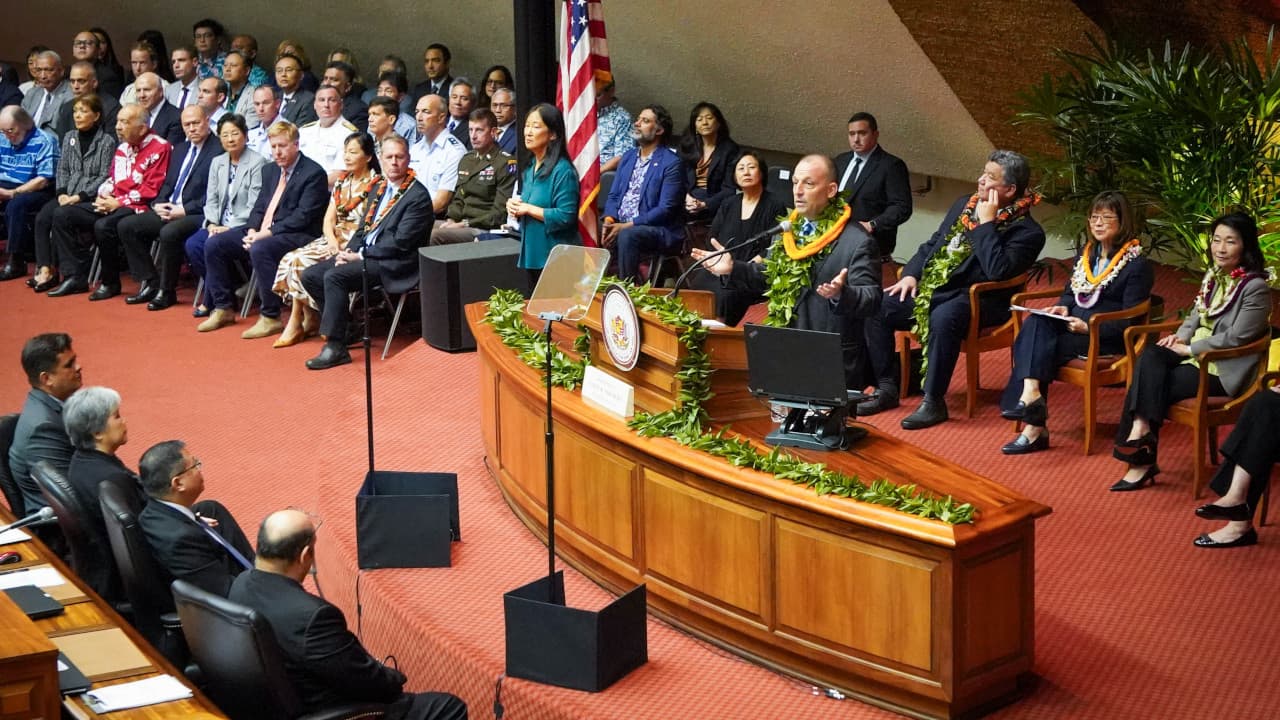
Gov. Josh Green used his Jan. 26 State of the State to preserve tax cuts already set for 2026 while pausing planned tax reductions scheduled for 2027 through 2029 to replenish the state budget after a recent fiscal shortfall. The move aims to protect programs for food security, child care, housing and care for kūpuna by restoring funding that would otherwise be lost to automatic tax reductions.
The governor framed the action as part of a broader package that highlighted recent accomplishments and forward steps. Gov. Josh Green pointed to enacted tax relief, accelerated housing approvals and food-security initiatives as groundwork, and proposed policy shifts including continued Sun Bucks summer food benefits, expansion of SNAP matching, and new investments to cut chronic homelessness and build affordable housing units. The address emphasized integrated approaches linking housing, behavioral health and kūpuna care as central to reducing long-term costs and improving outcomes.
For Big Island County residents the decision has immediate and tangible implications. Families and kupuna who benefit from Sun Bucks and expanded SNAP matching can expect support to continue into the coming year. Child care providers and working parents who rely on state subsidies and program funding will see services preserved for 2026, even as the promise of lower taxes in later years is deferred. Homelessness service providers and developers pursuing affordable units on the island are likely to compete for funds the governor has proposed prioritizing to cut chronic homelessness and speed affordable housing construction.
The budget pivot signals a trade-off between near-term tax relief and maintaining services that serve vulnerable populations and support the local economy. Preserving 2026 tax cuts stabilizes household finances now, while pausing 2027-2029 reductions helps protect state-operated and state-funded programs that Big Island nonprofits, clinics and county agencies depend on. Local officials in Hilo and Kona will need to monitor how state allocations flow to island projects, particularly for housing approvals that Gov. Josh Green said the administration would accelerate.
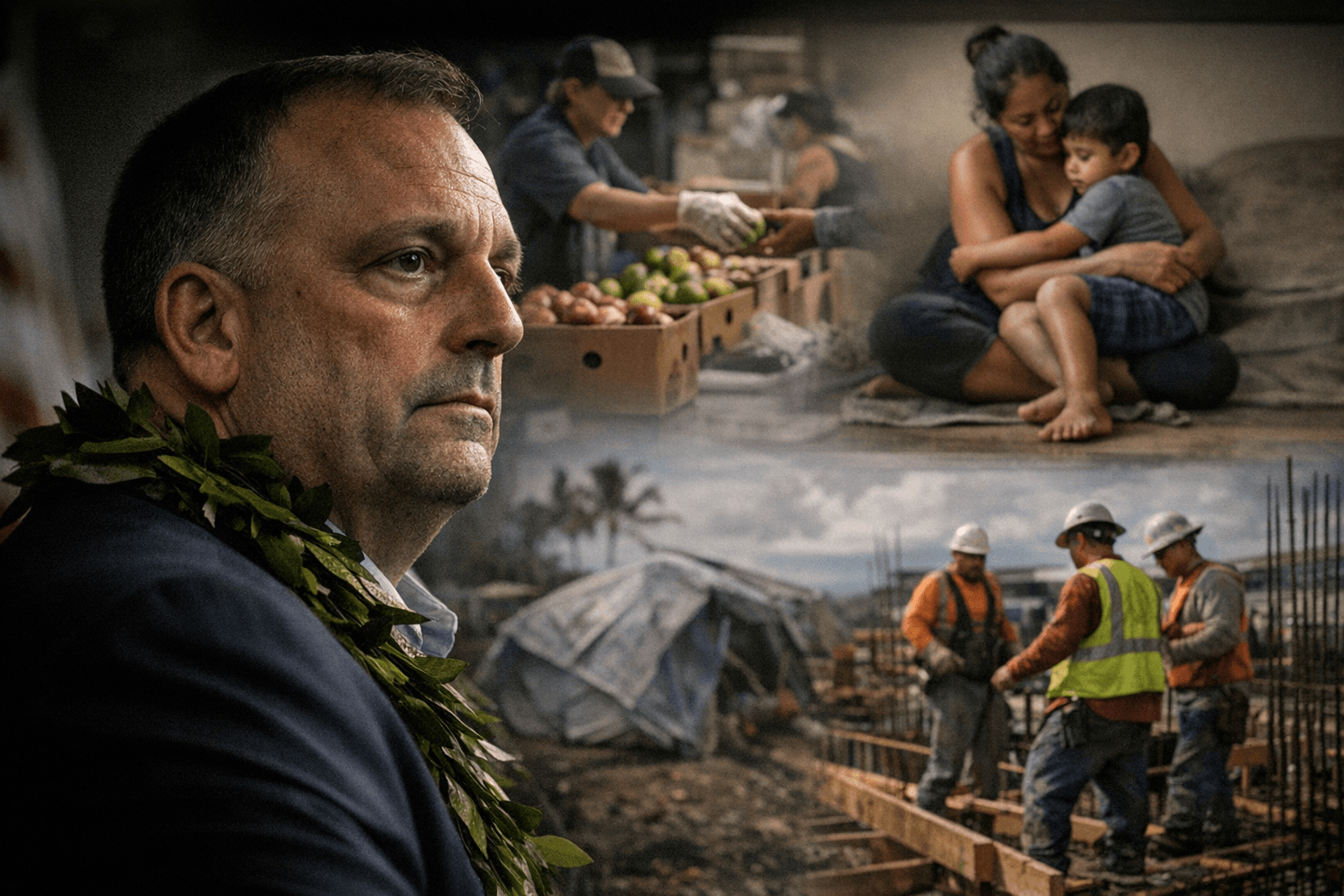
Political and fiscal consequences will play out during the legislative session, where lawmakers must weigh the governor’s proposals against competing priorities and revenue forecasts. The pause on future tax cuts leaves room in the budget to restore program funding lost to the shortfall, but it also postpones tax relief that some voters were expecting.
For residents, the immediate takeaway is stability for 2026 benefits and programs that affect daily life on the Big Island, paired with uncertainty about tax policy and funding beyond 2026. Expect legislative debate and budget negotiations over the coming weeks that will determine which programs receive sustained funding and how quickly housing and behavioral health initiatives advance.
This article was produced by Prism’s automated news system from verified source data, official records, and press releases, then run through automated quality and moderation checks before publishing. The system is built and supervised by the people who set the standards it runs under. Read our full AI policy.
Did this article answer your question?