Green Fee funding dilemma threatens Big Island projects amid $42M bonds
Gov. Josh Green’s administration proposed $126 million in Green Fee projects but plans to issue $42 million in bonds now, putting a $1 million Hōnaunau cesspool closure and other Big Island work at risk.
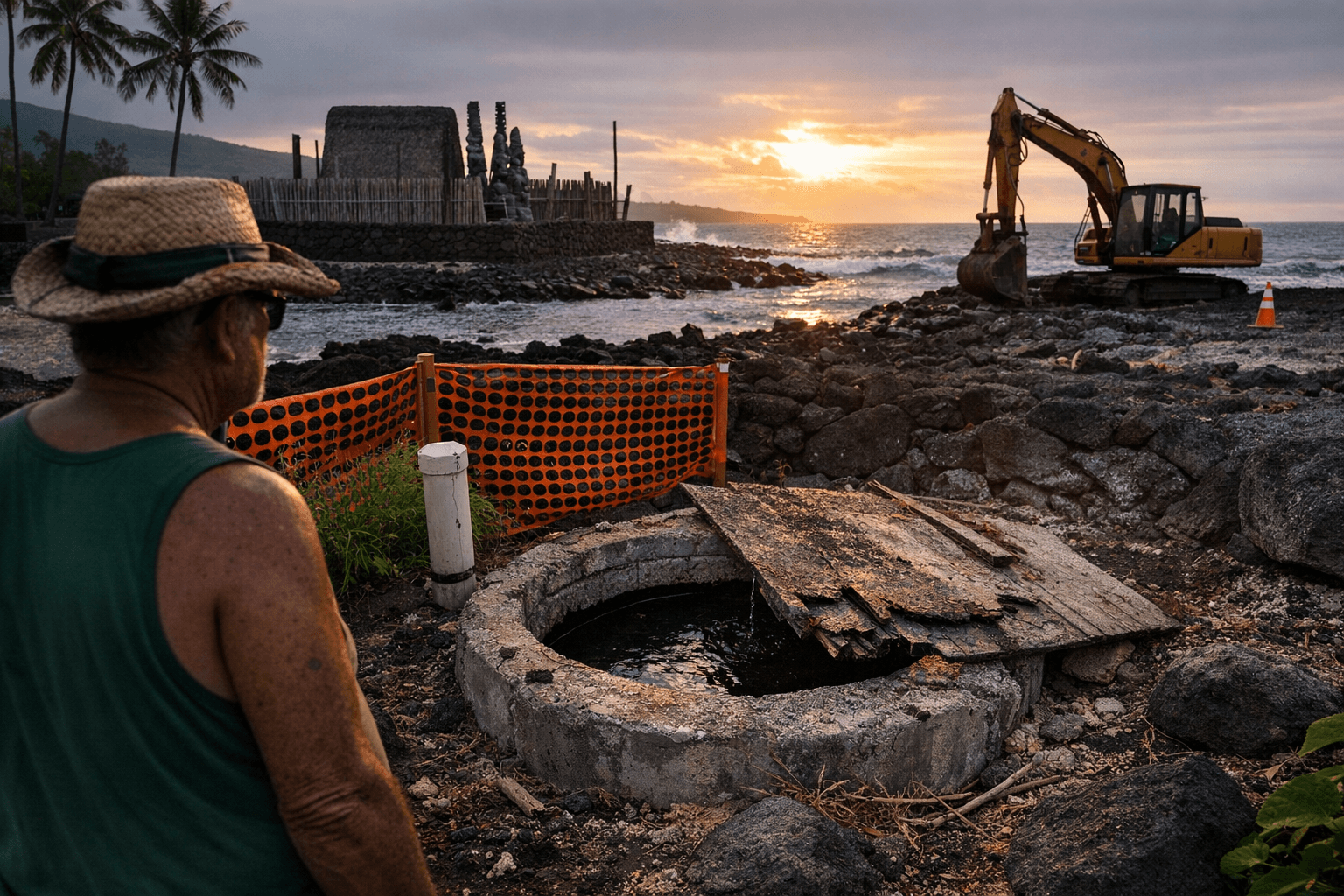
The administration on Wednesday proposed $126 million in projects that Gov. Josh Green intends to finance with revenue from the new Green Fee, yet it also plans to issue $42 million in bonds for green fee construction projects in this fiscal year, creating a funding dilemma for Big Island priorities such as a $1 million cesspool closure in Hōnaunau. Senators were surprised to learn last month about the $42 million borrowing plan and have expressed clear skepticism about mixing debt with a fee meant to pay for the projects.
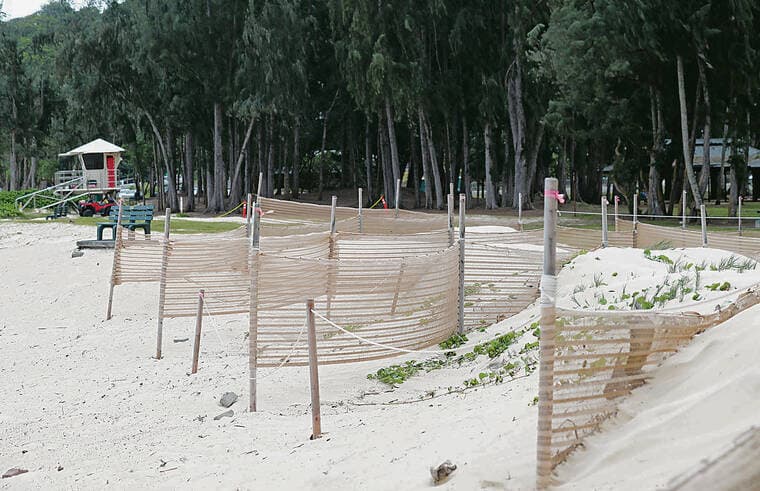
The $126 million package lists dozens of initiatives ranging from the $1 million Hōnaunau cesspool project to nearly $20 million in beach restoration work at Ala Moana, Waikīkī and in West Maui, although the administration has not provided a project-by-project breakdown of the nearly $20 million allocation. The state House and Senate will review the proposed initiatives in the months ahead and decide which specific projects will actually be funded; if approved, various state departments will be responsible to plan and execute the green fee initiatives.
Administrators defended borrowing as a timing and cash-flow tool. Nasir said borrowing gives state departments more time to spend the funds, “because money borrowed for construction projects can be carried over from one year to the next,” and asserted that “the total cost of the green fee projects including interest payments will stay within the total green fee collections.” That two-part financing approach - fee revenue as the ultimate payor and near-term bonds to fund construction - is central to the administration’s plan.
Legislative and political pushback has been immediate. Republican Sen. Kurt Fevella warned of public backlash, saying, “I'm going to tell you right now the community's not going to buy into that,” and arguing voters were told the green fee would directly pay for projects. Dela Cruz criticized the borrowing strategy as a “shell game that is hard to track,” reflecting a broader concern among senators who were “clearly skeptical” when the bond plan surfaced last month.
Local environmental groups and some administrators stressed the complexity of launching the new program. Denise Antolini, president of Mālama Pūpūkea-Waimea, cautioned, “There's so many steps and it is a new process, so we need to remind ourselves that this is cracking the nut for the first time.” An administration official identified only as Lee said, “If we do that right, I think ultimately we're going to be able to see what we're willing to fund, where that money should go, and then how to build accountable systems so to be able to track that as we invest.”
Broader financing realities help explain why borrowing was proposed: green projects often face regulatory hurdles, high initial costs and long return-on-investment periods, making upfront capital essential to start work such as beach restoration and cesspool closures. What remains unclear is the full list of the $126 million in initiatives, the breakdown of the nearly $20 million beach restorations, the legal mechanics and terms of the $42 million bond issuance, and the official identities and titles for Nasir, Dela Cruz and Lee.
With the House and Senate set to vet the administration’s proposed initiatives in the months ahead, decisions on whether to approve bond funding or insist on direct pay-as-you-go fee financing will determine whether Big Island projects like the Hōnaunau cesspool closure move forward on the timelines advocates expect and whether public confidence in the Green Fee remains intact.
Know something we missed? Have a correction or additional information?
Submit a Tip

