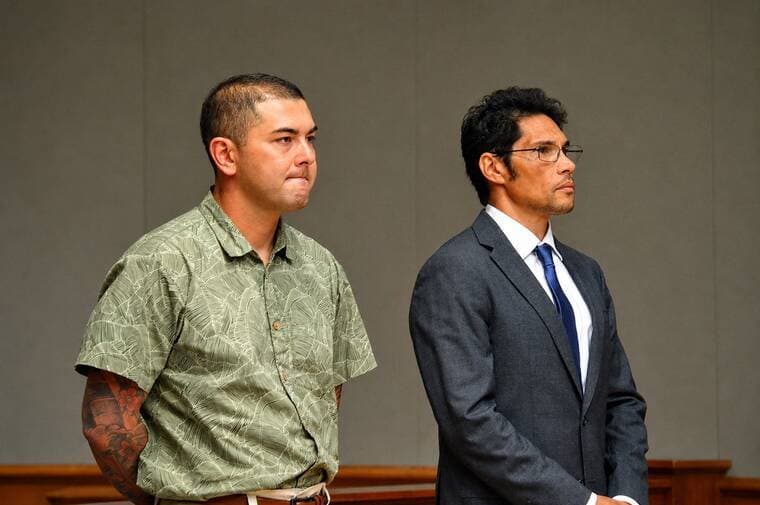
Hawaiʻi AG pilot clears thousands of Big Island arrest records
State pilot automatically expunged low-level non-conviction drug arrests for over 1,300 Big Island residents, aiming to reduce barriers to employment and housing. This could reshape local job and rental prospects.
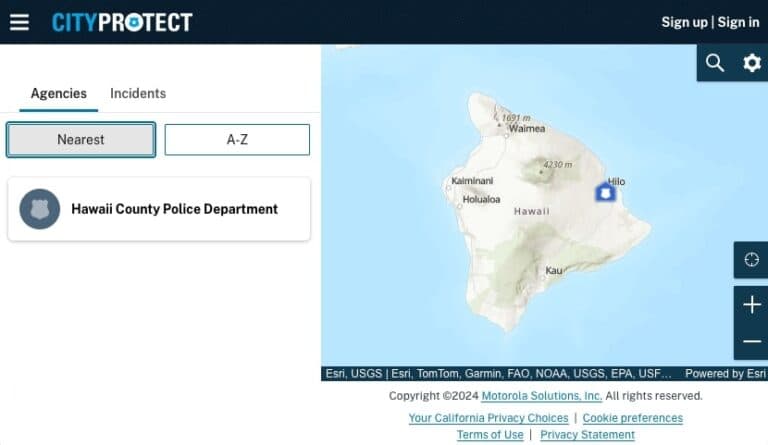
Hawaiʻi’s attorney general ran a pilot program that last year automatically expunged low-level, non-conviction drug arrest records for more than 1,300 residents of Hawaiʻi County, a move intended to remove obstacles to employment and stable housing across the Big Island.
The pilot focused on arrests for possession of small amounts of Schedule V substances and targeted records that had previously required individuals to petition courts for relief. Statewide, roughly one-third of Hawaiʻi residents have at least one criminal record that would be eligible for expungement under similar criteria, a figure that highlights the scale of long-term barriers facing people across the islands. Historically, fewer than 1 percent of eligible people petitioned to clear such records each year, underscoring how procedural and informational hurdles limited access to relief.
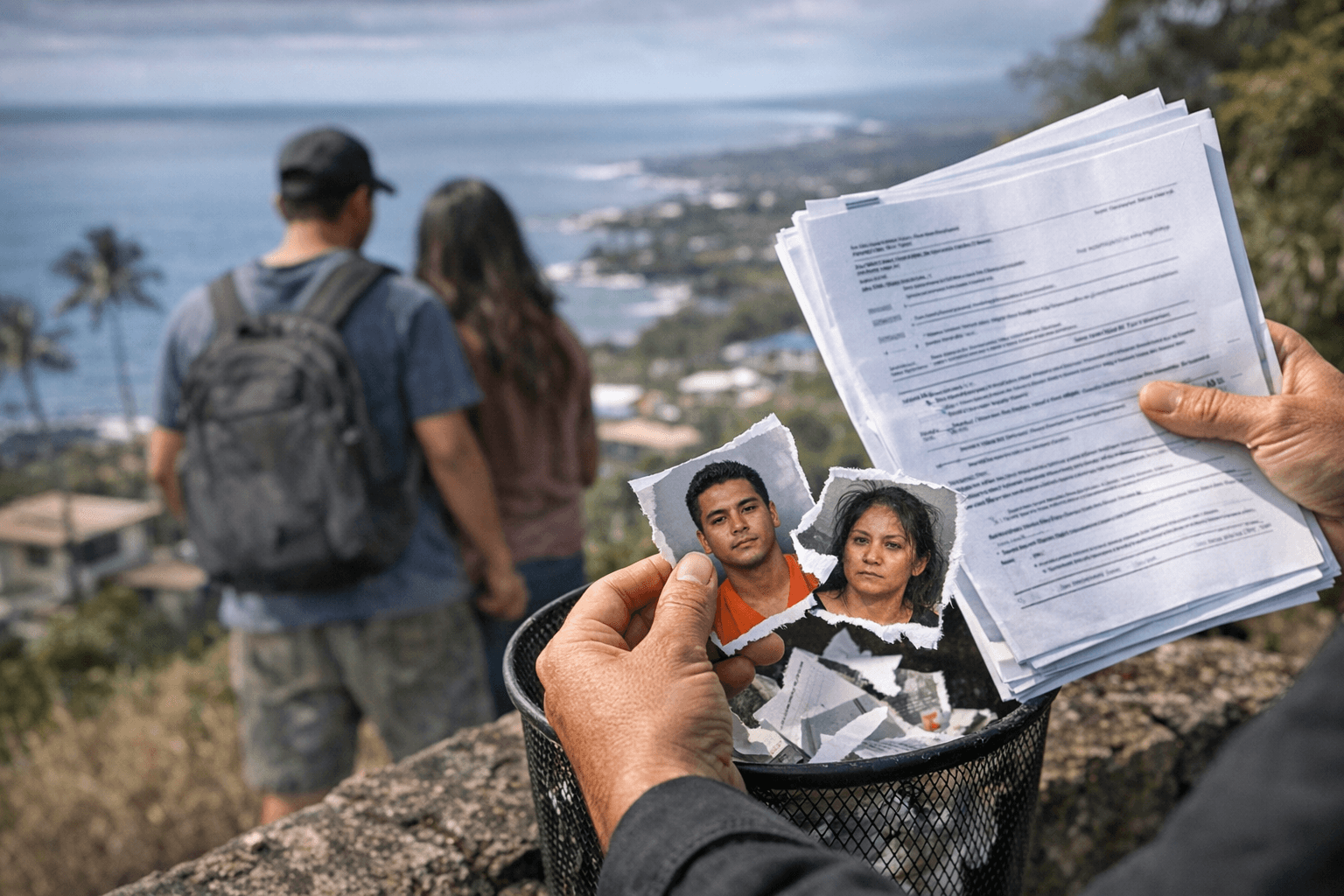
Operationally, the pilot proved labor intensive. Staff in the attorney general’s office spent hundreds of hours manually reviewing arrest records, reconciling charges with eligibility criteria and coordinating with local courts and law enforcement databases. Those administrative costs and workloads are central to ongoing policy debates over whether to make state-initiated expungement permanent. Supporters point to potential economic benefits from broad clearance of records, while critics and fiscal watchdogs raise questions about ongoing staffing needs, technology investments and cost estimates for scaling the program across the state.
Comparisons to other states have informed the conversation. Some jurisdictions have automated processes with different eligibility thresholds and funding models; others rely on individual petitions, which historically led to low takeup. Hawaiʻi’s pilot sits between those approaches, signaling an effort to reduce the paperwork burden on people with low-level arrests while testing administrative capacity.
For Big Island residents the practical effects are immediate. Clearing arrest records can remove red flags from background checks used by employers and landlords in Hilo, Kona and smaller communities, improving chances for stable work in hospitality, agriculture and service industries. It also carries cultural implications for Native Hawaiian communities and multi-generation ʻohana where an arrest record can affect family mobility and economic prospects. Nonprofit advocates and lawmakers locally have weighed the pilot’s benefits and limits, emphasizing the need for outreach so eligible residents understand changes and for investments in systems that prevent new bottlenecks.
What comes next will hinge on legislative decisions and budget choices at the state level. Residents should expect continued discussion this session about making automatic expungement permanent, funding the necessary administrative systems, and designing outreach so the program reaches people across the Big Island who stand to benefit.
This article was produced by Prism’s automated news system from verified source data, official records, and press releases, then run through automated quality and moderation checks before publishing. The system is built and supervised by the people who set the standards it runs under. Read our full AI policy.
Did this article answer your question?