Hawaii CC launches certificate to train cesspool replacement workers
Hilo’s new wastewater certificate is built for one job: train workers fast enough to help Big Island owners replace cesspools before the 2050 deadline.
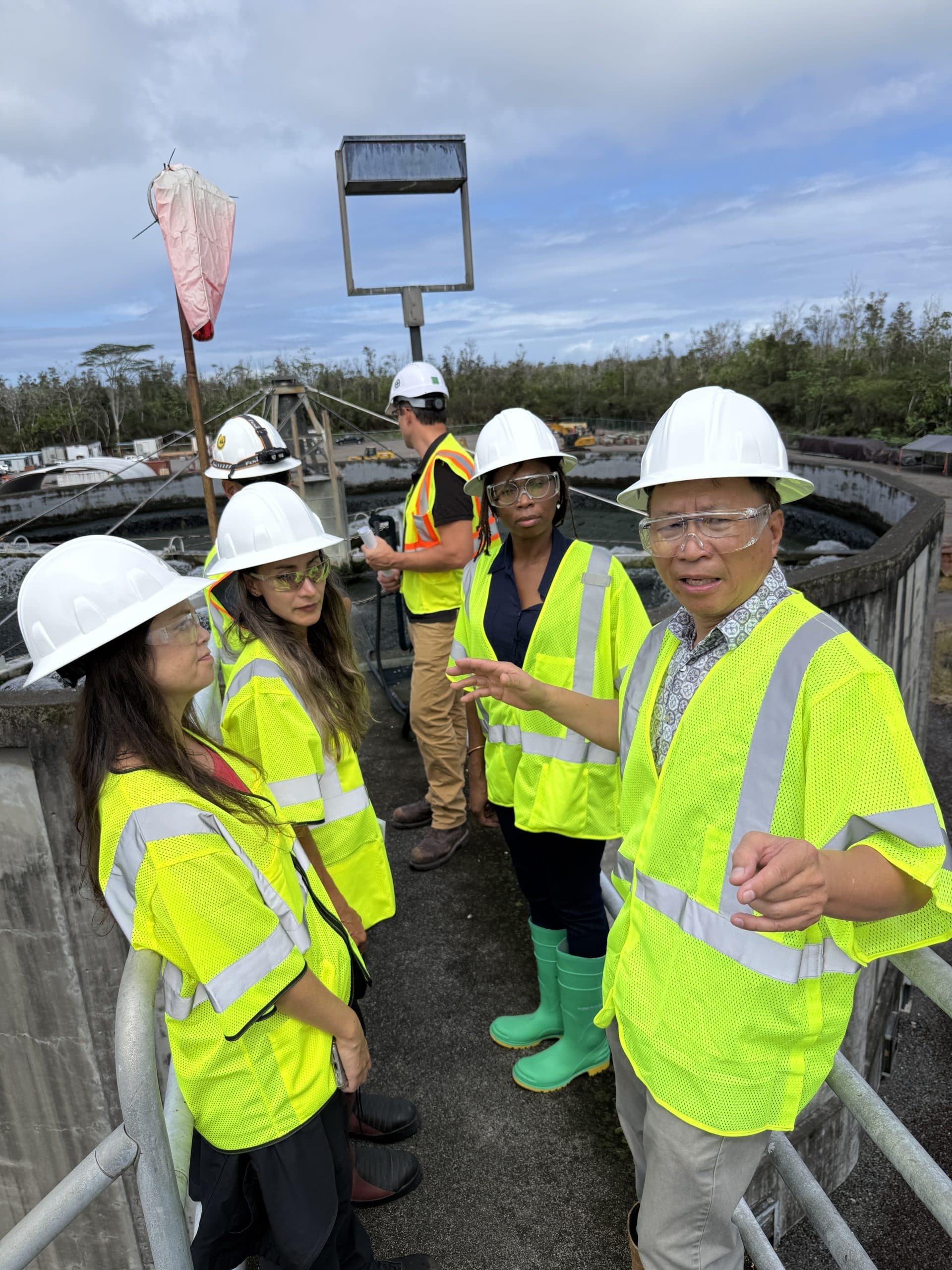
Hawaii Community College in Hilo is putting workforce training directly into one of the Big Island’s most expensive infrastructure problems: replacing cesspools on private property before the state’s 2050 deadline. The new Onsite Wastewater Treatment Systems Specialist Certificate is meant to help fill a shortage of trained workers at a time when Hawaii still has more than 83,000 cesspools releasing roughly 52 million to 53 million gallons of untreated wastewater into the ground every day.
That matters for homeowners because the work is no longer optional. Act 125, passed in 2017, requires all cesspools to be removed and replaced by 2050, and Hawaii County says Act 87, passed in 2022, expanded replacement options to include upgrades or conversions. The county’s wastewater plan says private landowners are responsible for closing their cesspools and connecting to approved systems, which means the cost and logistics fall squarely on residents, especially in places where older infrastructure has lagged behind growth.
The Hilo certificate is a 23-credit, one-year program created with UH Maui College. Its coursework covers wastewater, construction and design, sustainability, hands-on fieldwork and an internship, and it is designed to prepare students to work alongside engineers, operators, maintainers and installers. Hawaii Community College says students in the program will gain hands-on experience and be prepared for multiple careers in the wastewater industry, turning the college into a local pipeline for a statewide problem that will continue for decades.
The urgency sharpened after the March 2026 Kona low storms, which triggered flooding across Hawaii and brought wastewater infrastructure back into focus. The governor’s emergency proclamations said the storm system caused extensive damage to roads, highways, public infrastructure, buildings, homes and private property. On Hawaii Island, that kind of weather raises the stakes for cesspools because floodwaters can spread contamination and strain already aging systems.

County leaders have already begun building an island-specific response. Mayor Kimo Alameda convened the County of Hawaii Cesspool Conversion Task Force in 2025, and its report was finalized in December 2025. The report says the county’s challenge is not just technical, but also financial, workforce-related and tied to community engagement, with case studies and local solutions identified for Puakō, Keaukaha, Milolii and Kahaluu. The county’s integrated wastewater plan also points to a draft expected in fall 2026 and a final plan in early 2027.
The training push did not start from scratch. In 2023, WAI was already developing a workforce-training curriculum with Hawaii Community College, with plans to start a first cohort that fall. Backed by longtime advocates such as Stuart Coleman and support from Sen. Mazie Hirono, the effort now has a clearer path: train people in Hilo, send them into the field, and chip away at one of the state’s biggest pollution problems before more Big Island homeowners are forced to wait for scarce crews.
This article was produced by Prism’s automated news system from verified source data, official records, and press releases, then run through automated quality and moderation checks before publishing. The system is built and supervised by the people who set the standards it runs under. Read our full AI policy.
Did this article answer your question?