Hawaii County Council approves $1.35 billion budget for next fiscal year
Big Island homeowners and landlords will see a 20-cent tax cut per $1,000, while Animal Control gets $25,000 more as the council approves a $1.35 billion budget.
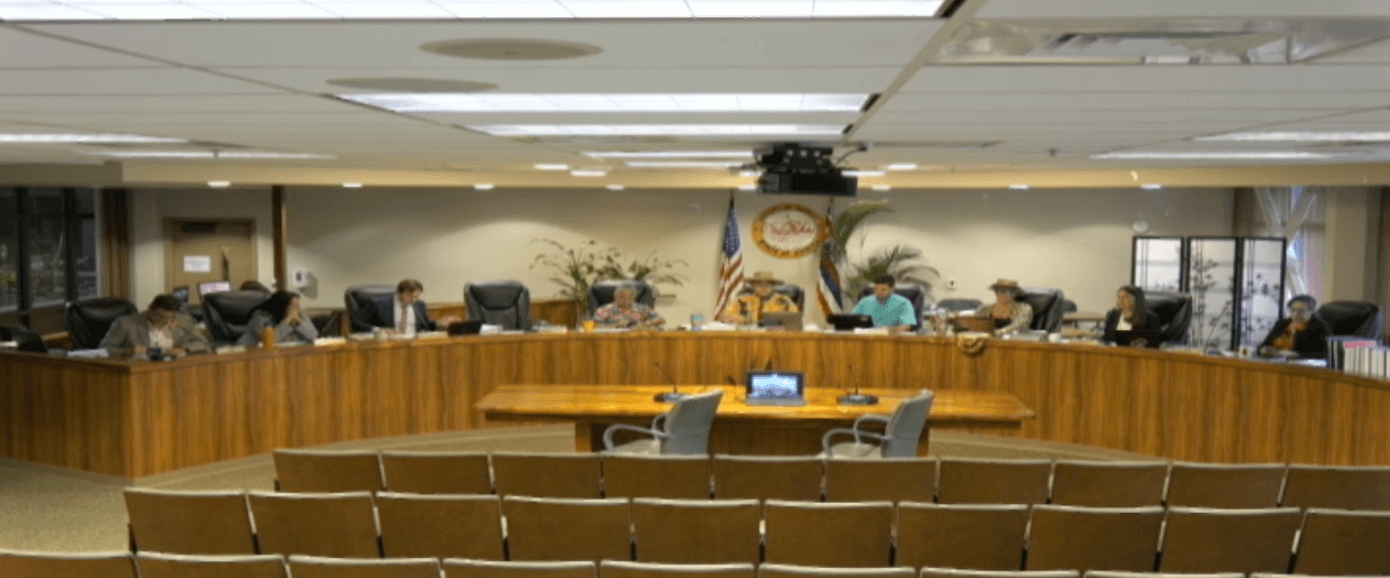
Big Island property owners will feel one of the first shifts from Hawaii County’s new budget in their tax bills: a 20-cent cut per $1,000 of net taxable value for affordable rental housing and primary residences beginning July 1. At the same time, the County Council cleared a $1.35 billion spending package on June 5, made up of a nearly $1 billion operating budget and about $358.7 million for capital projects, while adding $25,000 to Animal Control for dangerous-dog signage.
The council passed both Bill 135 and Bill 136 by an 8-0 vote after a special meeting, with Council Member Matt Kaneali‘i-Kleinfelder absent and no public testimony at the final reading. The operating budget is $13.47 million larger than the current one and takes effect July 1, 2026. Mayor Kimo Alameda said the outcome reflected work by the Finance Department, the council and department heads, with public safety, infrastructure and recreation among the main priorities.

For residents in Hilo, Kona, Puna and Kaū, the fastest changes are likely to show up in tax notices, county services and the long queue of infrastructure work that still needs to be financed. The operating side keeps day-to-day services moving, while the capital side continues to steer money toward roads, facilities and other long-lived projects. County officials have said public safety, waste processing and debt service were all rising pressure points during the budget process, and the property-tax package was used in part to help close an estimated $15 million gap.

The added Animal Control money is tied to dangerous-dog signage required under the 2024 dangerous-dog law. Hawaii County Code already gives animal control officers broad authority in dangerous-dog cases, including seizure and, in some circumstances, destruction of animals found running at large, which is why signage and enforcement supplies became a budget item.
The tax package also moved on a separate track. The council adopted Resolution 574-26 by 8 ayes and one absent member, creating a new long-term rental property class effective Jan. 1, 2026, and a third residential tier effective March 25, 2026. A public hearing on the real property tax rates was held May 19 in the Hawaii County Building Council Chambers in Hilo, with participation also available through the Kona Council Chambers and a Pāhoa courtesy site.
The mayor’s Feb. 27 budget transmittal had put the proposed operating budget at $966,891,661 and described a capital plan of 45 projects funded through federal grants, state money, bonds and private funds. It also estimated total debt service at 9.04% of general expenditure, below the Government Finance Officers Association’s 15% prudent limit. The final package shows where county leaders chose to land: modest relief for taxpayers, a small but symbolic boost for Animal Control, and continued funding for the infrastructure backlog that still shapes life across the island.
This article was produced by Prism’s automated news system from verified source data, official records, and press releases, then run through automated quality and moderation checks before publishing. The system is built and supervised by the people who set the standards it runs under. Read our full AI policy.
Did this article answer your question?