Hawaii DMV will automatically register eligible voters starting Jan. 1
Big Island drivers renewing at Hilo or Kona DMV will be registered to vote by default starting Jan. 1, unless they opt out. Existing voters can also get an address update.

Big Island residents who walk into the Hilo or Kona DMV to renew a license or state ID will soon face a new default: if they are eligible, they will be registered to vote unless they choose not to be. For people already on the rolls, the same transaction can also update a changed address, a shift that could matter in a county where residents move often between districts and rural routes.
Gov. Josh Green signed Act 67 on May 29, and the law takes effect Jan. 1, 2027. It will not change the August and November elections already on the calendar, but it will alter what happens the next time many residents complete a routine DMV visit.
The change flips Hawaii from the older opt-in model to an opt-out system. Under the previous setup, residents had to actively check a box if they wanted a license or ID transaction to double as a voter-registration opportunity. Now, the registration step will be built into applications for a driver’s license or state ID unless the applicant declines. If a voter is already registered, the DMV transaction can also automatically update the voter’s name or address unless that update is refused.
The final version of the law was shaped by legal concerns raised by the Hawaii Department of the Attorney General. Earlier language ran into trouble over the requirement that registrants attest under penalty of perjury that they are qualified voters. The revised approach ties the automatic process to proof of U.S. citizenship or to licensing records that already established that documentation had been provided. That adjustment was meant to fit the motor-voter framework in the National Voter Registration Act.
Lawmakers and advocates have pushed this change for years. Senate President Stanley Chang has described automatic voter registration as a way to simplify participation, improve the accuracy of voter rolls and reduce the administrative burden that falls on individual voters. The Legislature also pointed out that Hawaii first established automatic voter registration in 2021, but the system that went live still required an opt-in step, leaving the burden on residents to activate it.
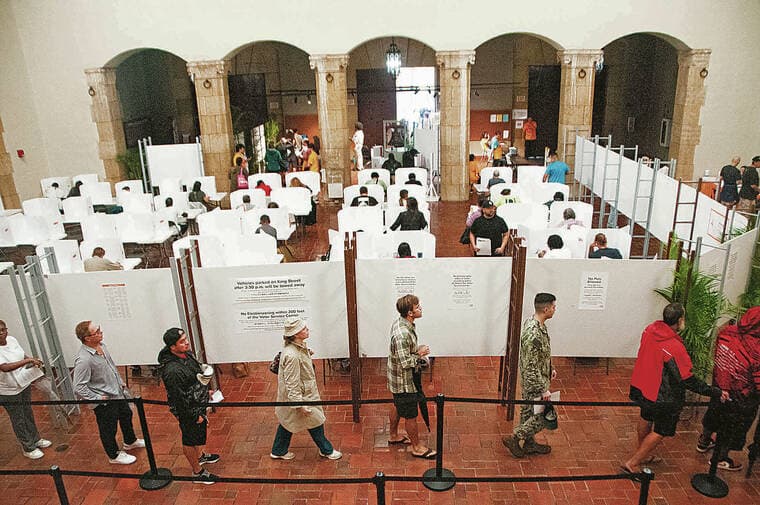
For Big Island voters, the practical question is whether election records can keep pace with the island’s churn. People who change homes, move between Hilo and Kona, or live on rural addresses that can be hard to standardize will need clean records, especially if DMV data is going to feed voter registration automatically. The State of Hawaii Office of Elections says DMV applicants can also use a Hawaii driver’s license or state ID and a Social Security number to register or update registration online, and voters without those credentials can still file a paper application through their county elections division. Starting Jan. 1, the default at the DMV changes, and the burden shifts to the voter only if the voter says no.
This article was produced by Prism’s automated news system from verified source data, official records, and press releases, then run through automated quality and moderation checks before publishing. The system is built and supervised by the people who set the standards it runs under. Read our full AI policy.
Did this article answer your question?