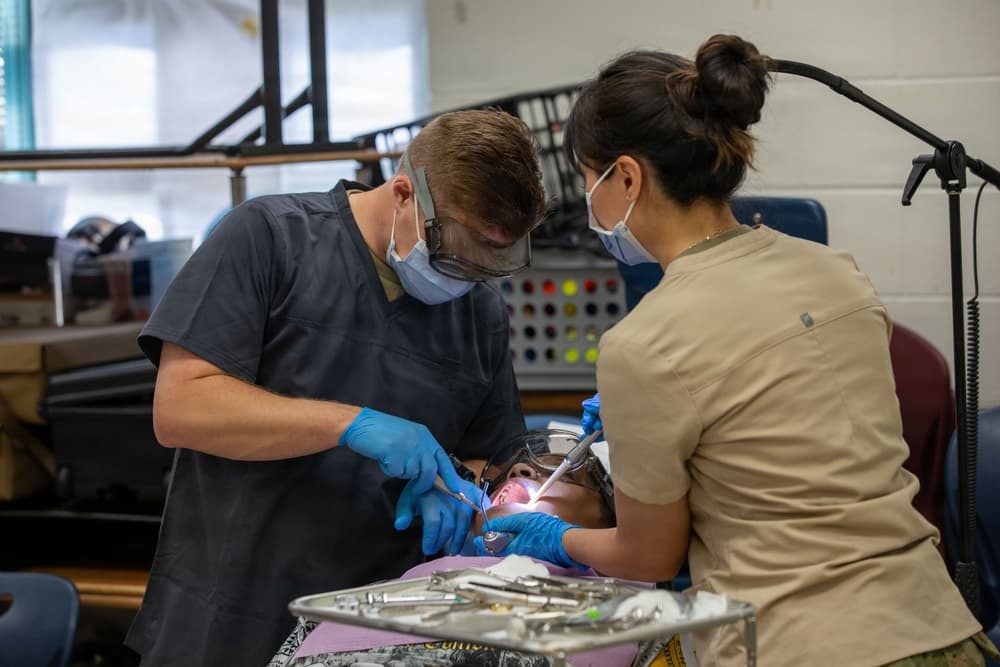
Hawaii Island Adult Care marks 50 years serving kūpuna and caregivers
The island’s only adult day care center is turning 50, underscoring how much East Hawaii families depend on respite and kūpuna care.

Hawaii Island’s only adult day care center will mark 50 years in service Sunday at its Hilo location, a milestone that says as much about the island’s aging population as it does about one nonprofit’s longevity. Hawaii Island Adult Care plans a celebration from 1 p.m. to 3 p.m. on April 27, honoring five decades of support for kūpuna and the caregivers who keep them at home.
The organization opened in January 1976 as Hawaii Island’s first adult day care center, and that history gives the anniversary a broader meaning for Hilo and East Hawaii. In a county spread across a large island, with families often balancing work, transportation and long drives to reach care, HIAC has filled a role that is both medical and practical. It has not only offered a place for older adults during the day, it has given families a reliable option when home care is no longer enough but nursing home placement is not the right fit.

HIAC says adult day care helps kūpuna remain at home longer, slows dementia and memory loss, reduces hospital visits and costs less than home care or nursing homes. Those benefits put the program squarely inside the island’s health-care safety net. For working families, the service can mean the difference between keeping an older parent in a familiar home and facing a sudden crisis when caregiving becomes too hard to sustain alone.
The anniversary also highlights how quietly essential adult day care can be. Services like these rarely draw attention until a milestone forces a closer look at what they have meant over decades of change. On Hawaii Island, where long-term care needs are growing and family caregivers often shoulder the work themselves, HIAC has become part of the daily routine for generations of residents.

For Hilo and the wider island, 50 years of Hawaii Island Adult Care is not just a celebration of one nonprofit. It is a reminder that aging with dignity often depends on local institutions built to keep people connected to home, and on the caregivers who rely on them to keep that promise possible.
This article was produced by Prism’s automated news system from verified source data, official records, and press releases, then run through automated quality and moderation checks before publishing. The system is built and supervised by the people who set the standards it runs under. Read our full AI policy.
Did this article answer your question?