Hawaii Island Fentanyl Task Force Distributed 14,000 Naloxone Kits in 2025
One person dies every 8 days from fentanyl on Hawai'i Island. The task force distributed 14,000 naloxone kits in 2025, but treatment capacity and funding remain the critical gap.
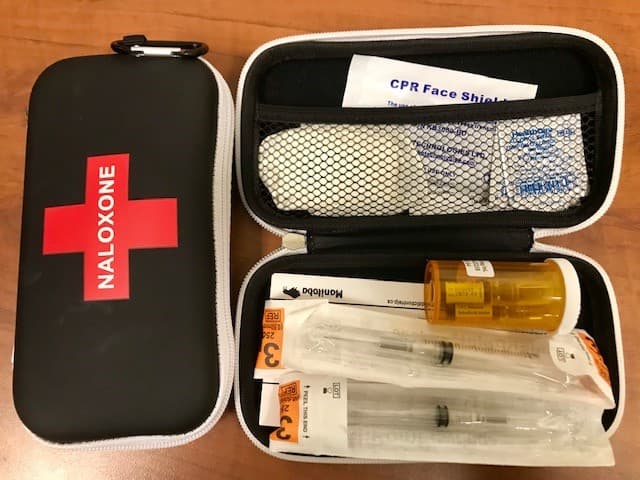
One person every eight days. That is the pace at which fentanyl is killing Hawai'i Island residents, making it the leading cause of death for anyone between the ages of 18 and 45 on the Big Island. Against that toll, the Hawaii Island Fentanyl Task Force distributed more than 14,000 naloxone kits across the island in 2025, deploying them through more than 100 pop-up events and pairing them with more than 40 educational presentations and overdose-response trainings.
The numbers signal reach. Whether they signal enough is where the accountability gap opens.
HIFTF, a coalition of community members, healthcare providers, businesses and government partners, traces its founding to a 2021 meeting in West Hawai'i convened in the aftermath of a 14-year-old's death from fentanyl exposure. That gathering crystallized what has since grown into a coordinated, islandwide network spanning prevention, harm reduction, family support and direct coordination with law enforcement and state legislators.

Fourteen thousand naloxone kits is a substantial supply push. But a reversal kit works only when someone is present and trained to use it, and it cannot substitute for treatment once a person survives an overdose. The Task Force's own framing points to the missing piece: HIFTF is pressing county and state policymakers for sustained funding for standing naloxone supply chains, expanded treatment capacity and public-education campaigns. The push for treatment capacity signals a gap that distribution alone has not filled. A death rate of one every eight days suggests the curve has not yet bent.
The coalition borrowed an 'ōlelo no'eau, a Hawaiian proverb, to describe its posture: "I am a wind-withstanding 'a'ali'i; no wind can topple me over." The 'a'ali'i is a native shrub that flexes without uprooting. For HIFTF, the image frames a community-led model built to absorb sustained pressure, even as the crisis holds its pace.

The 5th Annual Hawaii Island Fentanyl Task Force Summit, scheduled for Waimea on April 29, will test that resilience in a policy arena. The summit's agenda centers on the intersection of substance use disorder and mental health, with dedicated space for Native Hawaiian perspectives on both the crisis and the response. That framing is deliberate: fentanyl's reach on Hawai'i Island tracks through communities already navigating systemic health inequities, and any durable reduction in overdose deaths will require approaches built with those communities, not simply deployed into them.
Five years of growth from a West Hawai'i grief meeting to an island-spanning distribution network is measurable progress. The summit in Waimea will press the harder question: whether the treatment infrastructure, the funding streams and the legislative commitments can scale fast enough to match a death toll that began with a 14-year-old and has not stopped.
This article was produced by Prism’s automated news system from verified source data, official records, and press releases, then run through automated quality and moderation checks before publishing. The system is built and supervised by the people who set the standards it runs under. Read our full AI policy.
Did this article answer your question?