Hawaii islands face costly decades-long cleanup of buried military ordnance
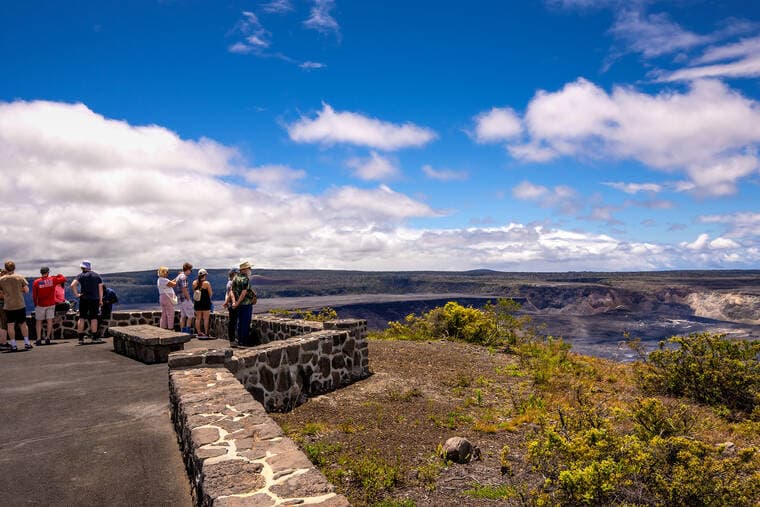
West Hawaii’s former Army training lands still carry buried ordnance, and cleanup across Waikoloa and Kohala is measured in decades, not months.
A hazard that still shapes the Big Island
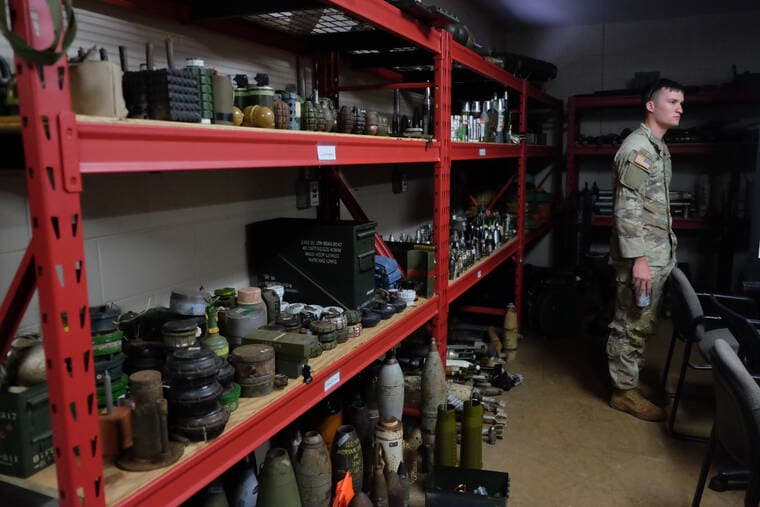
A hidden hazard still stretches across West Hawaii, where former Army training land once used for live-fire drills now sits tangled up with ranching, shoreline access, housing and recreation. The danger is not abstract: unexploded bombs and other munitions can still affect where people hike, farm, build, survey land or work on environmental restoration.
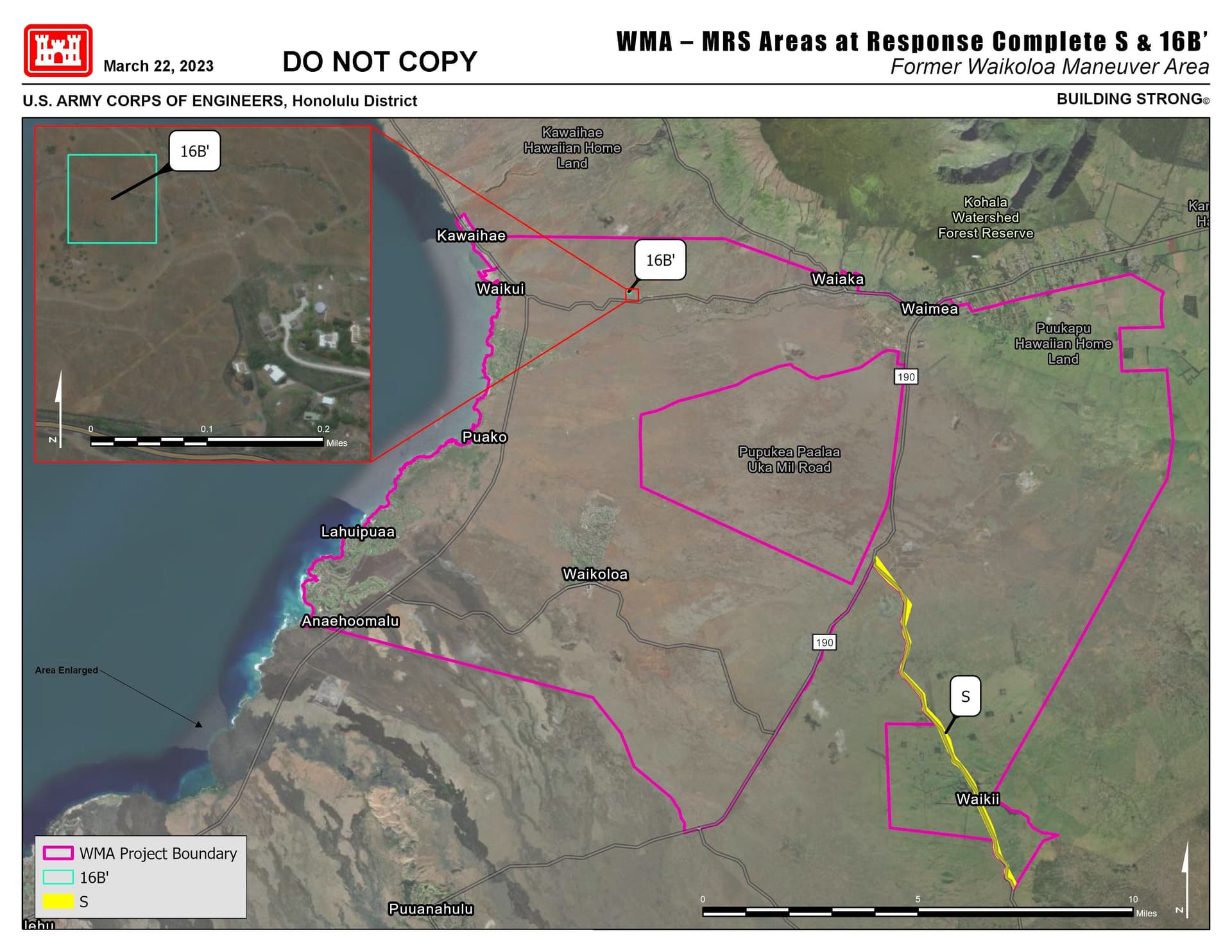
The former Waikoloa Maneuver Area sits at the center of that problem. The U.S. Army Corps of Engineers describes it as about 160 square miles in South Kohala on Hawaii Island, used from 1943 to 1945 for live-fire training of 50,000 troops. The land was returned to Parker Ranch in 1946, and the Corps says two surface cleanup efforts followed, one in 1946 and another in 1954. Even so, the cleanup has never been finished. Surface work did not erase what remained buried.
Why Waikoloa still matters to neighbors, ranch lands and shoreline users
The west-side risk is not confined to some distant backcountry zone. A 2023 Hawaii Tribune-Herald report said the Corps had been removing unexploded military hardware from the former Waikoloa Maneuver Area for more than 20 years, while scanning parcels in Kohala extending from Kawaihae Harbor to Waimea and south along the shoreline around Hapuna Beach and Puako. The same report noted that a search of an 11,000-acre Waimea area found just one unexploded 2.36-inch rocket warhead.
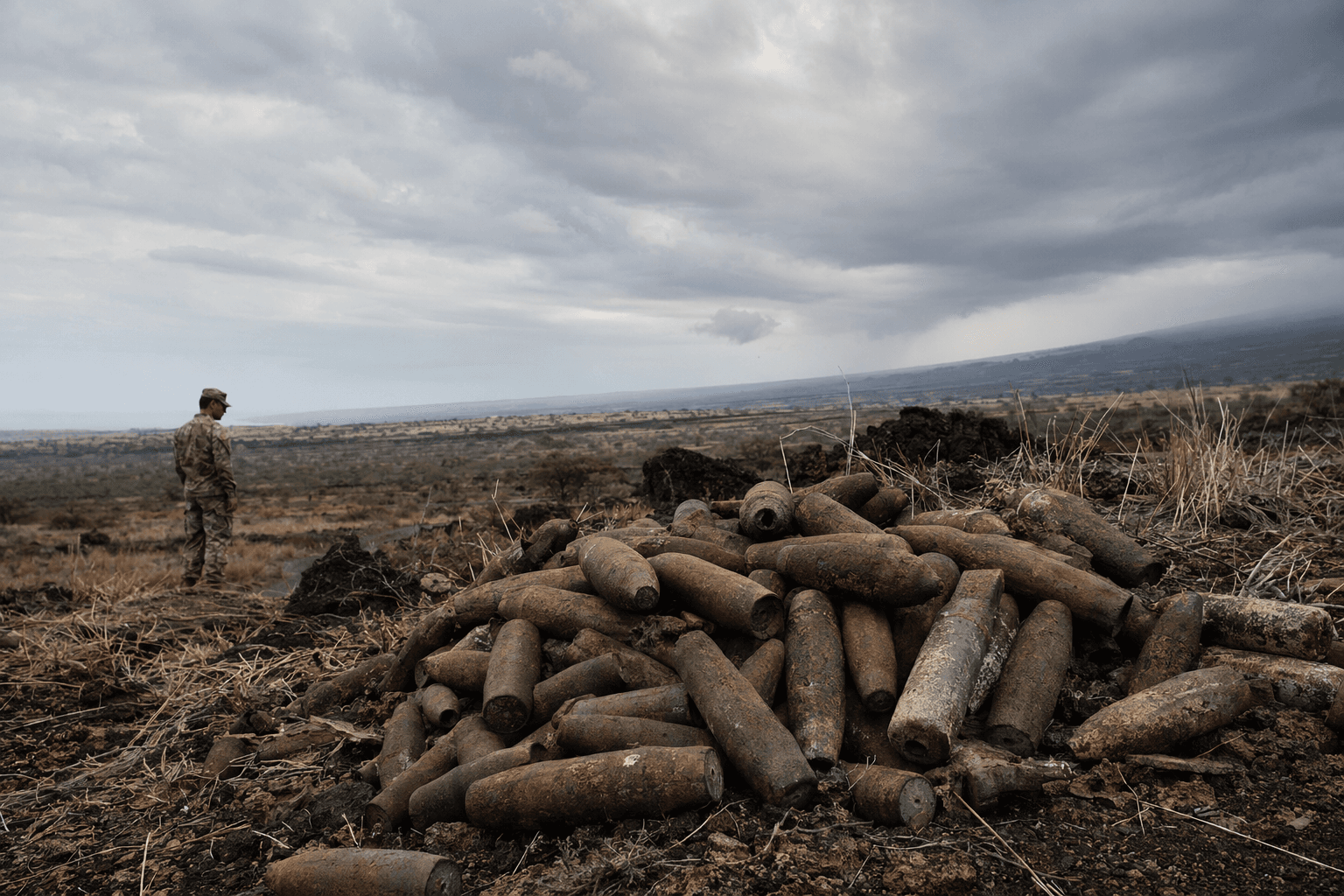
That single find does not make the area safe. It shows how hard ordnance is to locate in a landscape that mixes lava fields, ranch country, public access routes and private parcels. The Corps has also warned residents in Waikoloa Village neighborhoods about ongoing investigation and cleanup, a sign that this is not only a remote land-management issue. It is a community issue tied to where people live and how the west side keeps growing.
For Big Island readers, the practical concern is simple: if a parcel near former training land is opened, sold, leased or restored, someone still has to answer whether buried ordnance could be there. That question matters in ranch operations, conservation work, utility projects and recreation areas alike.
The cleanup is piecemeal because the land is huge and split into many sites
The scale of the former training area helps explain why the work moves so slowly. A state Department of Health decision document says one Waikoloa munitions response site in the northern section of the former training area covers 5,074 acres. Another document says the Areas B, O, Q and J-Cleared site covers 3,548.4 acres. A separate document places Area P at 4,520.4 acres.
Those are only pieces of the overall landscape, but they show how the contamination has been broken into separate response areas rather than cleaned as one simple project. In practice, that means survey crews, risk assessments and clearance work must be tailored to each parcel. It also means progress can look uneven from one valley or shoreline stretch to the next.
The Corps’ record shows why. The military used the land for live-fire training during World War II, and only limited cleanup was done immediately afterward. Decades later, the remaining hazard is a mix of surface and buried material that can be difficult to detect and expensive to remove. That is why remediation on Hawaii Island has become a long sequence of assessments, not a single cleanup event.
Who is accountable, and who pays
The answer to accountability is shared, but not equally. The U.S. Army Corps of Engineers is the most visible federal cleanup player on the former Waikoloa Maneuver Area, while the U.S. Army, U.S. Army Garrison Hawaii and U.S. Army Environmental Command are part of the broader military structure dealing with munitions response. The Hawaii Department of Health adds another layer by designating and documenting response sites. Parker Ranch remains central because the land was returned there in 1946, even though the ordnance problem was left behind.
At the national level, the U.S. Army says Congress created the Military Munitions Response Program in 2001 to address unexploded ordnance, discarded military munitions and related contamination on current and former defense sites. The U.S. Environmental Protection Agency says former munitions ranges transferred out of military control have left millions of acres needing assessment or cleanup.
That is the central policy problem on the Big Island. The military era created the hazard, but the costs now fall across a much wider circle. Federal programs fund much of the cleanup work, while local landowners, county planners and residents absorb the delays, access limits and uncertainty that come with land that cannot simply be treated as ordinary acreage. Every year of delay pushes decisions about housing, conservation, ranch use and shoreline access farther into the future.
What the slow timeline means for the Big Island
The Waikoloa case is a warning for any place on Hawaii Island where former military use meets public access. A parcel may look open, but that does not mean it is cleared. A shoreline trail may be popular, but nearby land can still require ordnance screening before broader use changes are allowed. A ranch block may seem remote, yet it can still sit inside an area that has been subdivided into munitions response sites.
That is why the cleanup is measured in decades. The Corps can remove surface hazards, but the combination of size, terrain, fragmented ownership and decades of layered land use makes full remediation slow and costly. On the Big Island, the issue is not just the memory of military training. It is the real possibility that the landscape still holds dangerous remnants that affect how land can be used today.
For West Hawaii, the lesson is blunt: the land returned to civilian hands more than 80 years ago, but the cleanup bill, the safety risk and the land-use consequences never fully left with the troops.
Know something we missed? Have a correction or additional information?
Submit a Tip