Kīlauea summit redesign adds safer overlooks, expanded visitor center
A rebuilt Uēkahuna overlook and a larger visitor center are changing how people move through Kīlauea’s summit after the 2018 collapse.
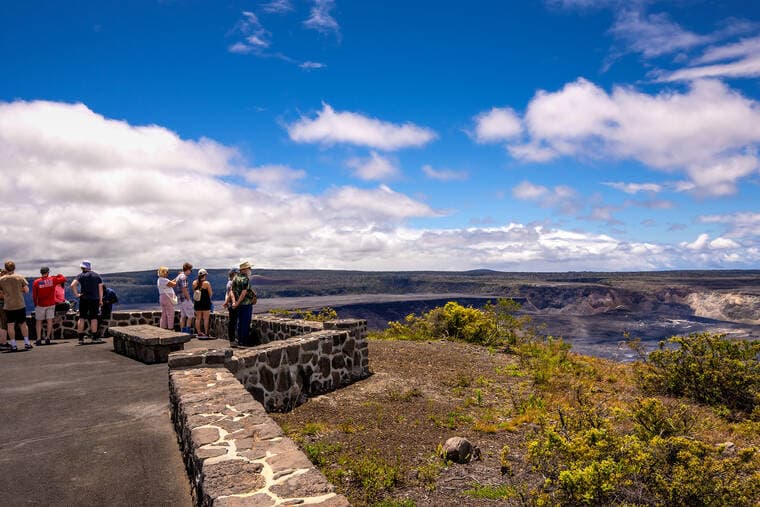
The summit of Kīlauea is no longer being put back the way it was. At Hawaii Volcanoes National Park, a rebuilt Uēkahuna overlook and a major renovation of the Kīlauea Visitor Center are reshaping where visitors park, how they enter, and where they stand to take in the crater after the 2018 collapse left the old layout too damaged, too crowded and too exposed.
The new Uēkahuna viewing area reopened on May 28, 2025, after the summit area had been closed since May 2018, when two large earthquakes, a catastrophic eruption and a summit collapse triggered thousands of smaller quakes over four months. The old Jaggar Museum was later judged structurally unsafe and removed, along with two former U.S. Geological Survey Hawaiian Volcano Observatory buildings. In its place, the park installed a larger viewing deck, benches and safer walking paths, while stones salvaged from the museum were embedded into the ground as a memorial to the site.
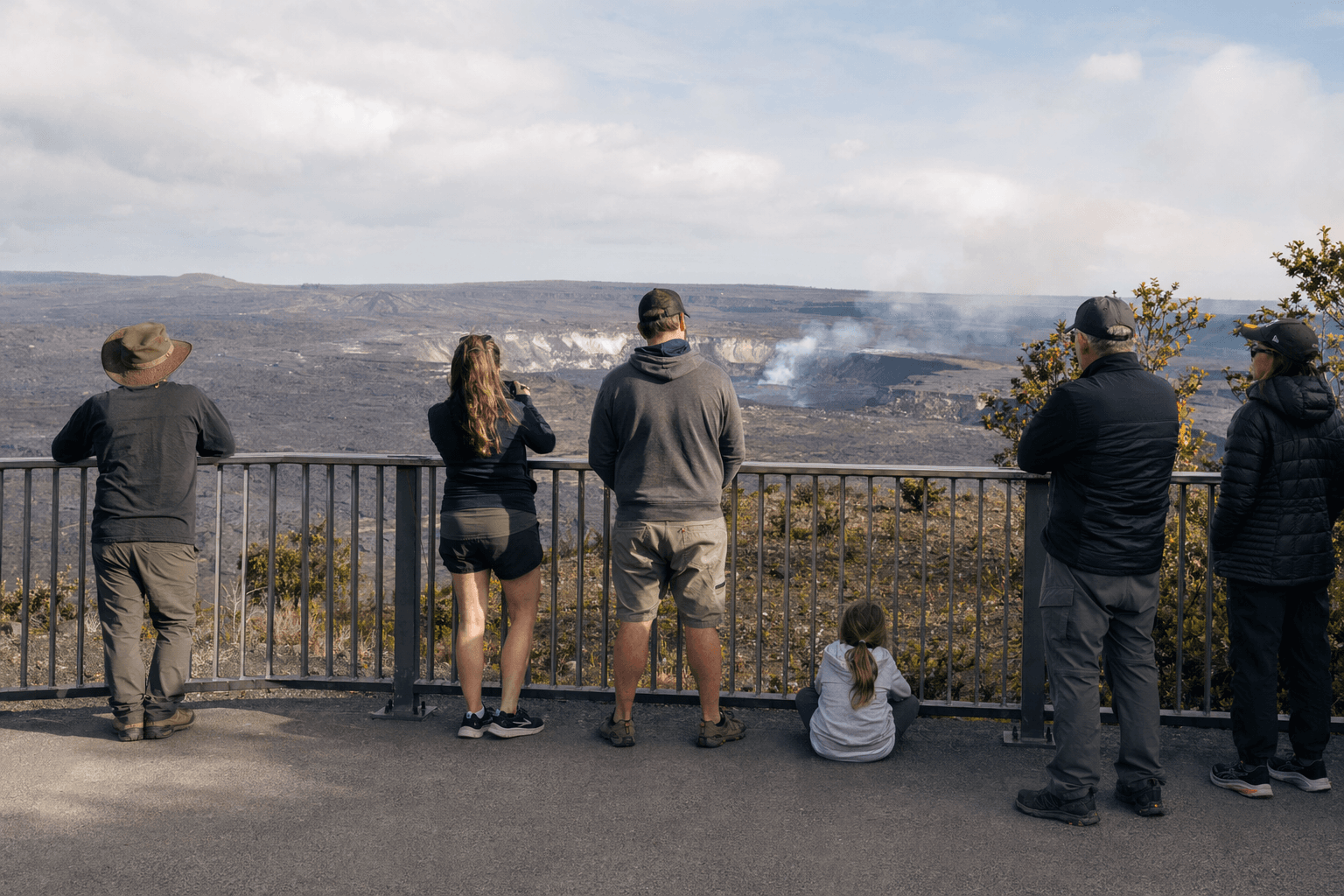
Park Superintendent Rhonda Loh has said the park has changed significantly since 2018, and Uēkahuna now reflects that shift. The National Park Service describes the site as a wahi pana, a legendary place with centuries of Hawaiian tradition, which makes the redesign more than a construction project. It is also a reset in how the park presents one of the island’s most visited places.
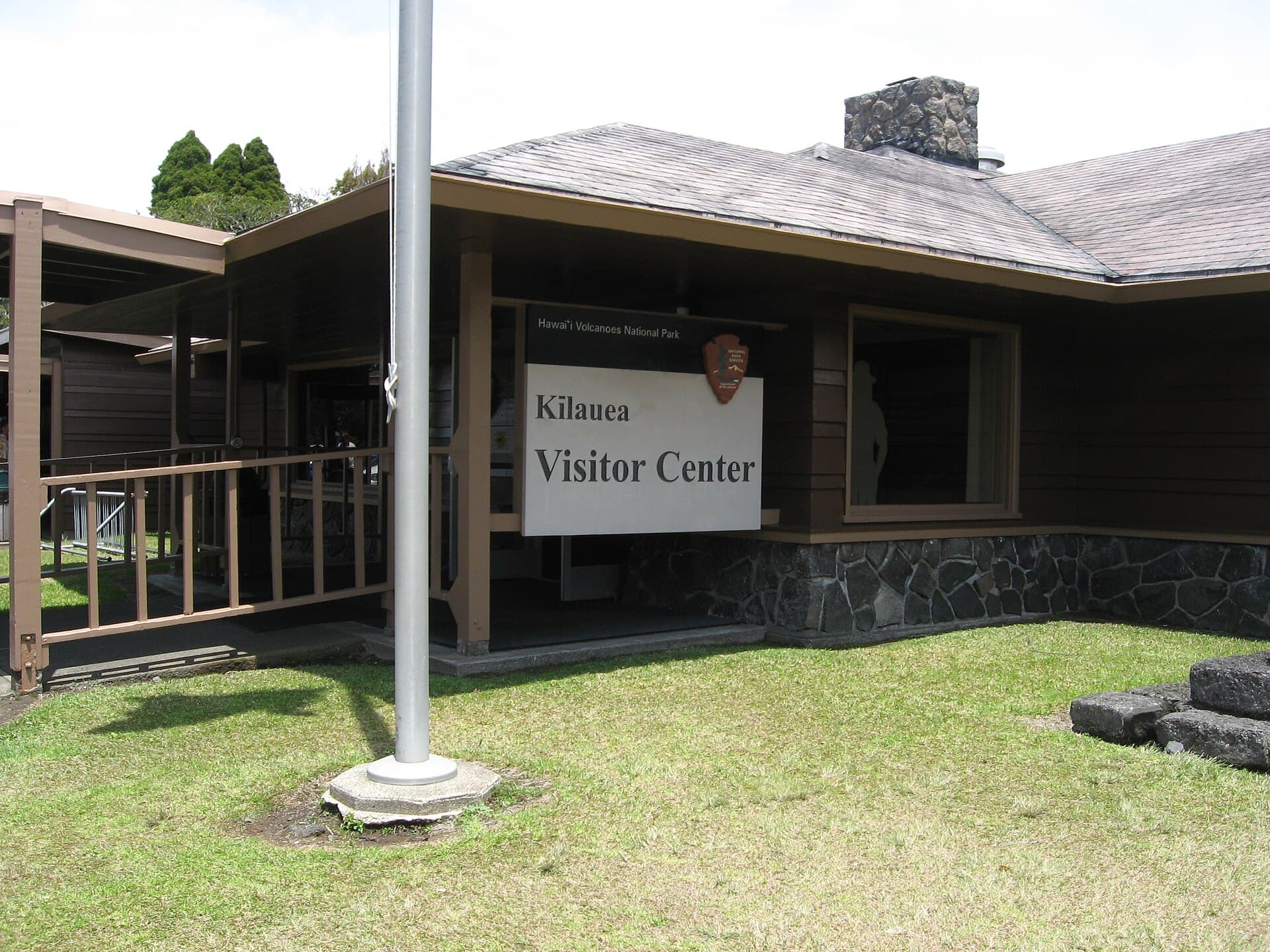
The same logic is driving the Kīlauea Visitor Center overhaul. The center closed for renovation on February 17, 2025, and park rangers and the Hawaii Pacific Parks Association store moved to the Welcome Center at Kīlauea Military Camp three days later. When finished, the project is set to add a covered hālau, relocated and improved restrooms, full accessibility, expanded interior visitor space, a larger store, bilingual exhibits in English and ōlelo Hawaii, and a better traffic flow for the thousands of people who pass through daily. The National Park Service says the work could take up to two years.
That matters on an island where Hawaii Volcanoes National Park draws an estimated 1.5 million to 2 million visitors a year. The park was established on August 1, 1916, but it now has to manage a far more active volcanic landscape, and the summit redesign was approved only after civic engagement, public scoping, an Environmental Assessment and a Finding of No Significant Impact. With Kīlauea and Mauna Loa both still defining the park’s future, planners are betting that resilience is better than replacement.
The stakes are local as well as tourist-facing. Hawaii Sea Grant says the 2018 eruption destroyed 716 homes and displaced about 3,000 residents, a reminder that these changes grow out of loss, not just visitor demand. For Big Island residents, tour operators and businesses tied to summit traffic, the upgrades promise a safer and more orderly park, but they also mean temporary detours, construction disruptions and a longer adjustment to a new Kīlauea experience.
Know something we missed? Have a correction or additional information?
Submit a Tip