Hawaii joins ballistic evidence network to speed gun case probes
Hawaii’s new ballistic network could turn shell-casing matches from a slow lab chore into leads in days, giving Big Island detectives faster shots at linking shootings.
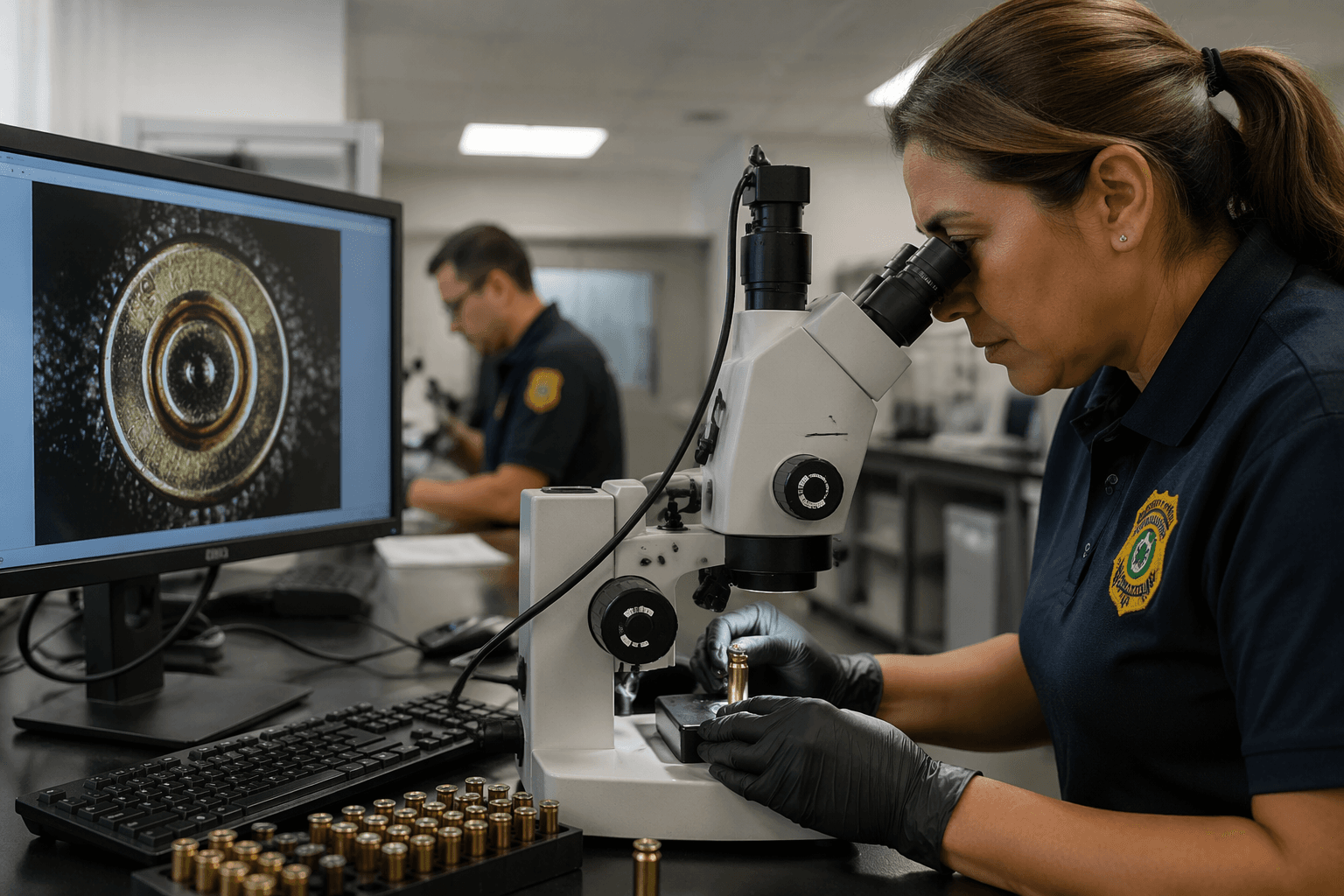
Hawaii’s move into the national ballistic evidence network could change how quickly Big Island investigators connect one shooting to another. Instead of moving casings through separate local procedures, detectives in Hawaii County now have a system that compares cartridge markings across cases in near real time, a shift that matters on an island where weapons, suspects and evidence can disappear fast.
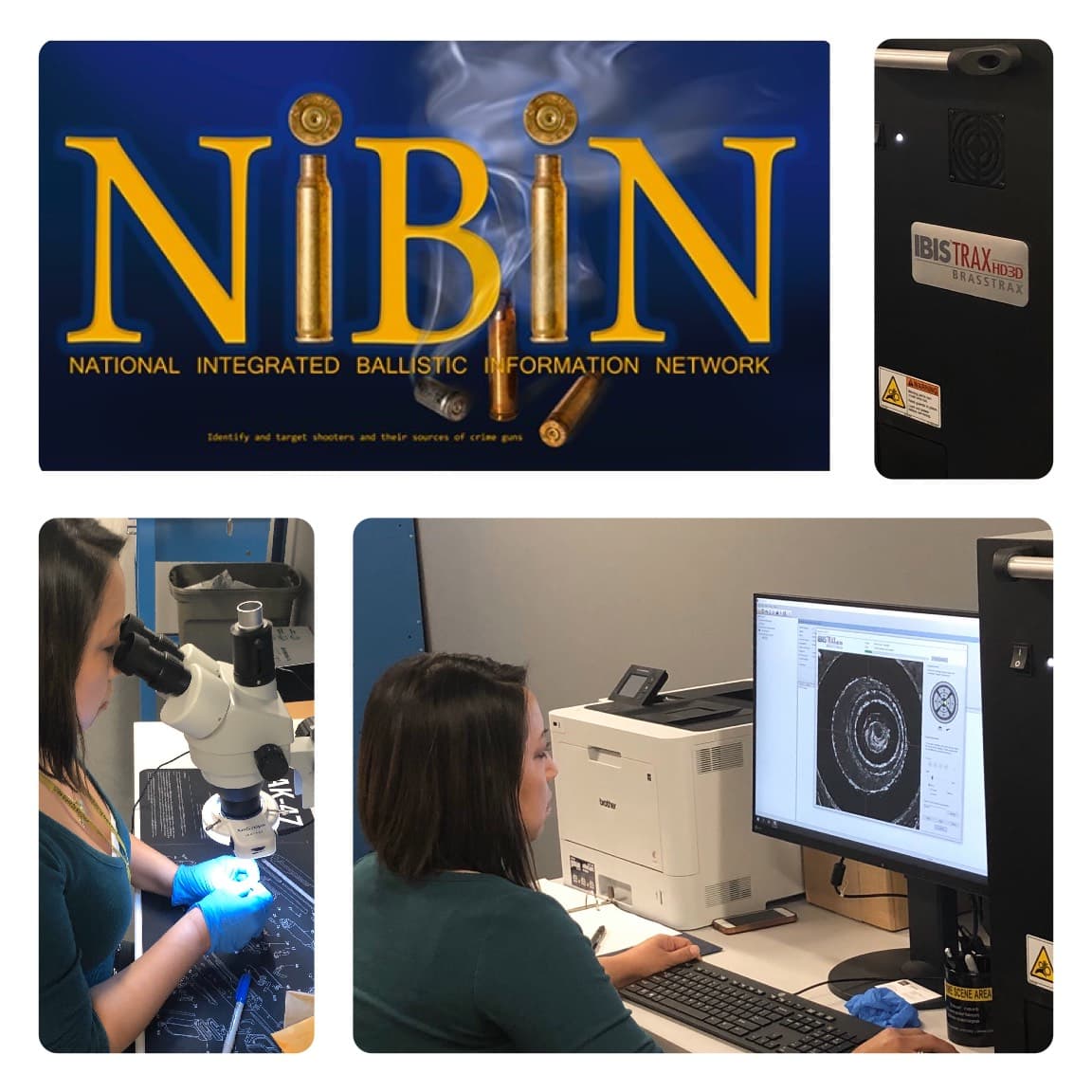
The Bureau of Alcohol, Tobacco, Firearms and Explosives says the National Integrated Ballistic Information Network is the country’s only system that links ballistic evidence recovered from crime scenes across jurisdictions. Established in 1997, it can generate investigative leads within days or even hours by comparing digital images of shell casings and cartridge markings, helping investigators identify shootings tied to the same firearm.
For the Big Island, that speed is the point. Hawaii was among the last states to join the network, and the new site in Honolulu is expected to serve all agencies in the state, including the Hawaii Police Department. The state Department of Law Enforcement said the system should help county police analyze evidence faster and make better connections between apparently separate cases, a practical advantage in violent-crime investigations where delays can let suspects, guns or related evidence slip away.

ATF said the new site, named the Officer Suzanne O NIBIN Site, will provide full-time acquisitions, correlations and firearm traces for all agencies in Hawaii. That means Hawaii County detectives should be able to send in ballistic evidence and get a faster answer on whether it matches a shooting in Hilo, Puna, Kailua-Kona or somewhere else in the islands. The same intelligence can also help trace crime guns, identify repeat offenders and support coordination between county, state and federal investigators.
The upgrade comes as officials keep pressing broader gun-violence efforts. Hawaii High Intensity Drug Trafficking Area supplied $250,000 in federal funding to help equip the counties and the state agency, while the Department of Law Enforcement also pointed to a March 2026 gun buyback on Oahu that collected 303 firearms. State officials have also flagged the growing concern over ghost guns and other hard-to-trace weapons, which can complicate investigations even when the evidence itself is recovered.
The memorial naming of the Honolulu site for Maui Police Officer Suzanne O also tied the rollout to the risks officers face in gun cases. For Hawaii Island, the promise is more immediate: faster ballistic matching, tighter inter-island coordination and a better chance that a shell casing picked up at one crime scene can help solve the next shooting before the trail goes cold.
This article was produced by Prism’s automated news system from verified source data, official records, and press releases, then run through automated quality and moderation checks before publishing. The system is built and supervised by the people who set the standards it runs under. Read our full AI policy.
Know something we missed? Have a correction or additional information?
Submit a Tip