Hawaii monitors Ebola and hantavirus risks on Big Island
Hawaii says the local risk is very low, but it is watching Ebola and hantavirus outbreaks abroad after a WHO emergency declaration and cruise ship deaths.
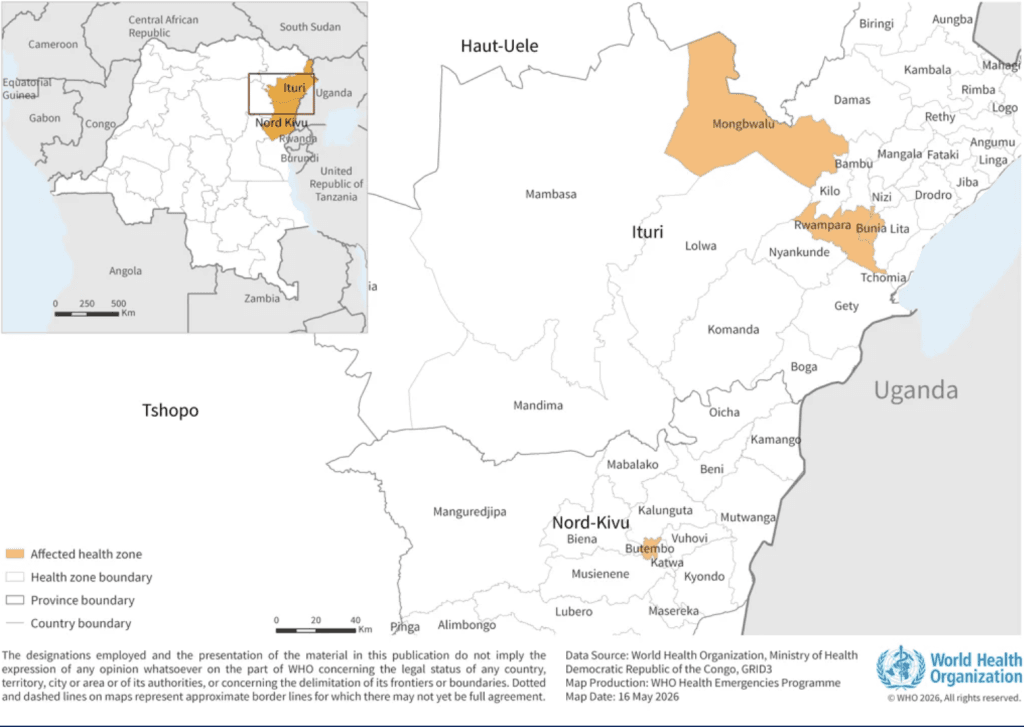
Big Island residents face a very low risk from the Ebola and hantavirus situations now under watch, but Hawaii health officials are keeping a close eye on both because a single imported case would demand fast tracing, testing and hospital response. The state said May 19 it was actively monitoring a Bundibugyo virus outbreak in the Democratic Republic of the Congo and Uganda, and the World Health Organization had just declared that outbreak a public health emergency of international concern.
That warning matters because Bundibugyo virus disease can be severe and is fatal in about 30% to 50% of cases. Hawaii health officials said there are no direct air travel connections between the outbreak area and Hawaii, and the state said the current risk to Hawaii is very low. The Centers for Disease Control and Prevention said as of May 18 there were no suspected, probable or confirmed Ebola cases tied to this outbreak in the United States, and the U.S.-licensed Ebola vaccine ERVEBO is not expected to protect against Bundibugyo virus. There is currently no licensed vaccine or therapeutic medication for Bundibugyo virus infection.
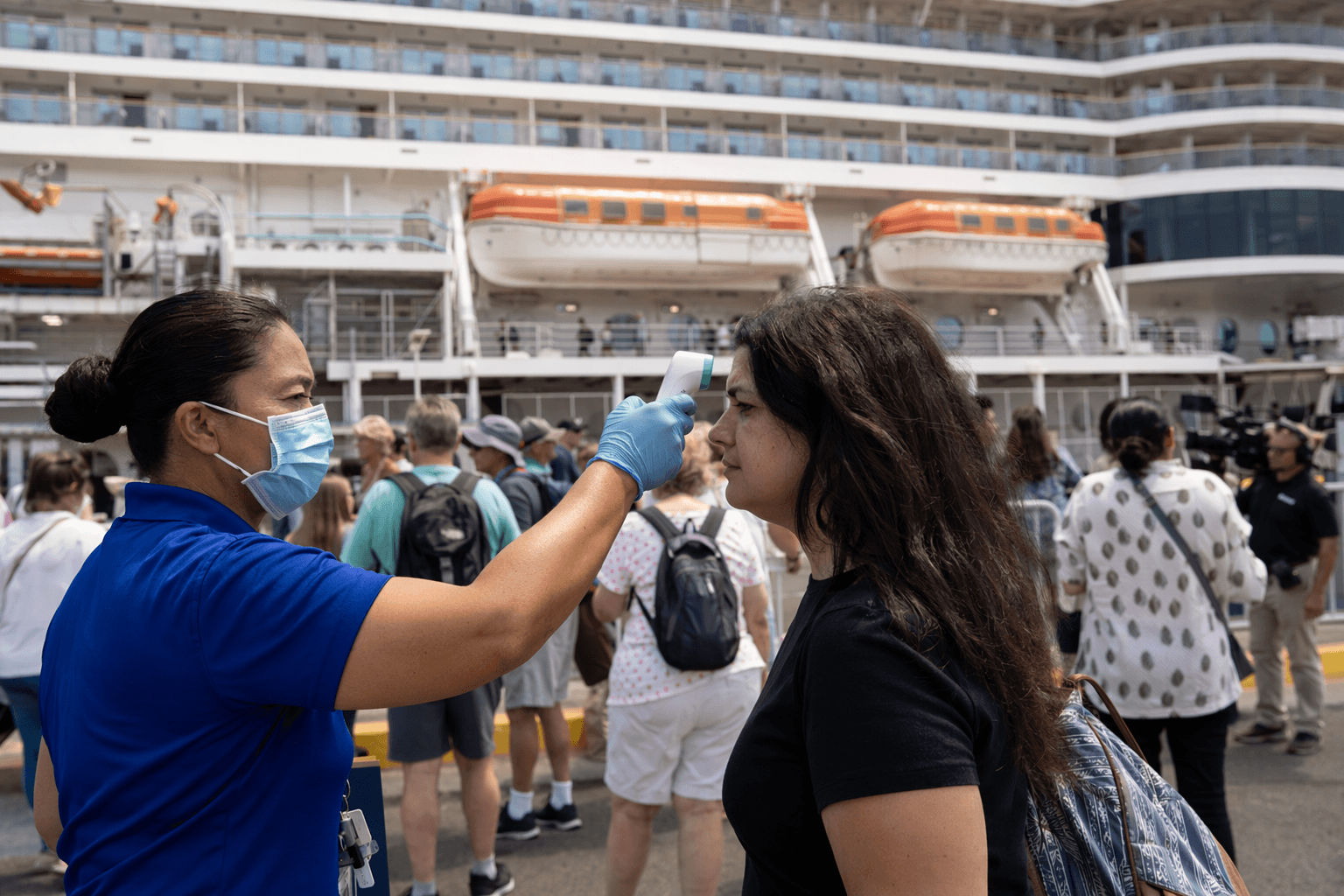
Governor Josh Green said the outbreaks are a reminder to keep investing in public health and remain vigilant. For Big Island families, the practical concern is not everyday community spread but travel-linked exposure, especially for anyone returning from the Democratic Republic of the Congo, Uganda or other affected areas, then developing a concerning illness soon after arrival in Hawaii County.
Health officials are also watching an Andes virus outbreak linked to a cruise ship in the Atlantic Ocean that began in early April and had caused three deaths by May 7. The CDC said eight cases had been reported, five confirmed, and that Andes virus is the only hantavirus known to spread from person to person. Even so, the agency said the risk to the American public and travelers is extremely low, and the World Health Organization said the general public risk is very low.
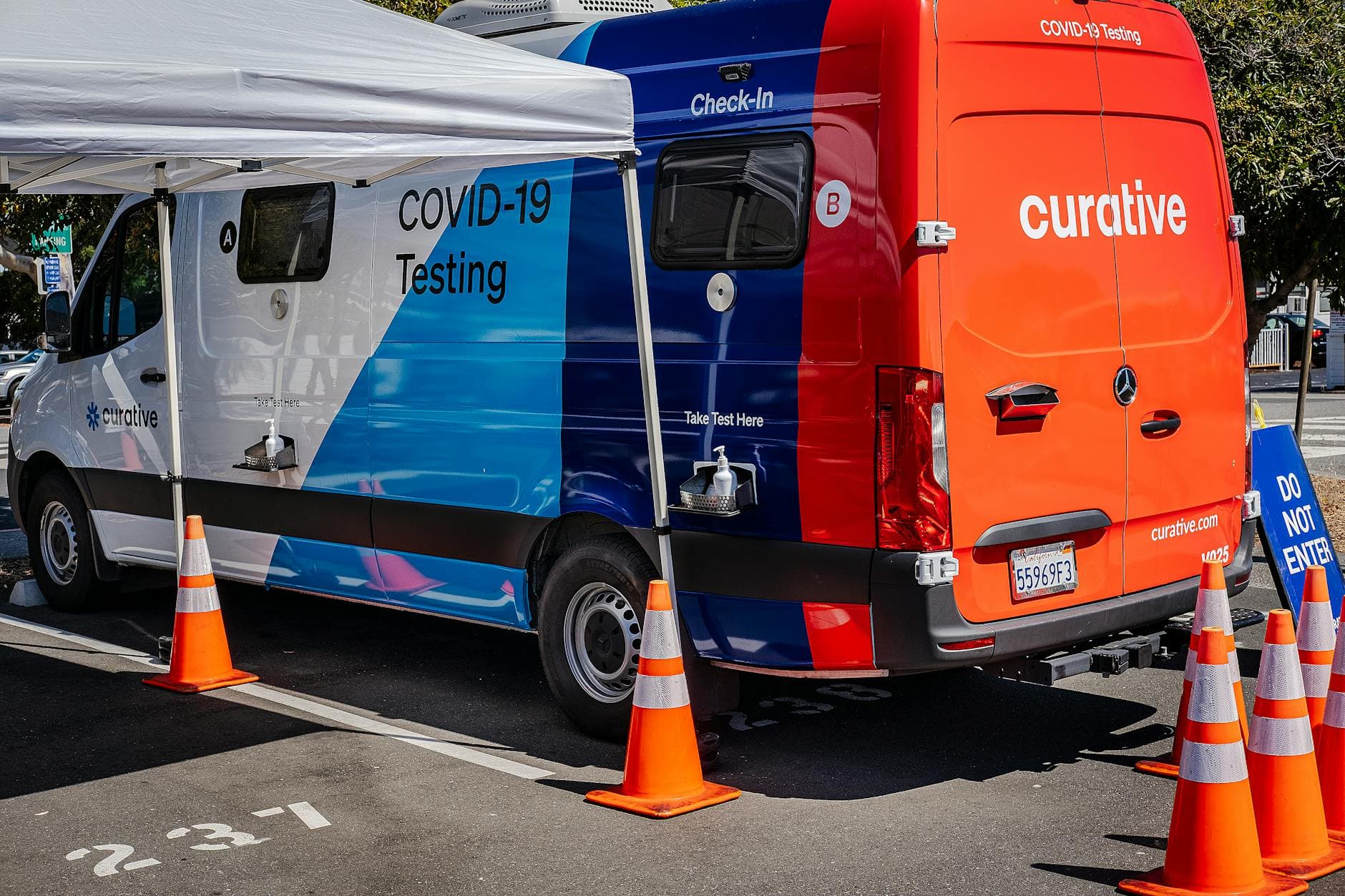
Hawaii’s Department of Health said Ebola does not occur naturally in the United States. It also said people who recover from Ebola develop antibodies that last for at least 10 years. The state’s Disease Outbreak Control Division is charged with monitoring, investigating, preventing and controlling infectious diseases, and its medical advisory page has recently listed alerts for measles, mpox, dengue, pertussis and tuberculosis. On Hawaii Island, that broad surveillance network is the real safeguard: if a credible case ever reached Hilo, Kona or another part of the island, the clock on public notification, testing and isolation would start immediately.
Know something we missed? Have a correction or additional information?
Submit a Tip