Hawaiʻi National Cemetery Act Introduced to Create New Veterans Burial Option
Legislation introduced to create a new national veterans cemetery in Hawaiʻi to address capacity limits at Punchbowl. This would reduce travel for Big Island veterans and families.
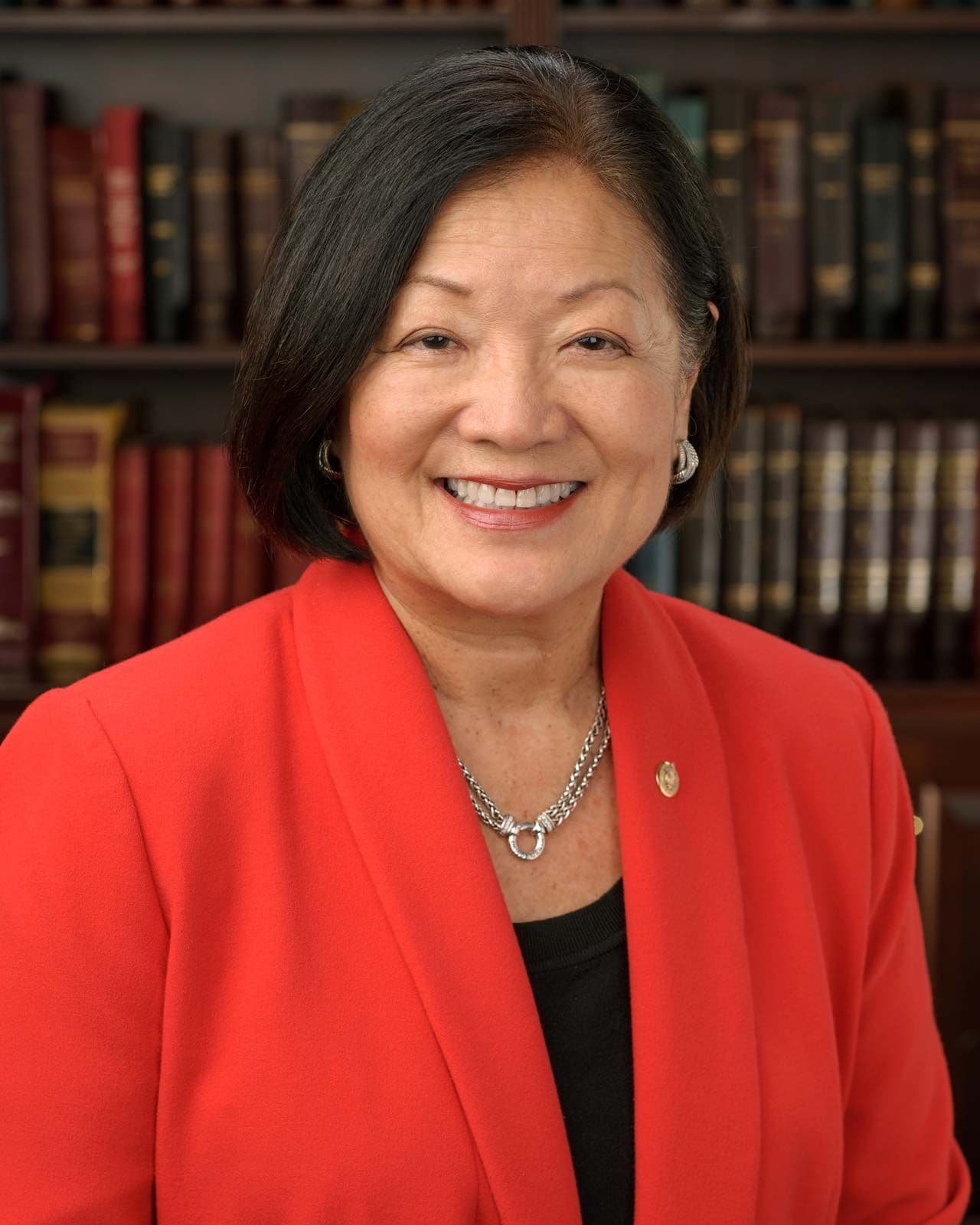
U.S. Sen. Mazie Hirono and U.S. Representatives Ed Case and Jill Tokuda introduced the Hawaiʻi National Cemetery Act on Jan. 18, 2026, directing the U.S. Department of Veterans Affairs Secretary to establish a new national veterans cemetery in the state. The measure responds to growing constraints at the National Memorial Cemetery of the Pacific on Oʻahu, currently the only national cemetery in Hawaiʻi.
The National Memorial Cemetery of the Pacific, commonly known as Punchbowl, has been functionally closed to in-ground burials since 1991 and is projected to stop accepting cremated remains by 2036. Those capacity limits leave veterans from the neighbor islands with limited options for burial under national veterans cemetery benefits, creating travel and logistical burdens for families who seek interment close to home.
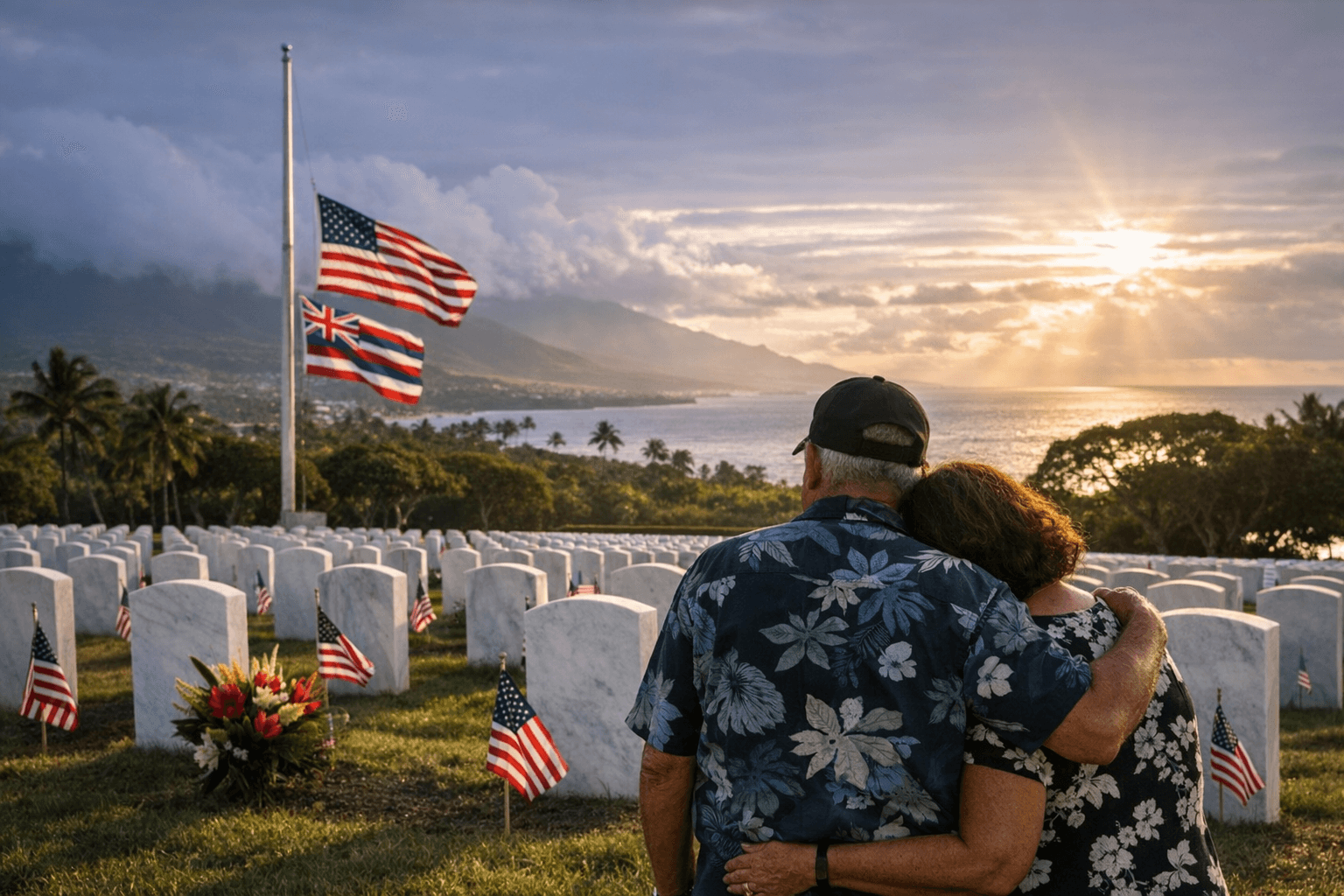
Hirono, Case and Tokuda framed the bill as a federal response to an emergent access gap. The legislation would require the VA Secretary to identify and establish a national cemetery site within the state, creating a local option for eligible veterans and their families. Establishing a new national cemetery in Hawaiʻi would align burial access with federal commitments to veterans while reducing the need for long-distance travel to Oʻahu or the mainland.
The proposal raises familiar policy and institutional questions for Big Island County. A new national cemetery would involve federal site selection, potential land acquisition, infrastructure development and long-term maintenance funded through the Department of Veterans Affairs. Passage of the Hawaiʻi National Cemetery Act would require approval by congressional committees, votes in both the House and Senate and the president’s signature before the VA could move forward with implementation. The bill places the initial directive with the VA Secretary, but real-world outcomes will depend on appropriations and federal project timelines.
For Big Island veterans and their ohana, the practical effects are immediate in scope. A local national cemetery would reduce travel time and costs, ease the logistical burden of burial arrangements and preserve options for traditional services close to family and community. The measure also touches on broader civic considerations - how state and federal agencies plan for aging veteran populations and how lawmakers prioritize neighbor island access to federal services.
Next steps include committee review and floor consideration in Congress. Residents concerned with burial access and veterans services can follow the bill’s progress in Washington and engage with the Hawaiʻi delegation as the measure moves through the legislative process. The outcome will determine whether future generations of veterans in Big Island County will be able to choose a national cemetery closer to home.
This article was produced by Prism’s automated news system from verified source data, official records, and press releases, then run through automated quality and moderation checks before publishing. The system is built and supervised by the people who set the standards it runs under. Read our full AI policy.
Did this article answer your question?