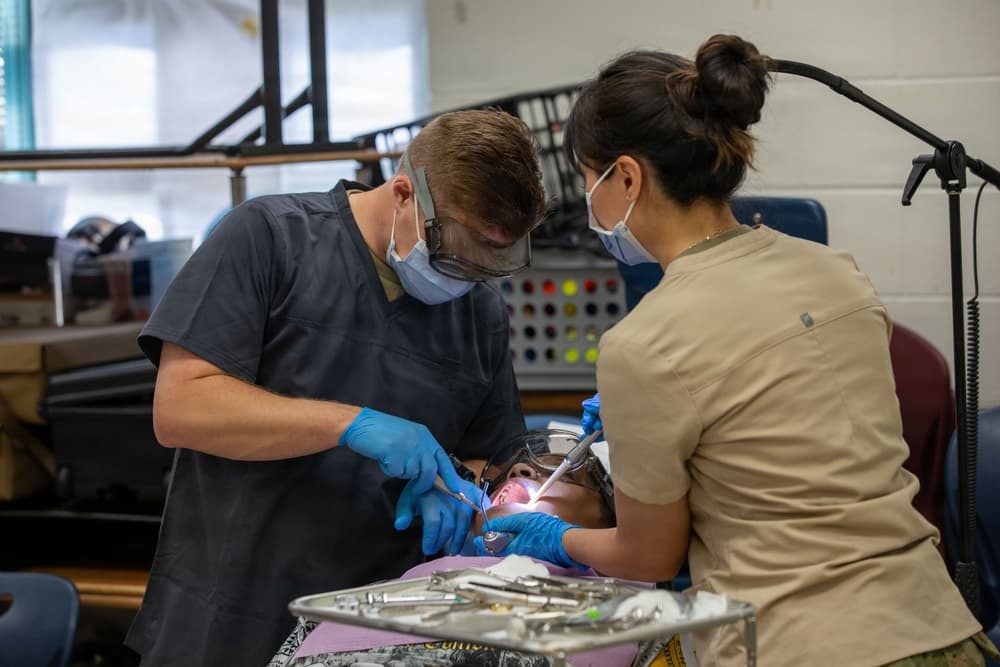
Hawaiʻi Permanente Medical Group Marks 65 Years of Integrated Care
Hawaiʻi Permanente Medical Group celebrated its 65th anniversary on Jan. 2 with a ceremony and official proclamations recognizing decades of service, innovation and leadership in health care. The milestone highlights gains in care coordination, workforce diversity and training programs that matter to Big Island County residents who rely on integrated systems for access and continuity of care.
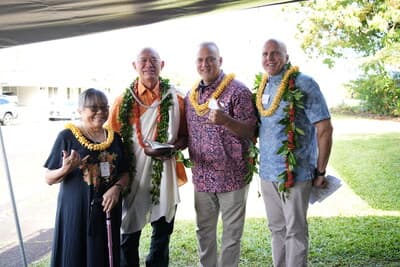
Honolulu-based Hawaiʻi Permanente Medical Group marked its 65th anniversary on Jan. 2, bringing state and city officials together to recognize the organization’s long-running role in delivering team-based care across the islands. Founded in 1960 by a small group of physicians committed to integrated, coordinated care, the group now comprises nearly 800 physicians and advanced practice providers caring for more than 270,000 Kaiser Permanente members statewide.
The anniversary event included official proclamations from state and municipal leaders, underscoring the group’s influence on Hawaii’s health system and its potential impact for residents of Big Island County. As health systems grapple with workforce shortages, rising chronic disease and health inequities, the group’s emphasis on integrated care and clinician training offers a model for improving access and continuity.

“Sixty-five years ago, a small band of physicians believed Hawaii could have a different kind of health care, coordinated across specialties, centered on the whole person,” said John Yang, MD, president and medical director of Hawaiʻi Permanente Medical Group.
The group highlighted several milestones during the anniversary year that have public health implications. Early adoption of electronic medical records aimed to improve care coordination and reduce duplication of services. The launch of an internal medicine residency and a physician assistant fellowship creates local training pipelines that can help address clinician shortages in rural and underserved communities, including on the Big Island. Progressive programs supporting physician wellness and the achievement of gender parity among medical staff address workforce sustainability and equity, factors linked to better patient care over time.
National recognition for clinical excellence and health equity adds context to these internal advances. In 2025 Castle Connolly ranked the group No. 3 in the United States for Asian American and Pacific Islander representation, a notable metric in a state where cultural competence and representation affect patient trust and outcomes.
For Big Island County residents, these developments matter in practical ways. Integrated, team-based care and robust electronic records can smooth transitions between specialists and primary care, which is critical for managing chronic conditions common on the island. Local training programs increase the likelihood that newly trained clinicians will remain in Hawaii, helping to stabilize primary and specialty care access. Efforts toward health equity and workforce diversity can improve cultural responsiveness and reduce barriers for Native Hawaiian and other Pacific Islander patients.
As Hawaiʻi Permanente Medical Group looks ahead, its focus on coordinated care, workforce development and equity will continue to influence how health services are delivered across the islands and how local communities access care during a period of ongoing health system challenges.
This article was produced by Prism’s automated news system from verified source data, official records, and press releases, then run through automated quality and moderation checks before publishing. The system is built and supervised by the people who set the standards it runs under. Read our full AI policy.
Did this article answer your question?