Hawaii reviews gun law fallout after Supreme Court ruling on private property concealed carry
A 6-3 Supreme Court ruling changed where Hawaii concealed-carry permit holders can go, and Hilo stores and Kona gas stations are now part of the enforcement question.
The U.S. Supreme Court struck down Hawaii’s default rule requiring concealed-carry permit holders to get express permission before bringing guns onto private property open to the public, a decision that put everyday Big Island stops, from Hilo stores to Kona gas stations, into a new legal gray area. The 6-3 ruling in Wolford v. Lopez came down June 25 and directly addressed whether Hawaii could keep that default ban in place on property open to the public without an owner’s affirmative consent.
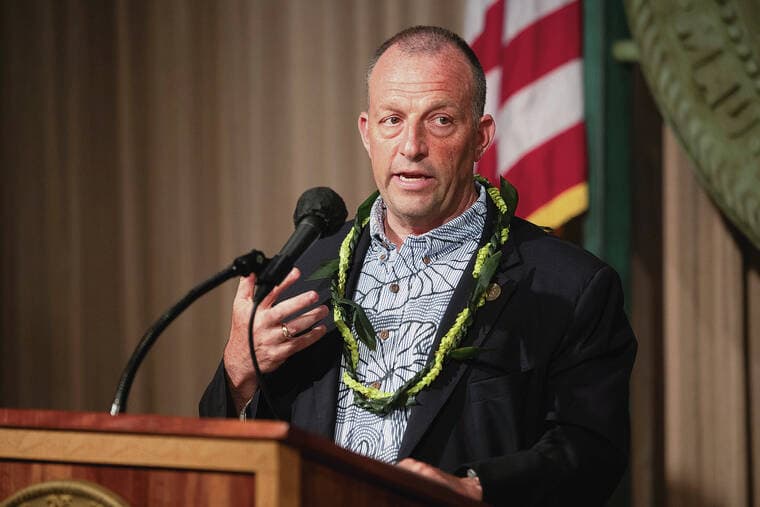
In Honolulu, the Attorney General’s office is reviewing the ruling and urging the public to keep following current Hawaii law for now. Gov. Josh Green will abide by the court’s decision, while also arguing that people who carry guns in public should carry liability insurance, a view he tied to his years as an emergency room doctor and to gunshot deaths in his family. The ruling does not erase Hawaii’s other gun laws, including sensitive-place restrictions, licensing requirements, prohibited possession rules and other public-safety measures.
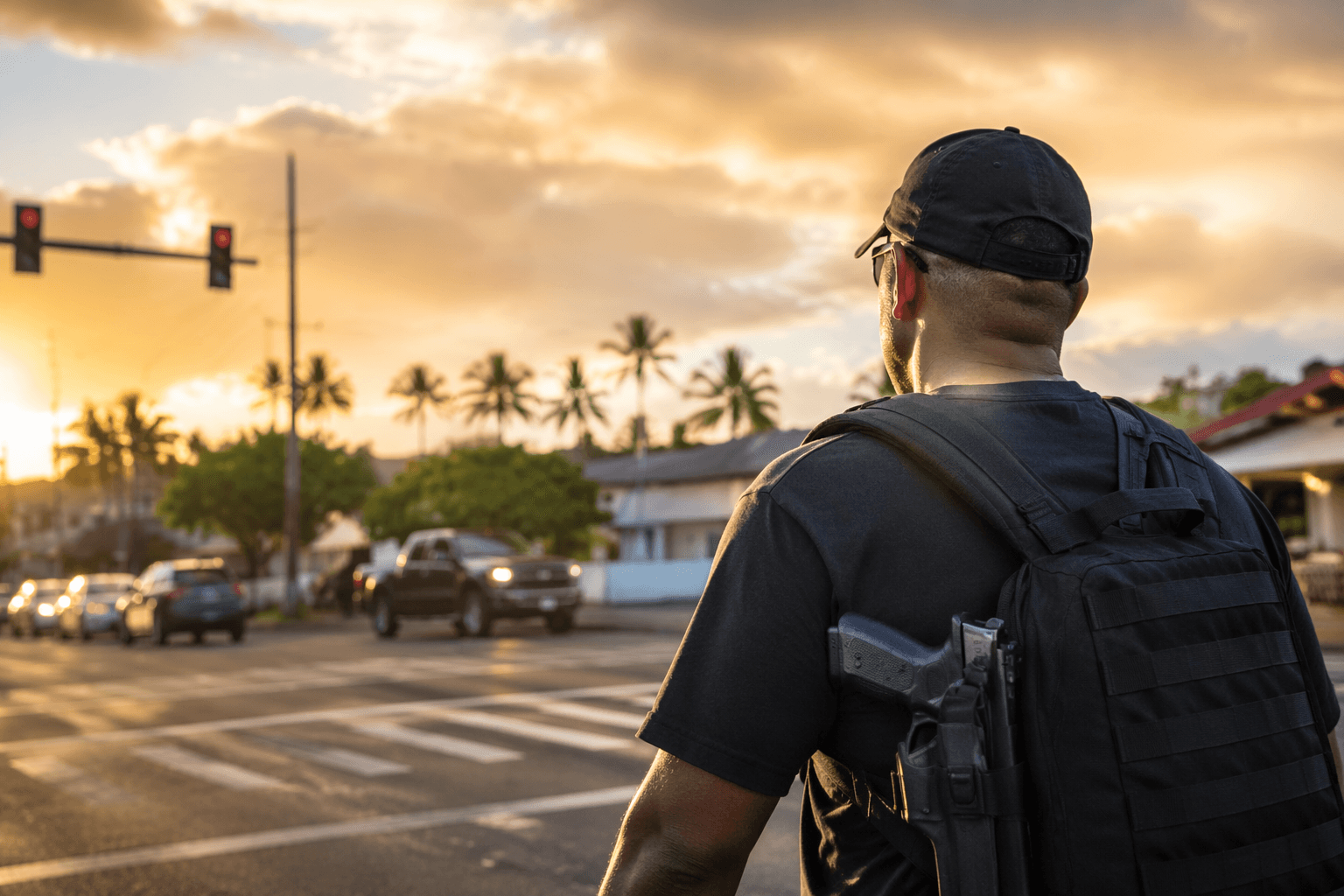
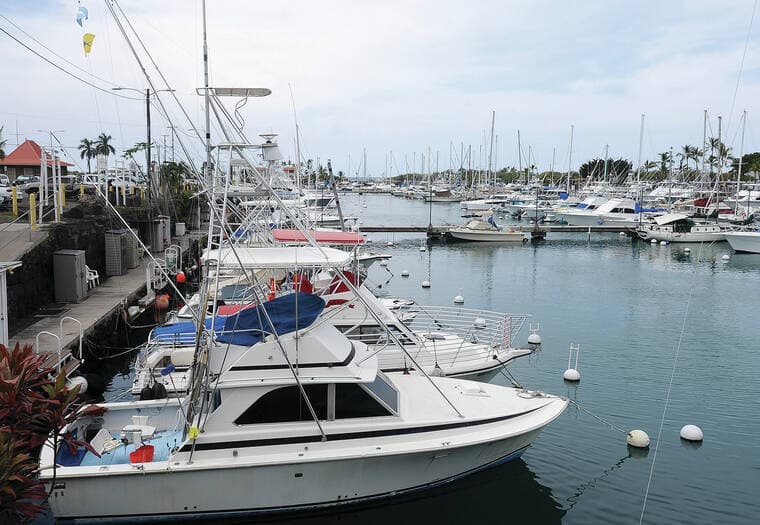
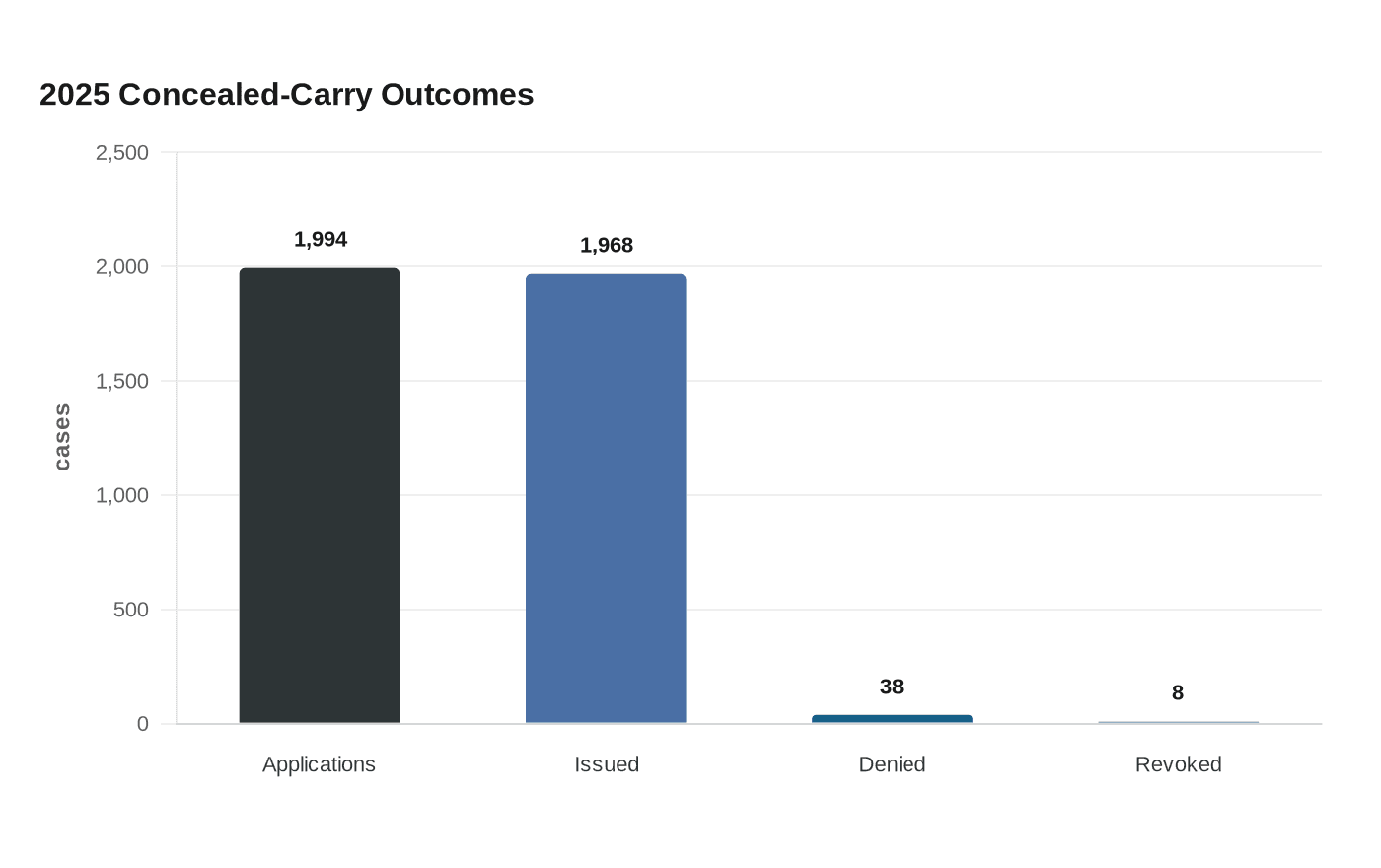
That leaves Hawaii County residents, police and prosecutors with a narrower but still unsettled question: what happens at places people enter every day. The court said Hawaii’s law had swept in ordinary destinations such as gas stations, restaurants and stores. Hawaii’s annual firearms report puts the statewide total at 3,764 active concealed-carry licensees as of Dec. 31, 2025, equal to 0.34% of residents age 21 or older and up 70.5% from 2,207 a year earlier. County police departments received 1,994 new concealed-carry applications in 2025, issued 1,968 licenses, denied 38 applications and revoked eight licenses.

Hawaii County accounted for 17.4% of statewide concealed-carry licensees in the annual report, a larger share than Maui County’s 6.3%.
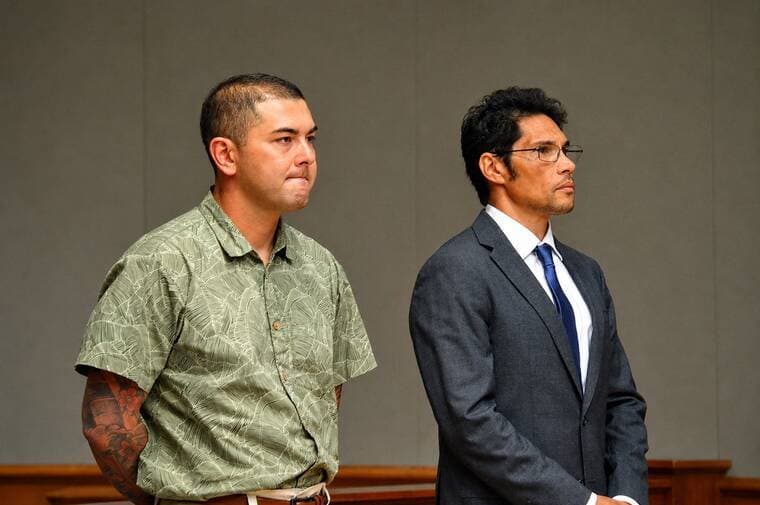
The law at the center of the case was part of Act 52, signed by Green in 2023 after the Supreme Court’s Bruen decision. Hawaii’s attorney general had defended the law after the Ninth Circuit, in case 23-16164, upheld the default rule and multiple sensitive-place restrictions on Sept. 6, 2024, before the dispute reached the high court as No. 24-1046. The petitioners were Jason Wolford, Alison Wolford, Atom Kasprzycki and the Hawaii Firearms Coalition.
This article was produced by Prism’s automated news system from verified source data, official records, and press releases, then run through automated quality and moderation checks before publishing. The system is built and supervised by the people who set the standards it runs under. Read our full AI policy.
Did this article answer your question?