Hawaii secures $322,000 to boost plant pathogen detection
Hawaii landed more than $322,000 to hunt plant diseases earlier, a move meant to protect Big Island nurseries, coffee and native forests from costlier outbreaks.
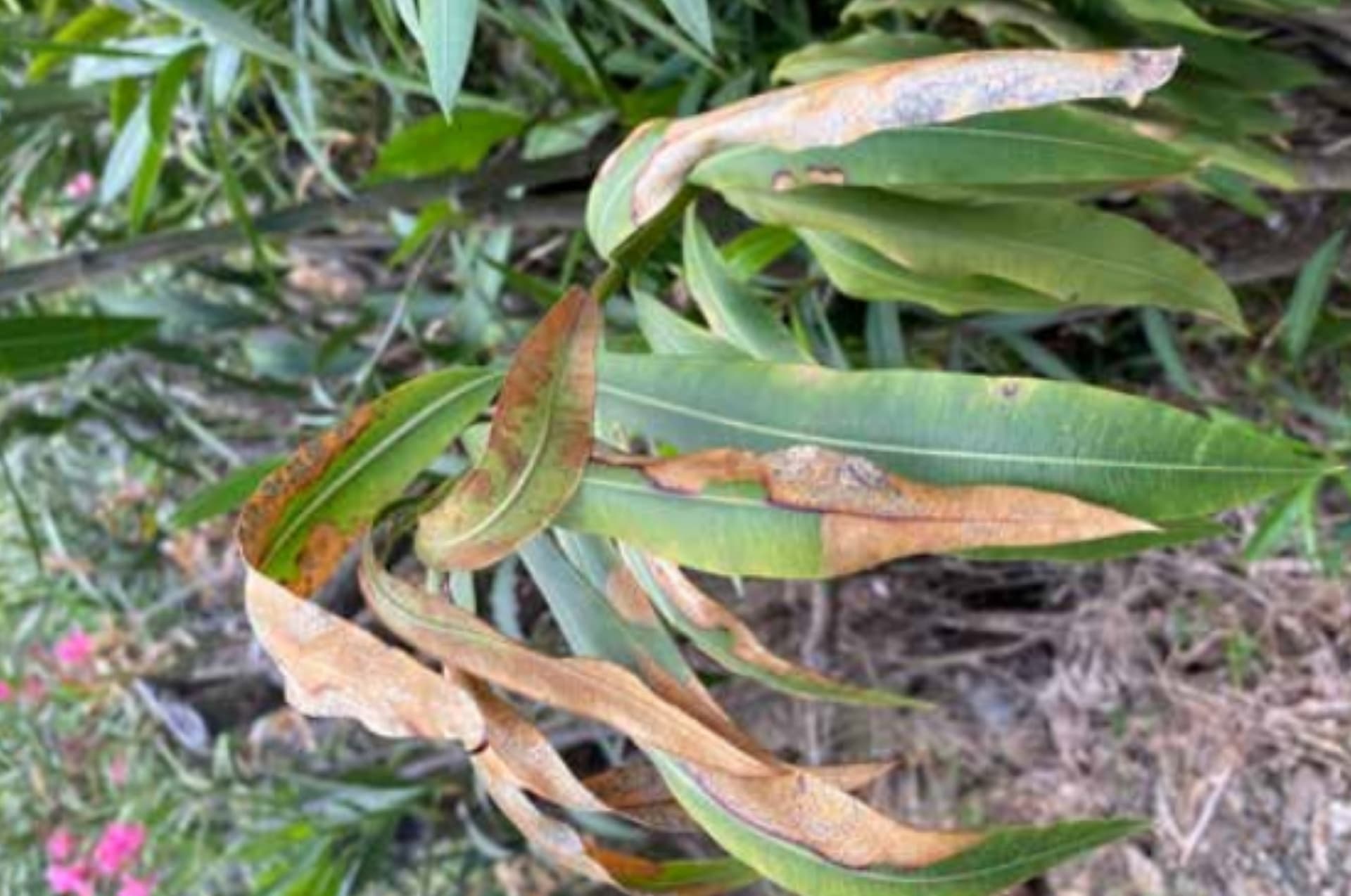
Hawaii agriculture and the University of Hawaii won more than $322,000 in federal funding to sharpen the state’s ability to spot plant diseases before they spread through Big Island farms, nurseries and native ecosystems.
The money, announced May 14 and backed by the USDA’s Plant Protection Act Section 7721 program, will support two projects: a nursery and ornamental survey and a machine-learning decision-support tool for phytopathogen risk assessments. Dr. Josiah Marquez, Hawaii Department of Agriculture and Biosecurity state plant pathologist, is leading the work with Garrett Roell, Huaijin Chen, Alberto Ricordi, Marian Luis and Jing Zhou.
For Hawaii Island, the stakes run from coffee and cacao to landscaping operations and ōhia forests. The state said the projects will combine plant-host, climate and international trade pathway data to improve predictive risk modeling and strengthen statewide surveillance, giving inspectors and researchers a better shot at catching threats before they become entrenched in the island’s growing areas.
Sharon Hurd, chairperson of the Board of Agriculture & Biosecurity, said Hawaii sits at "one of the world’s most strategically important agricultural crossroads," and said the investment would help identify emerging threats before they become costly impacts to agriculture, natural resources and trade. Marquez said Hawaii’s position between Asia and the Americas makes it a "potential gateway for invasive species introductions between East and West," and said the effort would help close a critical gap in biosecurity risk detection.

The funding builds on a longer system already in place at the Department of Agriculture and Biosecurity. Its Plant Pathology Unit says it provides diagnostic services, public education, statewide surveys and risk assessments, while maintaining a plant disease clinic and a phytopathogen database assembled from 15 sources. The department says George Parris compiled the first Hawaii phytopathogen checklist in 1940, and a separate poster says Nathan A. Cobb documented an earlier checklist in 1906.
Hawaii’s quarantine system dates back to 1888, when King David Kalākaua blocked new coffee plants from entering the islands to protect the industry. Two years later, laws were enacted to stop injurious insect pests and plant diseases, and the department now calls the Plant Quarantine Branch the state’s "First Line of Defense." The new grant extends that century-old logic into a more data-driven era, where faster detection can spare Hawaii Island growers and ecosystems far greater damage later.
This article was produced by Prism’s automated news system from verified source data, official records, and press releases, then run through automated quality and moderation checks before publishing. The system is built and supervised by the people who set the standards it runs under. Read our full AI policy.
Did this article answer your question?