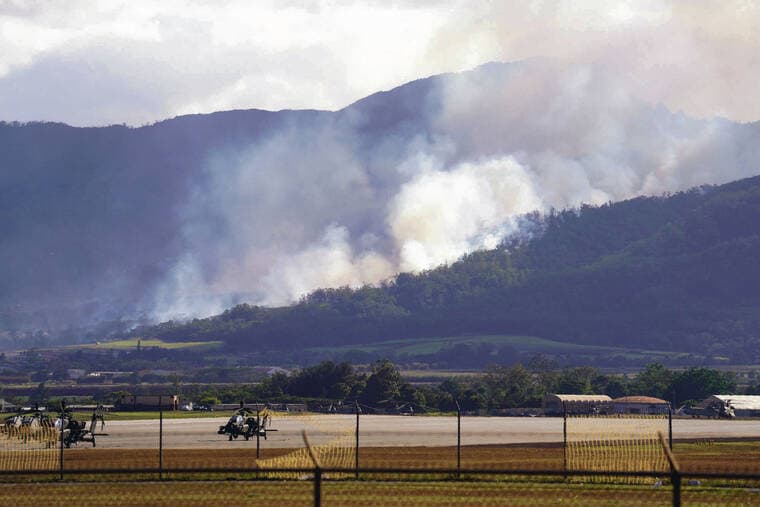
HDOT declares Saddle Road traffic emergency zone after fatal crashes
Five deaths on Saddle Road pushed HDOT to fast-track rumble strips, cameras and drainage work on the Hilo-Kona corridor.
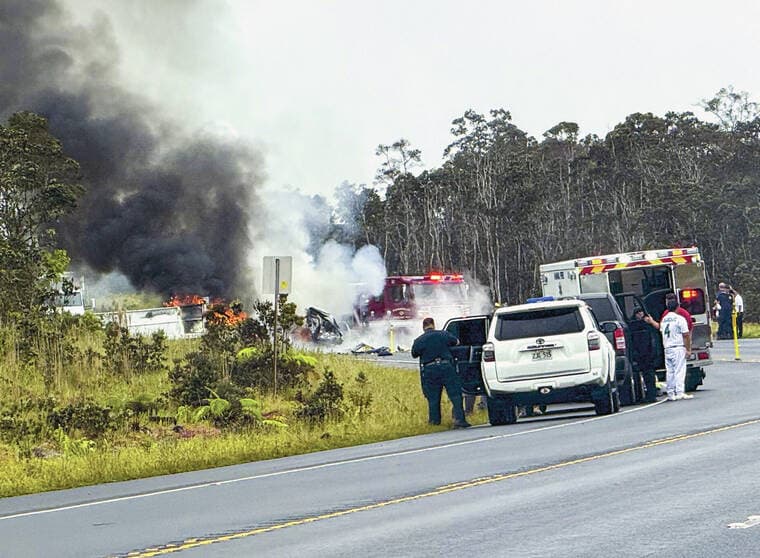
HDOT has put Daniel K. Inouye Highway, better known as Saddle Road, into a traffic emergency zone from mileposts 5.5 to 28, a move that lets the state speed up safety work and cut through some procurement and permitting delays. For drivers who use the Hilo-Kona corridor every day, the change means more visible engineering fixes, more police presence and a push toward automated speed warnings as the state tries to slow the fastest drivers on one of the Big Island’s most heavily used roads.
The declaration came after a deadly June 4 crash near the 18-mile marker, when a westbound 2003 Toyota 4-Runner hydroplaned on a curve and was struck by a 2024 Ford F-450 commercial truck. HDOT’s slide presentation says the corridor has had 10 fatal crashes and 13 deaths since 2021, and officials have pointed to a mix of causes: police said nine of the 10 most recent Big Island traffic fatalities involved unsafe behaviors such as speeding, impairment, seat belt nonuse or distraction, while wet roads or rainy conditions have been a factor in five of the 10 fatal crashes on the highway. HDOT also said drivers have been recorded at speeds as high as 109 mph on the route.
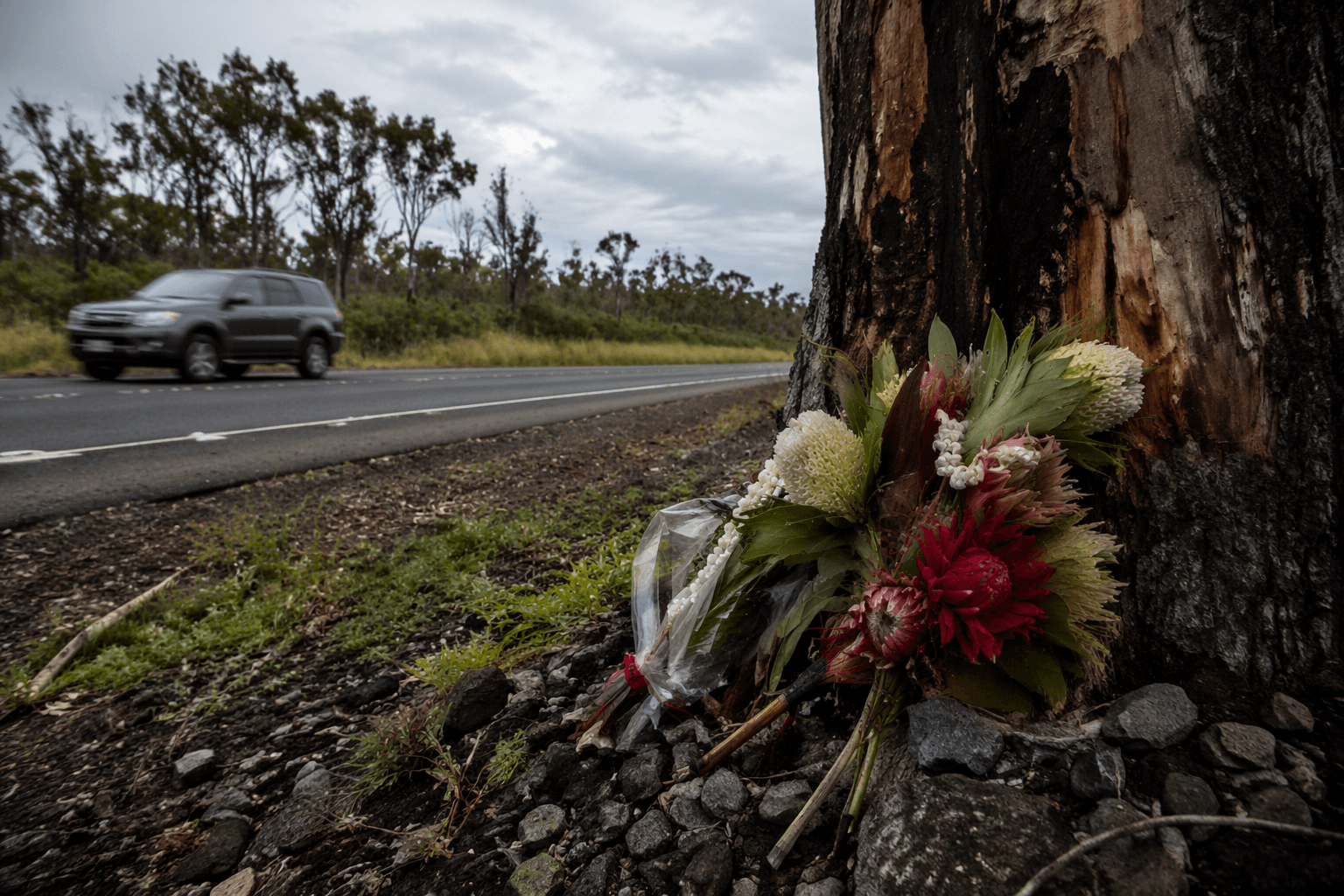
The worst recent crashes have clustered at familiar trouble spots. A May 15 double fatal collision near the 13-mile marker killed two people after a westbound pickup lost control on the wet highway negotiating a curve. A May 5 crash on the same road left two men dead. In October 2025, a fiery head-on collision near the 25-mile marker killed one woman, seriously injured five others and later claimed the life of a three-week-old infant. Taken together, those wrecks make clear why officials are treating the corridor as both a road-design problem and a driver-behavior problem.
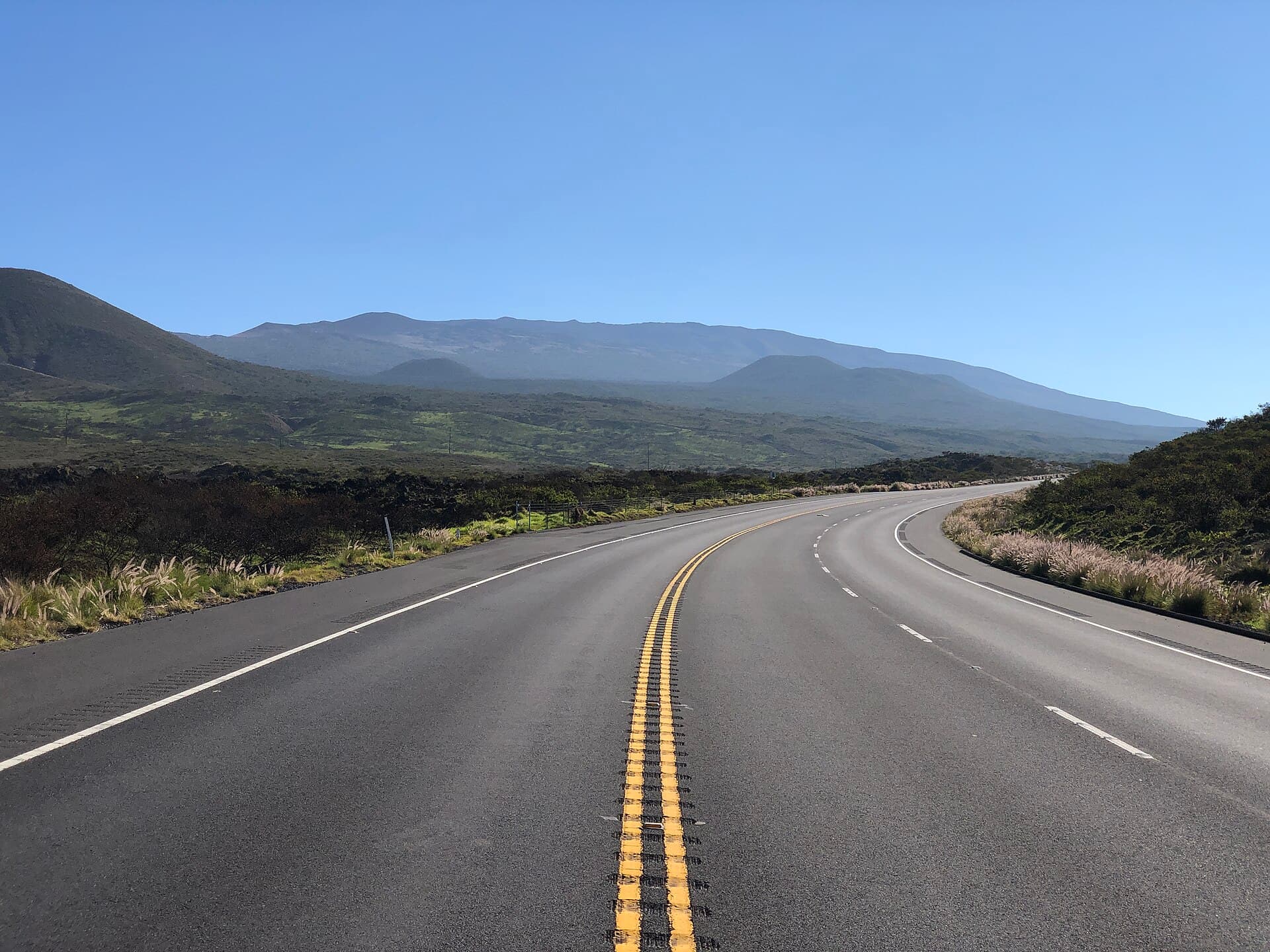
Commuters should expect work to show up quickly. HDOT began a lane closure June 6 between mileposts 10 and 19 to mill the pavement and install open-graded friction course, with alternating traffic control, a 45 mph work-zone speed limit and a pilot car possible during construction. The state says that surface is meant to improve drainage and reduce hydroplaning, while the emergency zone also clears the way for in-lane thermoplastic rumble strips, additional chevron signs, wet-weather striping and speed safety cameras that issue warnings to drivers traveling more than 11 mph over the limit. Longer-term ideas under review include a divided highway, medians within the existing right of way and alternate passing lanes.
This article was produced by Prism’s automated news system from verified source data, official records, and press releases, then run through automated quality and moderation checks before publishing. The system is built and supervised by the people who set the standards it runs under. Read our full AI policy.
Know something we missed? Have a correction or additional information?
Submit a Tip