Health department retests Honokohau Harbor after elevated bacteria sample
A state sample at Honokohau Harbor found 207 bacteria units, above Hawaii’s swim-water limit, and health officials retested the site June 2.
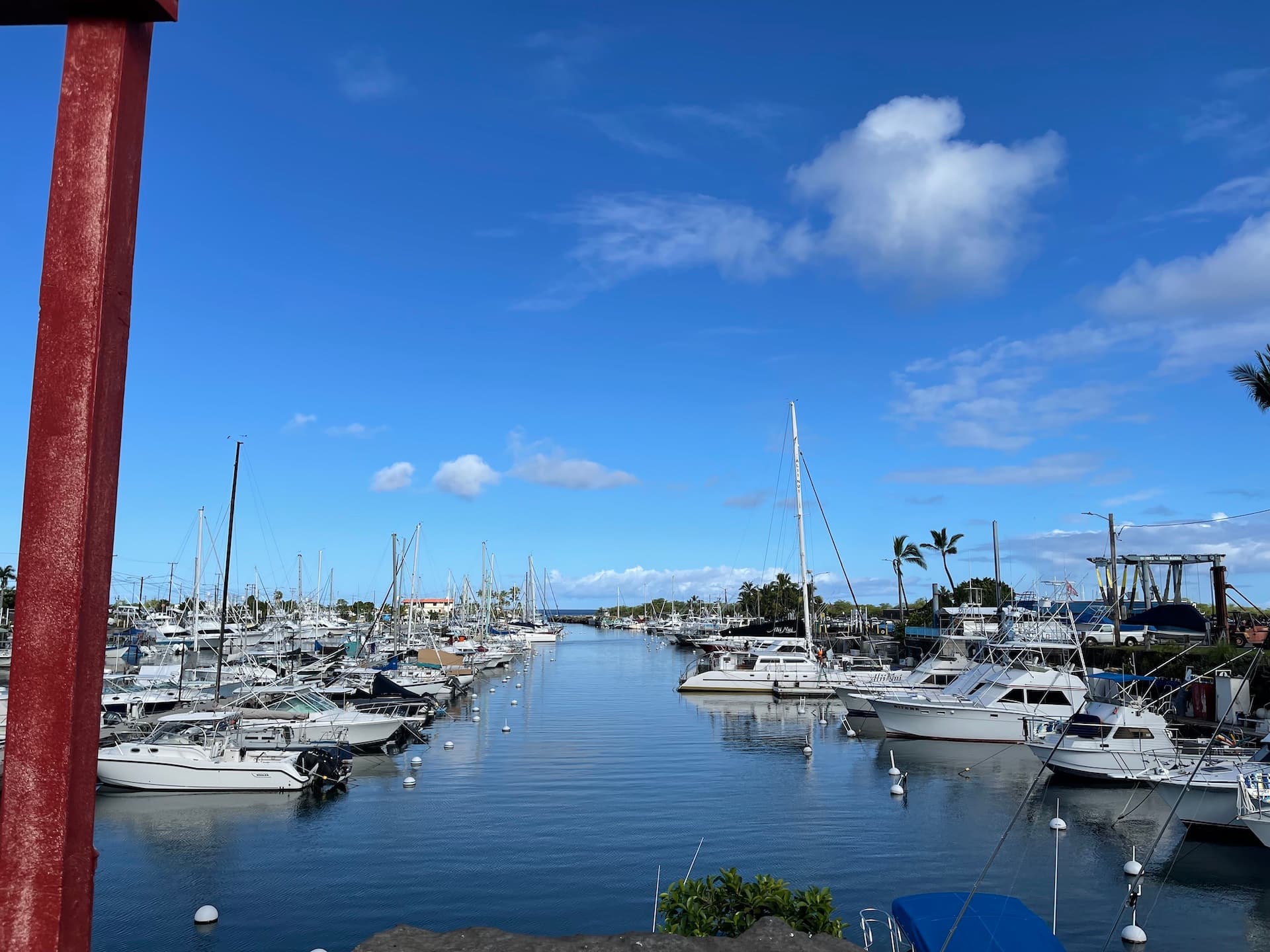
Swimmers, waders, paddlers and anyone planning time in Honokohau Harbor had reason to pause after a routine sample came back with 207 enterococci per 100 milliliters of water, above Hawaii’s recreational threshold.
In plain language, enterococci are bacteria the state uses as a warning sign for possible fecal contamination. The Hawaii Department of Health says its Beach Action Value is 130 per 100 milliliters, and that level is tied to an estimated 36 illnesses per 1,000 swimmers or waders.
The Clean Water Branch responded by collecting a follow-up sample rather than treating the first reading as the final word. Health officials said Honokohau Harbor has historically met state water-quality standards and no known fecal contamination source has been identified in the area, so the harbor was being watched and retested instead of immediately treated as a confirmed closure.
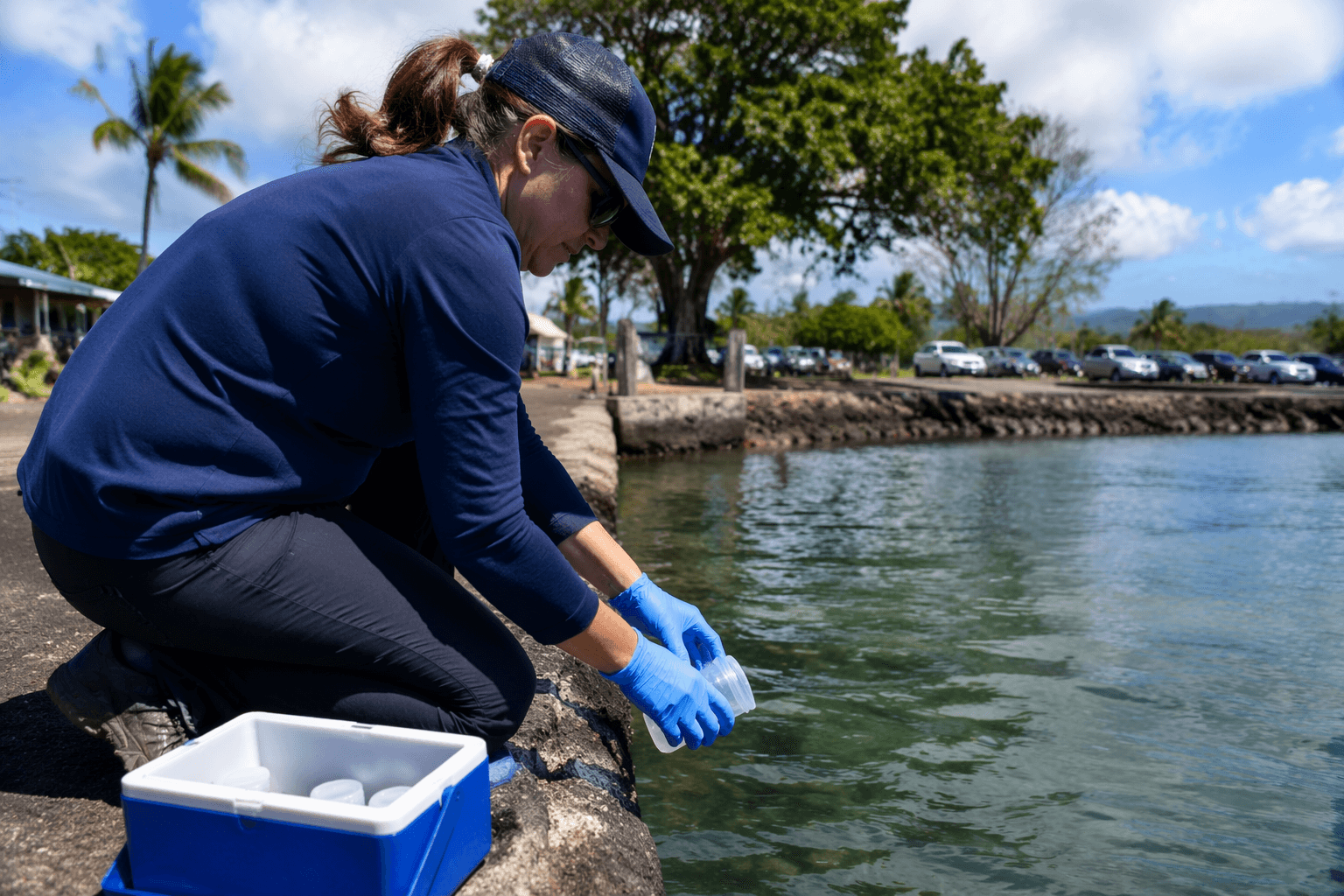
The state environmental health portal listed a High Bacteria Count Notification at Honokohau Harbor, south, Hawaii, posted June 2. Third-party tracking later showed the notice had been detected that day and cleared June 3, underscoring how quickly conditions can change at a busy West Hawaii harbor. The department’s beach-monitoring program says it issues public notifications when indicator bacteria exceed the state threshold and the result appears reliable enough to warrant confirmation.
For people who use the Kona coast waterfront, the result mattered because Honokohau Harbor is more than a dot on a map. It serves swimmers, boaters, divers and harbor businesses in North Kona, and even a short-lived contamination alert can affect how people move through the area, whether they launch, and how comfortable visitors feel about getting in the water.
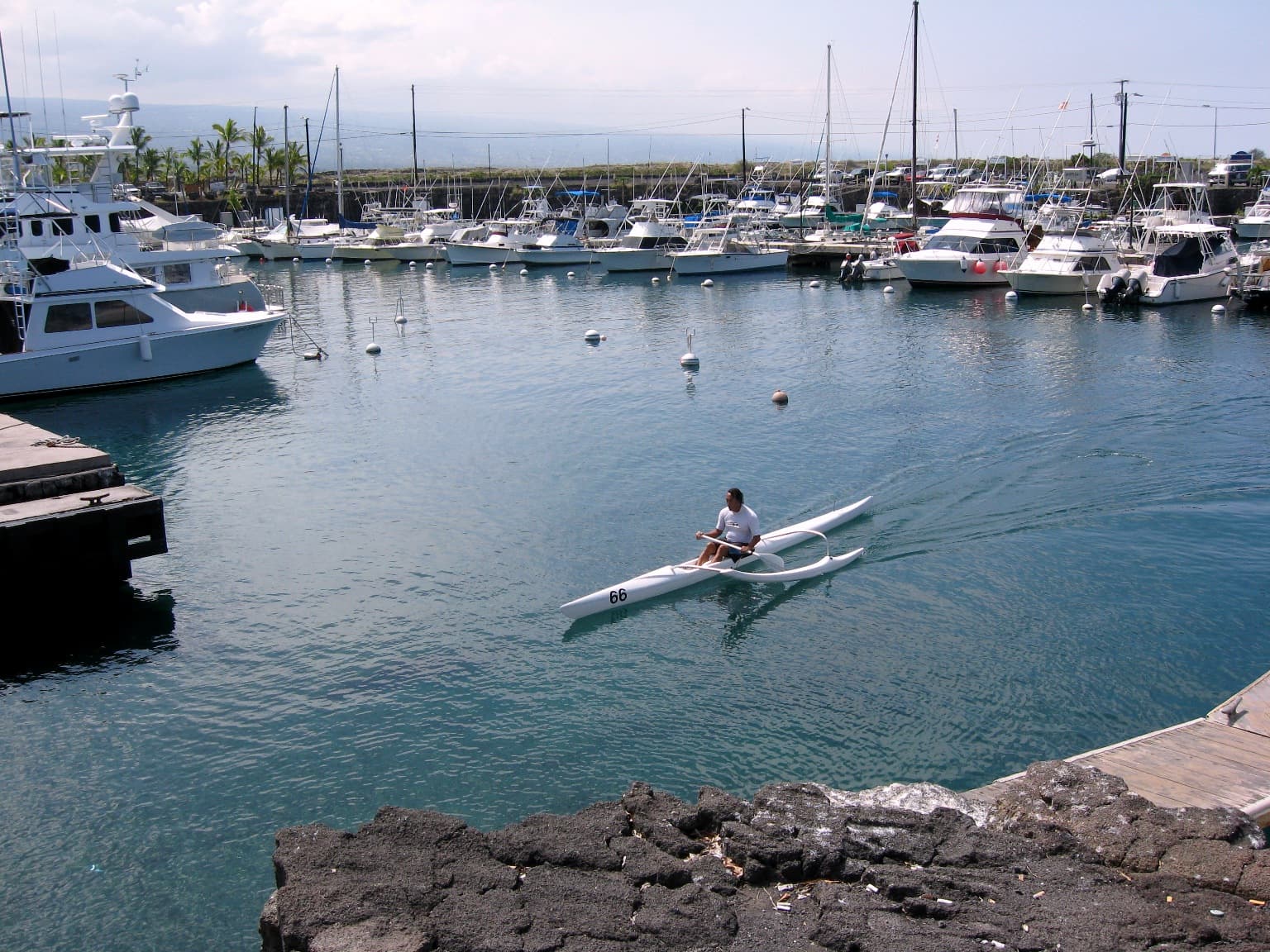
Hawaii’s beach-monitoring system operates under the federal BEACH Act framework of the Clean Water Act and also responds to sewage leaks or spills, heavy rains and other contamination events. The portal showed several other water-quality notices in early June across Oahu, Maui and Hawaii Island, but the Honokohau case stood out locally because one elevated sample was enough to trigger a retest and a fresh look at a harbor that is usually considered in compliance.
This article was produced by Prism’s automated news system from verified source data, official records, and press releases, then run through automated quality and moderation checks before publishing. The system is built and supervised by the people who set the standards it runs under. Read our full AI policy.
Know something we missed? Have a correction or additional information?
Submit a Tip