HMSA payment shift stirs fears of clinic closures on Hawaii Island
Waimea clinics could feel HMSA’s July 1 payment overhaul first, with doctors warning of fewer openings and longer waits on already short-staffed Hawaii Island.
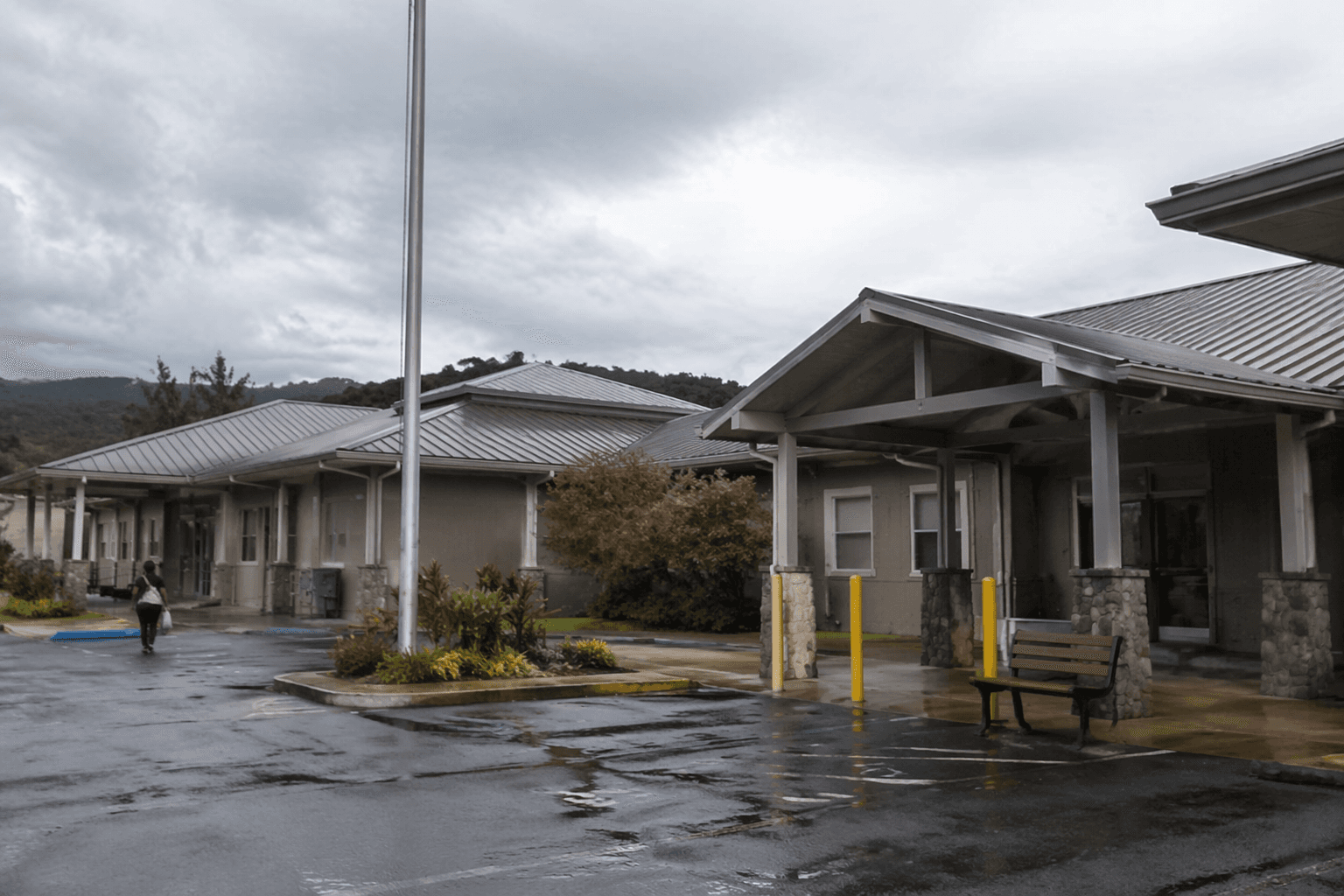
At Waimea Primary Care, the concern is not abstract: an HMSA payment overhaul could determine whether a clinic on Hawaii Island keeps taking patients, trims appointments or closes its doors altogether.
HMSA told primary care doctors in a May 1 letter that it will move from its long-running Primary Care Payment Model to a traditional fee-for-service system effective July 1, giving practices about 60 days to adjust. The insurer’s current model has been in place since 2016, so the change reverses nearly a decade of payment policy rather than making a routine tweak.
Doctors and clinic operators say the timing leaves little room to absorb the disruption, especially because they still do not know the fee schedule or reimbursement rates that will determine whether the new system pencils out. That uncertainty is feeding fears that some smaller practices may scale back or shut down, a shift that could hit rural communities hardest.
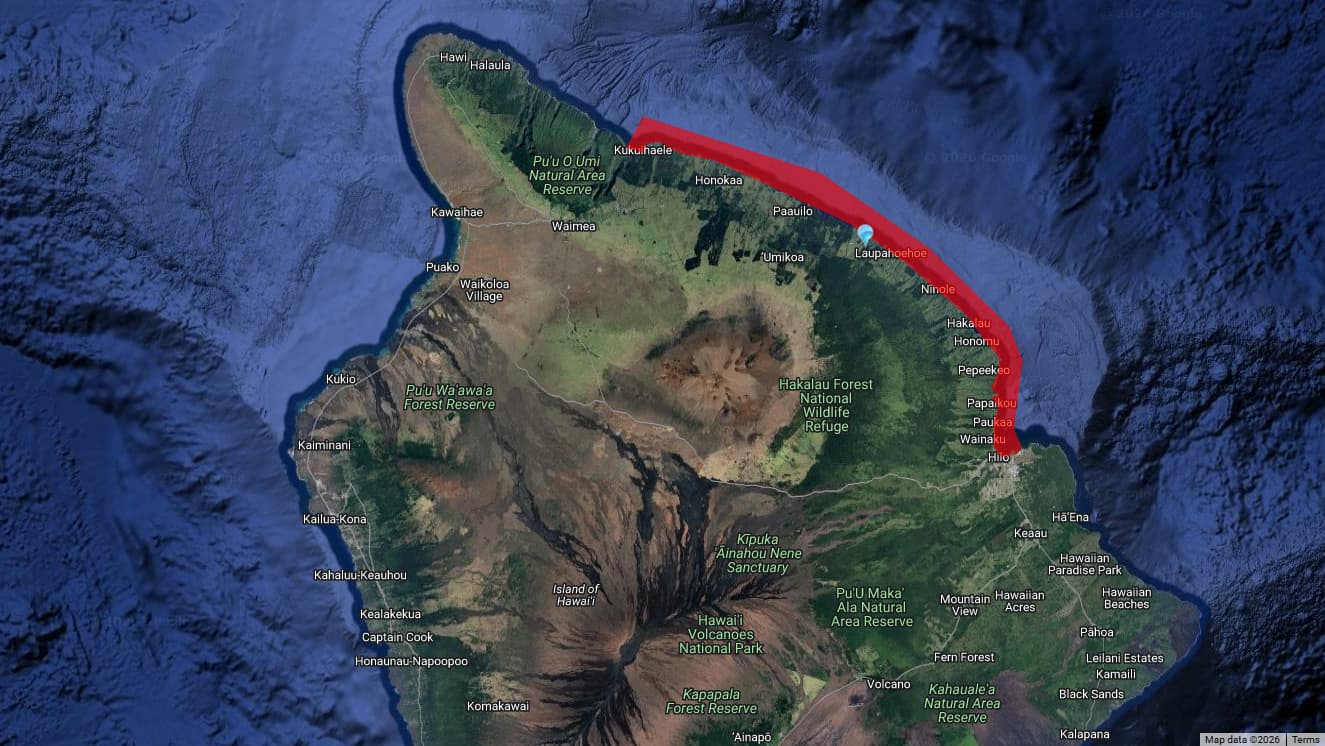
The stakes are especially high on Hawaii Island, where access has long lagged behind demand. A University of Hawaii physician workforce report found Hawaii was short 833 full-time-equivalent doctors statewide in 2025 when geographic realities were included, and primary care remained the biggest statewide gap at 178 full-time-equivalent physicians needed across the islands. A January 2026 report said Hawaii County needed 224 doctors to fill its demand gap, while another January analysis said Hawaii Island was short 21 primary care doctors.
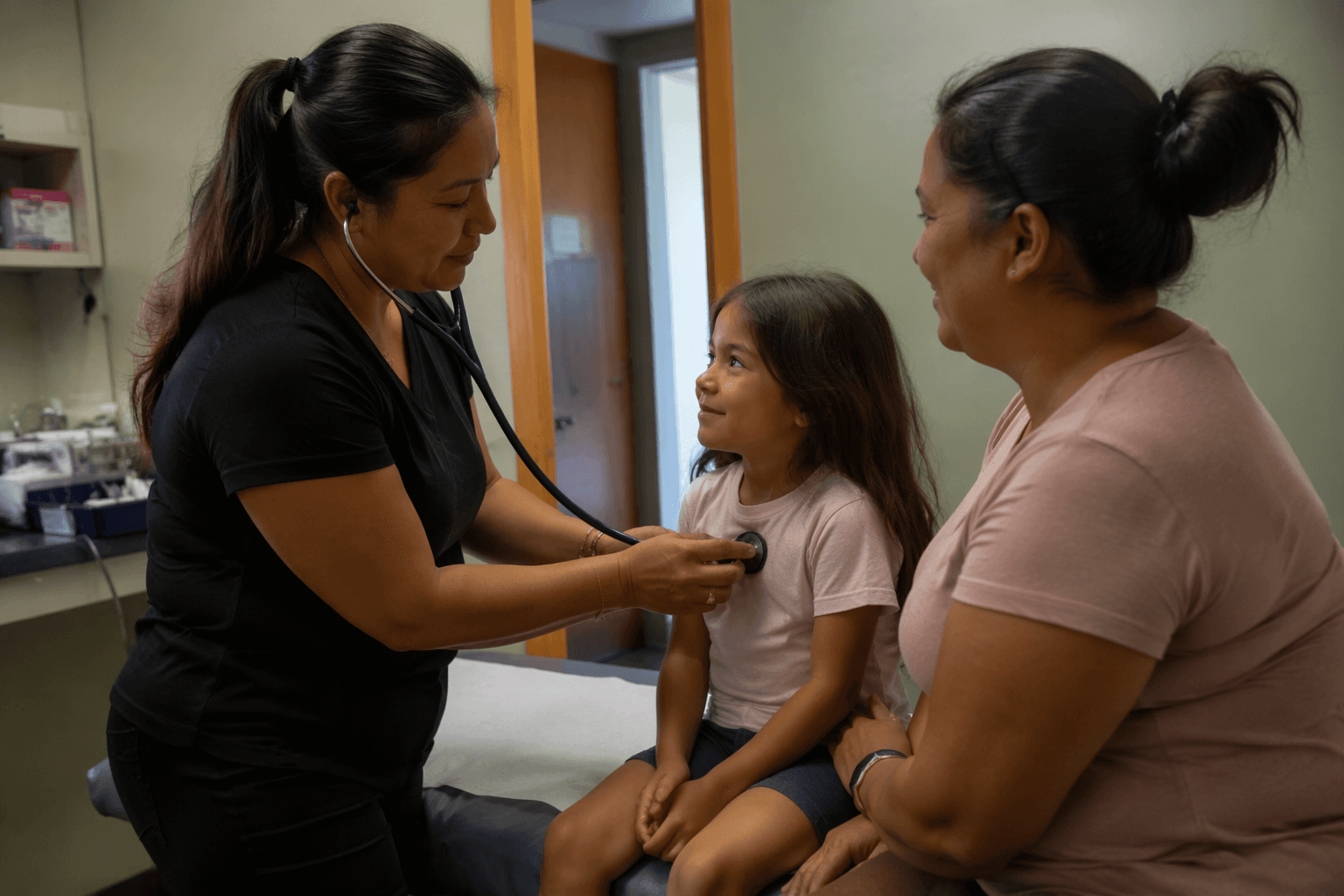
Dr. Kelley Withy, who tracks the state’s physician shortage, has warned that the pressure is already pushing private-practice doctors to consider leaving Hawaii. For patients, that can mean fewer choices for routine care, longer waits for appointments and more dependence on urgent care or emergency rooms when a family doctor is not available.
HMSA says the shift is a response to post-COVID changes in how patients use care, including more emergency and urgent-care visits. But the rollback is landing at the same time HMSA and Hawaii Pacific Health have been promoting One Health Hawaii, a partnership built around risk-sharing and value-based care, making the reversal more striking to many physicians.
For Hawaii Island, the question now is simple and immediate: which services will be harder to get, and how many clinics can stay open long enough to keep caring for the island’s patients?
This article was produced by Prism’s automated news system from verified source data, official records, and press releases, then run through automated quality and moderation checks before publishing. The system is built and supervised by the people who set the standards it runs under. Read our full AI policy.
Know something we missed? Have a correction or additional information?
Submit a Tip