Health Officials Warn Vog Risks After Kīlauea Eruption Pause
The Hawaiʻi Department of Health urged residents and visitors to take precautions as elevated volcanic gas emissions from Kīlauea continue to produce vog that can degrade air quality across the islands. Local communities, especially in the southern part of Hawaiʻi Island, should expect variable air quality and follow guidance to protect vulnerable people and those conducting cleanup.
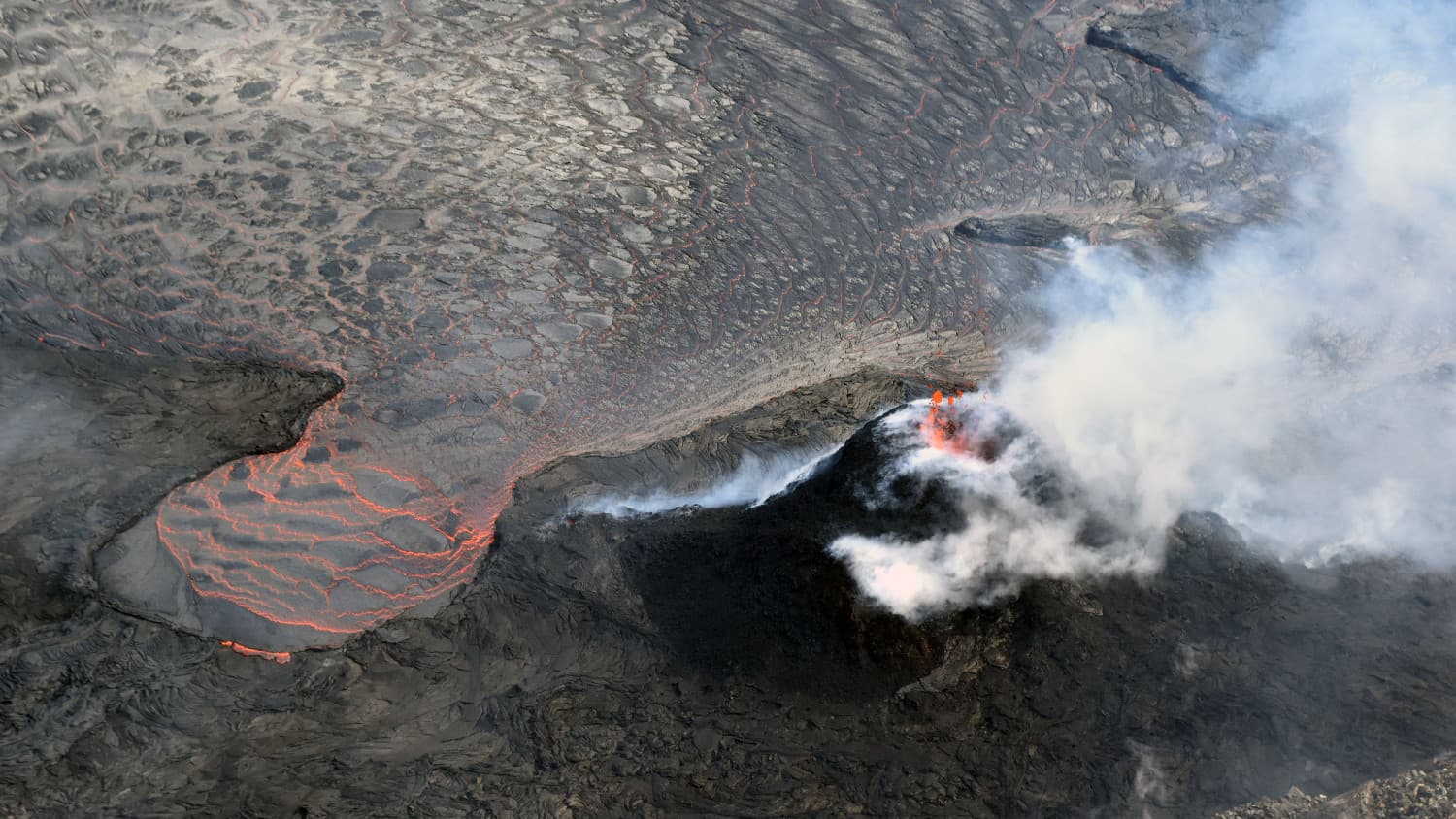
The Hawaiʻi Department of Health alerted the public on December 22, 2025, that elevated volcanic gas emissions from the recently paused Kīlauea eruption are producing vog and periodic poor air quality across the islands. The U.S. Geological Survey reported the summit ended its 38th episodic eruption on December 9, but gas emissions remain high enough to create hazardous conditions downwind of the summit and to send ash and Pele’s hair into surrounding communities.
Air monitoring since the eruption began on December 23, 2024, has shown variable readings at stations on Hawaiʻi Island, Maui and Oʻahu. Periodic increases in sulfur dioxide and fine particulate matter PM2.5 have been recorded, with stations in the southern part of Hawaiʻi Island at times reporting unhealthy air quality levels. Air quality can change rapidly with shifts in emissions, wind direction and other meteorological conditions, so residents should monitor local reports closely.
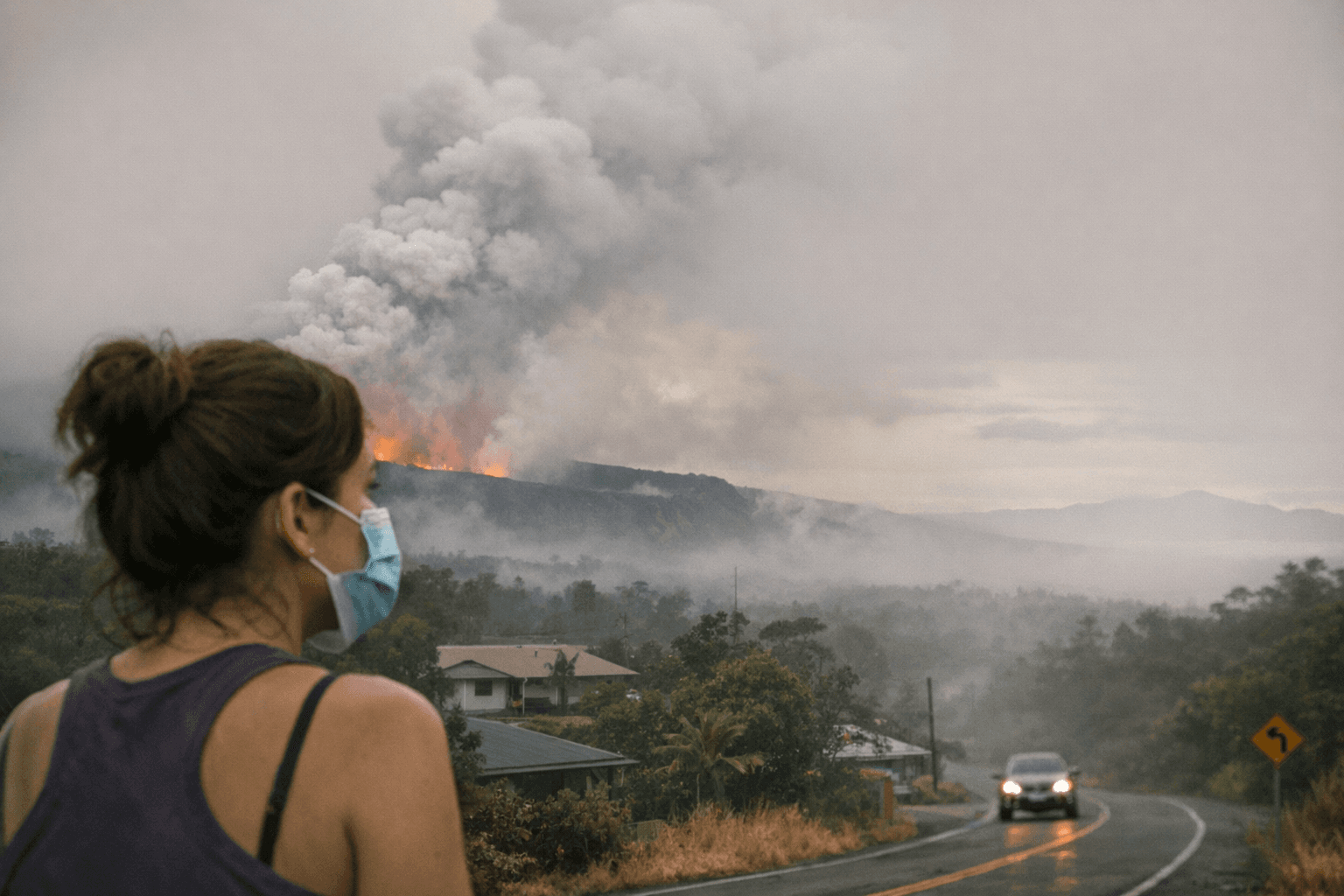
Short term exposure to elevated sulfur dioxide and PM2.5 may cause eye nose or throat irritation, coughing and increased mucus production. At higher concentrations or with prolonged exposure, particularly among sensitive populations, more noticeable respiratory symptoms can occur including difficulty breathing or worsening of existing lung conditions. Especially vulnerable people include those with asthma bronchitis emphysema or chronic heart and lung disease, children and infants elderly people those who work or exercise outdoors and pregnant women.
The DOH recommends contacting a medical provider if symptoms develop, having medications readily on hand, reducing outdoor activities and staying indoors with windows and doors closed. Set air conditioners to recirculate air. The DOH does not recommend the use of respirators by the general public to protect against volcanic gases. For short term cleanup of ash or Pele’s hair, use a well fitting N95 or equivalent mask to protect against particles and wear heavy duty gloves long clothing shoes and eye protection. Masks filter particles and do not protect against toxic gases such as sulfur dioxide. Avoid sweeping blowers and other mechanical devices that may stir ash back into the air.

For guidance and data visit vog.ivhhn.org, ivhhn.org/ash-protection, the Clean Air Branch at Hawaii Ambient Air Quality Data, the Vog Information Dashboard and USGS Kīlauea updates. The Hawaii State Department of Health Clean Air Branch can be reached at health.hawaii.gov/cab. Media contact Kristen Wong can be reached at 808 953 9616 or by email at [email protected].
This article was produced by Prism’s automated news system from verified source data, official records, and press releases, then run through automated quality and moderation checks before publishing. The system is built and supervised by the people who set the standards it runs under. Read our full AI policy.
Did this article answer your question?