Hele-On routes connect Hilo, Kona and Big Island communities
Hele-On’s Hilo-Kona spine is the Big Island’s public backbone, linking campuses, airports, harbors and outlying towns to the island’s two main hubs.
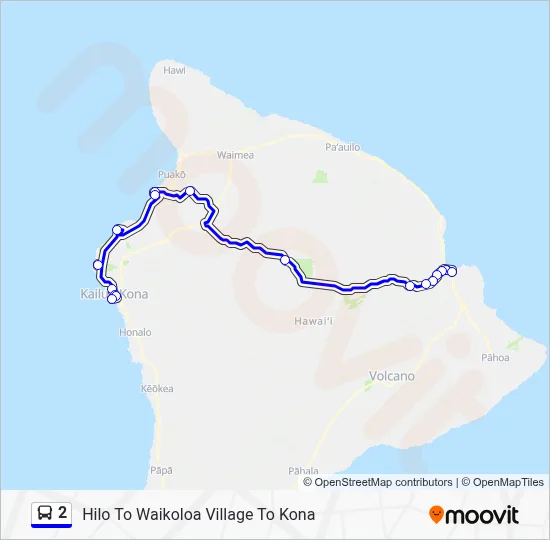
Hele-On is the ride that can decide whether someone in Hilo, Kona or a town in between makes class, gets to work, reaches a medical appointment or connects to the airport without a car. On Hawaii Island, Route 1 and Route 2 are not just bus numbers, they are the county’s cross-island spine, tying the east and west sides together across a geography that makes every trip matter.
The Hilo-Kona spine
Hawaii County’s route pages identify Route 1 as the Hilo to Kailua-Kona route and Route 2 as the Blue Line Hilo to Kailua-Kona route. The county’s system map also labels Route 1 as the Hilo to Kailua-Kona route, which makes the backbone easy to spot even before you start tracing the rest of the network.
That matters because the island’s bus system works less like a city grid and more like a public lifeline built around long distances and a few essential hubs. If you live on one side of the island and need the other, the trip often starts by thinking in hubs, not neighborhoods, with Hilo and Kailua-Kona anchoring the map and the smaller communities feeding into them.
Routes that fan out across the island
Once you understand that spine, the rest of Hele-On’s route list starts to read like a map of the island’s daily life. The county lists a set of longer-haul and community routes that tie towns, resorts, schools and rural districts back to the main corridors.
- Route 10, Kau-Hilo
- Route 11, Red Line Hilo-Volcano
- Route 12, Volcano to Ocean View
- Route 60, Hilo-Waimea
- Route 70, North Kohala-South Kohala Resorts
- Route 75, North Kohala-Waikoloa Village-Kona
- Route 76, Green Line Honokaa to Kailua-Kona
- Route 80, Hilo to South Kohala Resorts
- Route 90, Pāhala to South Kohala Resorts
- Routes 102, 103 and 104, which also appear on the county route list
- Route 201, the Kona Trolley via Alii Drive
- Route 202, Central Kailua-Kona
- Route 203, North Kailua-Kona
That mix shows why Hele-On is more than intercity transit. It connects Hilo and Kona, but it also gives riders a way to move within West Hawaii, reach South Kohala resort areas, and link rural places like Pāhala, Ocean View, Volcano, Waimea and Honokaa to the island’s main service centers.
Where the bus reaches the island’s institutions
The county also built Hele-On around places people actually need to reach, not just town centers. Hawaii County maintains a transportation page for the University of Hawaii at Hilo and Hawaii Community College in Hilo and Kailua-Kona, which reflects how campus travel is part of the bus system’s public purpose.
Airport access is part of that same picture. The county’s airport service page says Hele-On currently operates service to Hawaii Island airports, including direct service to Hilo International Airport via Route 101, Keaukaha. That gives riders a concrete airport option on the east side, which matters for students, workers, visitors and residents trying to travel without arranging a separate ride.
The ports page extends that access even further. Hele-On provides limited bus service to Hilo Harbor, Kona Pier in Kailua-Kona and Kawaihae Harbor, linking the bus network to the island’s commercial and visitor gateways as well as its working waterfronts.
Why the fare matters
The system’s reach is only part of the story. Hawaii County Council approved Bill 105, and Hele-On then began a two-year fare-free pilot program starting the first week of March in 2022. UH Hilo’s bus schedule page also noted that bus service was free in Hawaii County until 2025, and later county coverage said riders could keep using Hele-On for free.
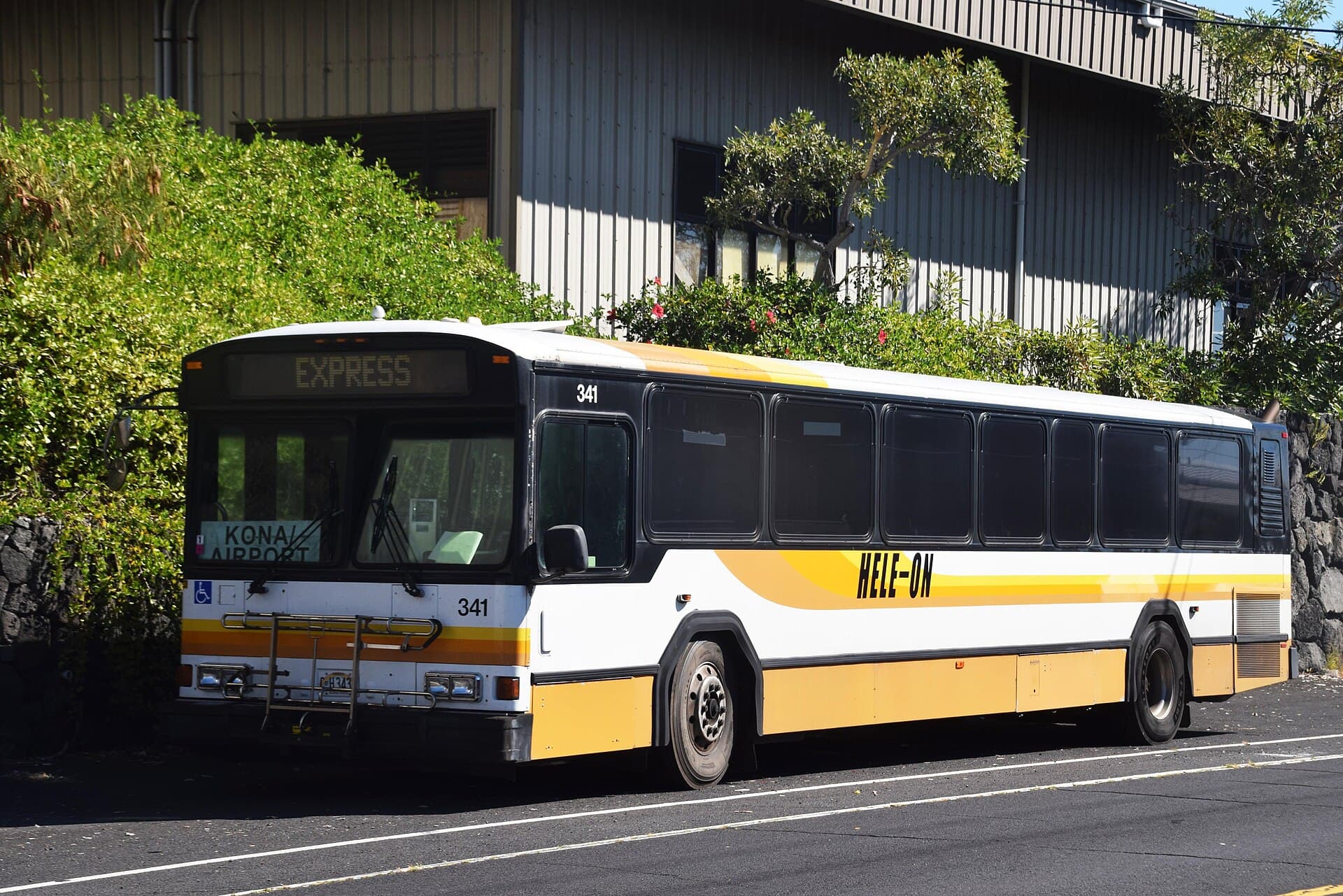
That shift changed the calculation for people who depend on the bus as transportation infrastructure rather than a convenience. John Andoh, the county’s Mass Transit Agency administrator, framed the policy around the annual cost burden riders had been carrying, so the savings could go back toward everyday needs like shopping and medical expenses.
It also fit the way the system has long been used on the island. A 2011 report on the debut of a Hele-On double-decker bus said kupuna and county workers got the first official ride, a small but telling sign that the bus was built for residents whose schedules and budgets depend on reliable public transit.
A network shaped by the island itself
Hele-On’s current structure makes more sense when set against its longer history. The system has gone through fare hikes, a crisis period and a later hub-and-spoke operating model, which helps explain why today’s routes are organized around cross-island corridors and county hubs rather than one continuous urban loop.
That history is visible in the route names themselves. A rider moving from North Kohala to Kona, from Pāhala to South Kohala Resorts, or from Hilo to Volcano is not just taking a bus, but using a countywide system that tries to stitch together communities separated by long drives and limited alternatives.
For Big Island residents, that is the real value of Hele-On. It is the county’s access backbone, the service that links the east side, the west side, the colleges, the airport, the harbors and the smaller places in between into one public network that still depends on Hilo and Kailua-Kona to hold the island together.
This article was produced by Prism’s automated news system from verified source data, official records, and press releases, then run through automated quality and moderation checks before publishing. The system is built and supervised by the people who set the standards it runs under. Read our full AI policy.
Did this article answer your question?