ʻŌhiʻa Quarantine Reminds Merrie Monarch Travelers, Lei Restrictions Remain
Inspectors seized 43 ʻōhiʻa lei poʻo at Big Island airports during a single Merrie Monarch travel period; lei makers face fines up to $10,000 under a quarantine now a decade old.
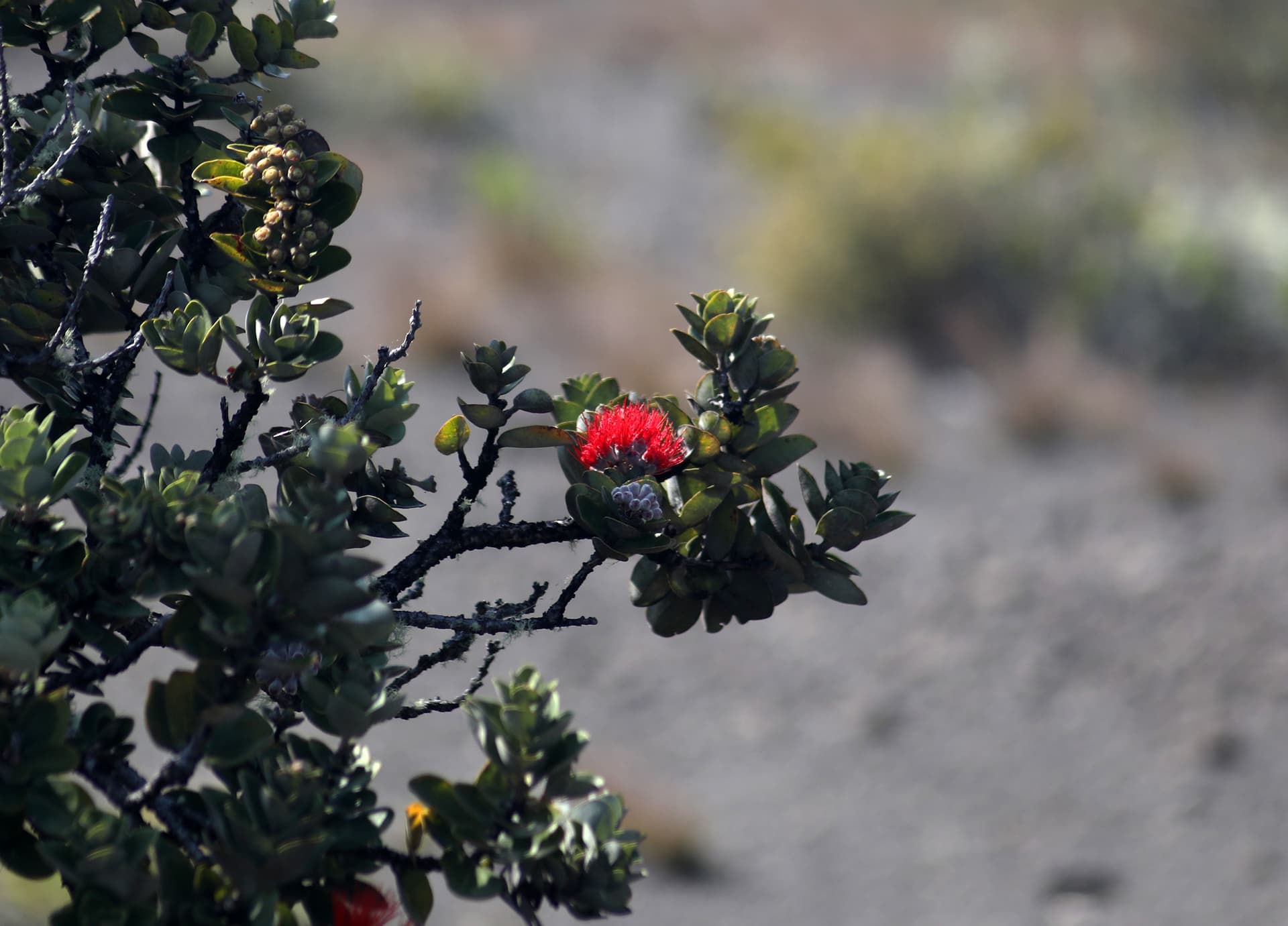
ʻŌhiʻa lehua is Hilo's defining flower, the source of the city's most ancient rain names, and the material at the heart of some of hula's most revered lei. It is also contraband the moment it crosses a Hawaiʻi Island tarmac without a permit, and Plant Quarantine Branch inspectors collected 31 lei poʻo at Hilo International Airport and 12 at Kona International Airport in a single Merrie Monarch travel period, according to HDOA figures, a combined 43 head leis pulled from outbound travelers before reaching the neighbor islands.
The quarantine behind those seizures has been in place since August 2015, when the Hawaiʻi Board of Agriculture issued an emergency order to stop the spread of rapid ʻōhiʻa death (ROD), a fungal disease that has since killed more than one million ʻōhiʻa trees and burned through at least 47,000 acres of Hawaiʻi Island forest. A permanent rule followed in 2016 and has remained in force every Merrie Monarch since.
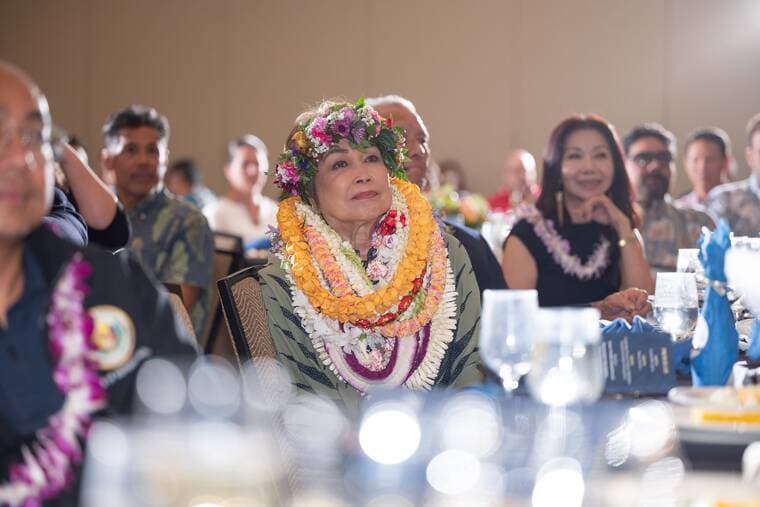
"Bottom line, if we don't have the forest we don't have hula," said Huihui Kanahele-Mossman, executive director of the Edith Kanakaʻole Foundation and kumu hula of Hālau o Kekuhi, who has spoken publicly about ROD's intersection with the lei-making traditions that are inseparable from Merrie Monarch.
For lei makers, florists, and festival vendors, the compliance burden is specific and unforgiving. The prohibited list covers the entire ʻōhiʻa plant: flowers, leaves, seeds, stems, twigs, cuttings, untreated wood, logs, mulch, green waste, frass (the sawdust produced by boring insects), and any soil from Hawaiʻi Island. The HDOA adds a rule that catches many travelers off guard: even ʻōhiʻa that originated on another island cannot be transported off Hawaiʻi Island once it arrives here, not without a permit issued by the HDOA Plant Quarantine Branch. A vendor who flies in from Maui, sources ʻōhiʻa locally, and attempts to bring unsold lei stock home faces the same airport seizure as any other departing traveler.
First-time violators face a misdemeanor charge and fines ranging from $100 to $10,000. A second offense within five years escalates those penalties to $500 to $25,000.
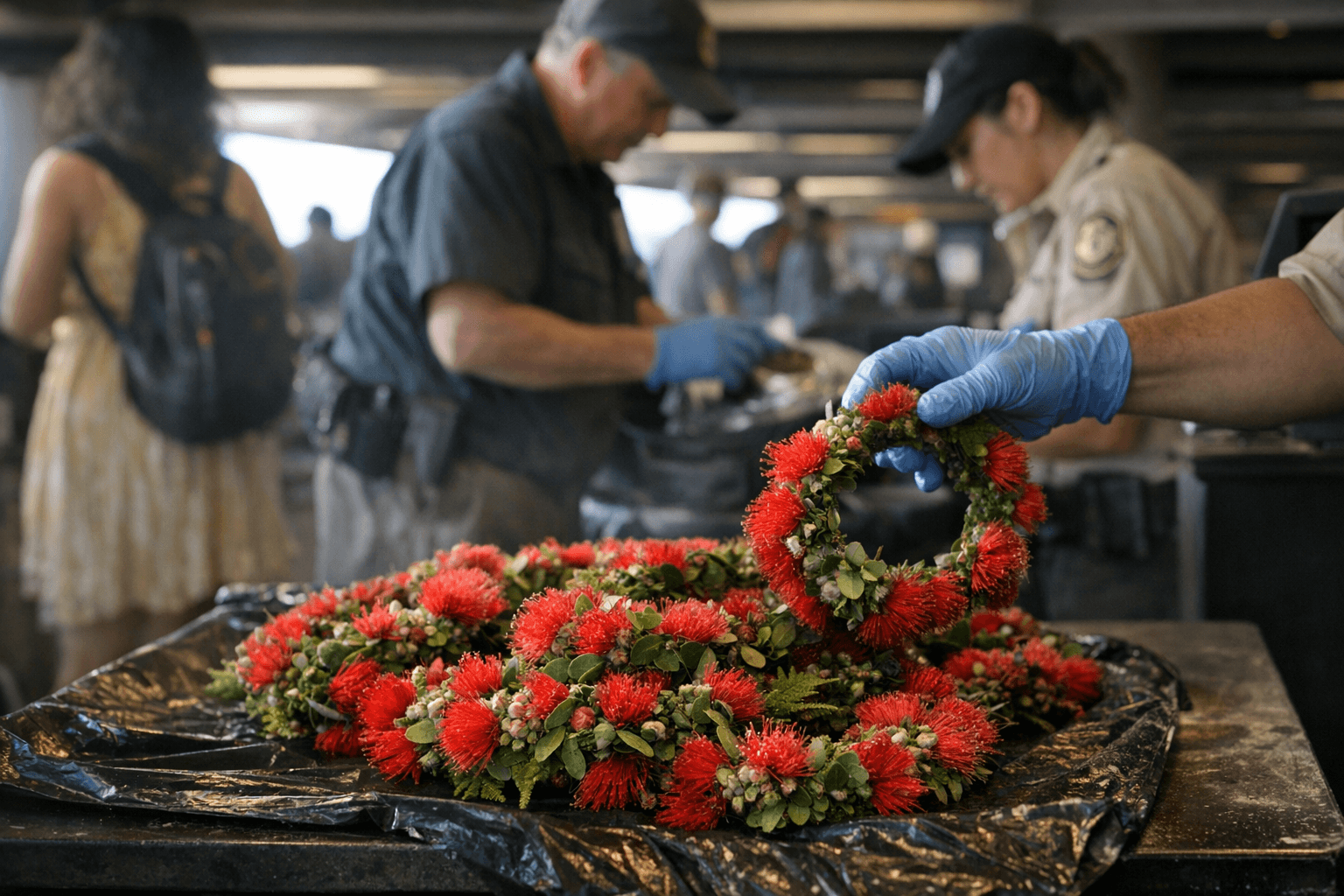
The workable pivot for lei makers is substitution. Palapalai, lauae, and palaa ferns serve as non-quarantined greenery alternatives, while alahee, a native plant bearing glossy leaves and small white flower clusters, offers another option that moves freely across islands. For those who have already woven ʻōhiʻa into lei before the festival, the University of Hawaiʻi at Mānoa's College of Tropical Agriculture and Human Resilience provides hoʻihoʻi baskets at the event and at the Hilo and Kona airport Plant Quarantine Branch offices, so material can be surrendered and returned to the land rather than treated as a violation.
Kanahele-Mossman has framed that return not as punishment but as cultural completeness: "Returning the ʻōhiʻa back to the ʻāina provides a feeling of completion. If that's not done, you're not done."
PQB inspectors are stationed at both airports during the Merrie Monarch travel period to collect prohibited material. Those seeking permit information can contact the HDOA Plant Quarantine Branch directly; a travel alert flyer is posted on the HDOA website.
This article was produced by Prism’s automated news system from verified source data, official records, and press releases, then run through automated quality and moderation checks before publishing. The system is built and supervised by the people who set the standards it runs under. Read our full AI policy.
Did this article answer your question?