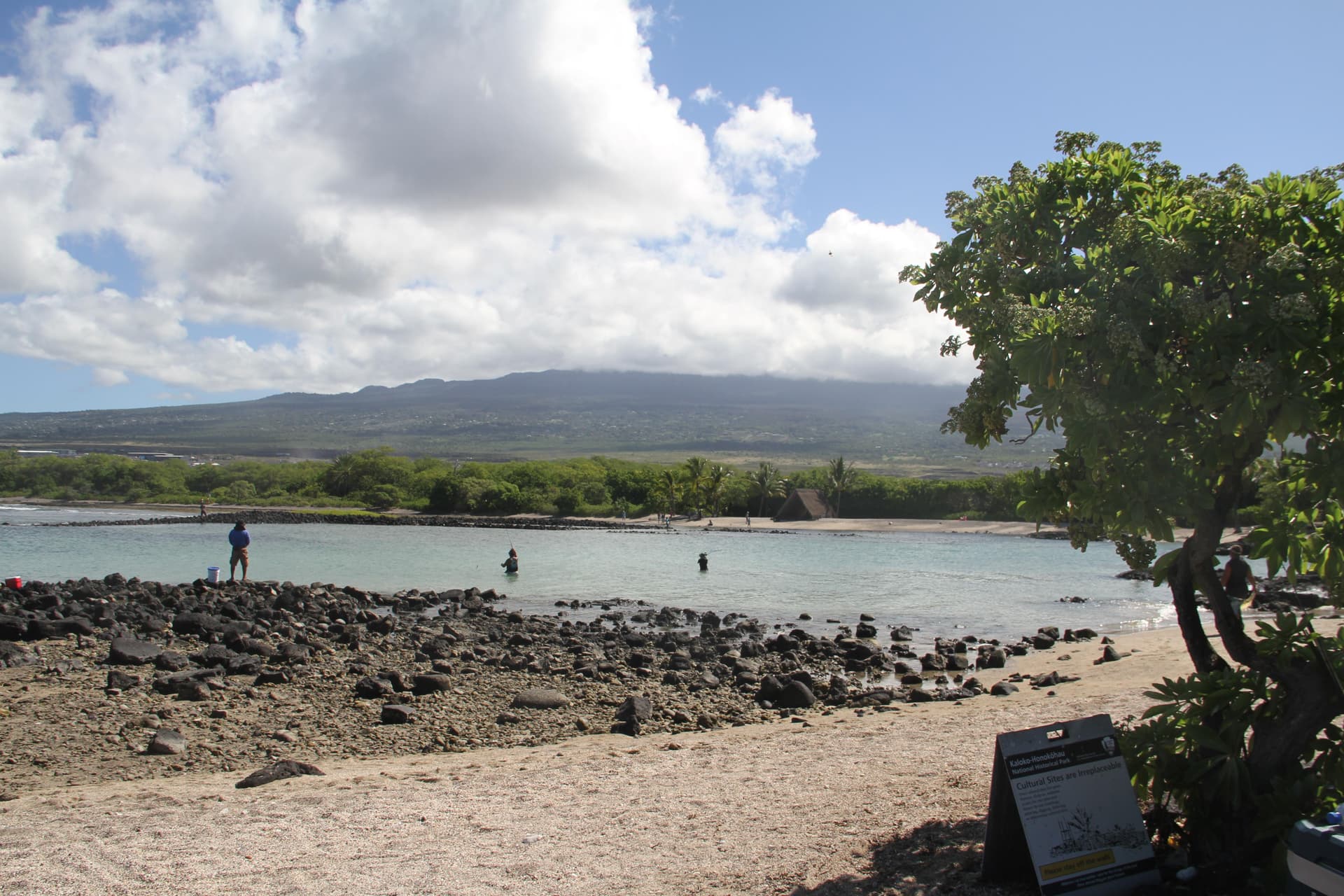
High surf advisory issued for Big Island south-facing shores
South Kona, Kaū and Puna were under the highest surf risk as waves of 7 to 10 feet threatened Big Island south-facing shores. Swimming and shoreline work were hazardous until Tuesday evening.

South Kona, Kaū and Puna faced the highest surf risk on Hawaii Island after Hawaii County Civil Defense said a high surf advisory covered the south-facing shores of those districts. The National Weather Service in Honolulu said waves of 7 to 10 feet were possible, with the advisory in effect until 6 p.m. Tuesday. The warning turned calm-looking beaches into hazardous water, with strong breaking waves and currents making swimming dangerous and difficult.
Beachgoers unfamiliar with local ocean conditions were urged to heed lifeguards and cautionary signs. The danger reached beyond swimmers to paddlers, fishermen, tour operators and families heading to the shoreline, where shore break and currents can change fast even when the weather looks quiet on land. Civil Defense put the warning bluntly: "Please exercise caution."
Big Island Now’s July 21 forecast page for July 22 focused on windward and southeast Hawaii County while highlighting the south-facing shore advisory, a reminder that conditions can shift sharply from one district to the next on Hawaii Island. Mountains and trade winds create uneven weather and surf across short distances, so the county-by-county breakdown mattered for commute planning, farm work, school travel and anyone arranging time near the coast.
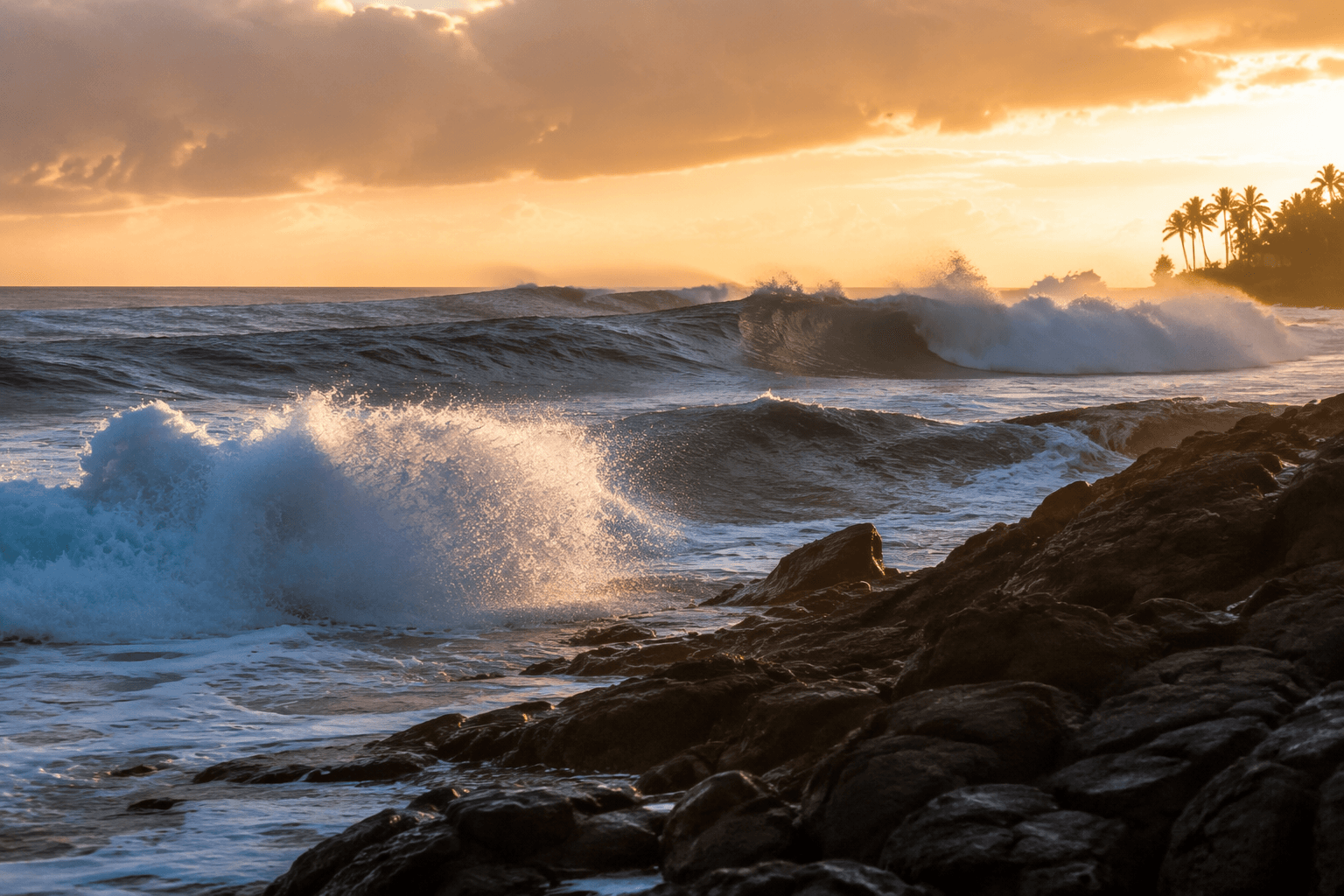
The same swell pattern had already raised concern about more than just rough water. Big Island Now reported on June 13 that a high surf advisory for south-facing shores of the Big Island included coast flooding in the forecast, showing that low-lying shoreline areas could take a hit even when beaches were the main focus of the warning. The National Weather Service’s surf forecast product remained the official source behind the advisory, and the repeated alerts underscored how exposed south-facing beaches can be during a strong summer swell.
This article was produced by Prism’s automated news system from verified source data, official records, and press releases, then run through automated quality and moderation checks before publishing. The system is built and supervised by the people who set the standards it runs under. Read our full AI policy.
Did this article answer your question?