Hilo bake stands face health inspections and permit questions
Hilo’s roadside bake stands are booming, but 9 of 11 recent health inspections ended in cease-and-desist orders as inspectors found foods that need more than a home kitchen.
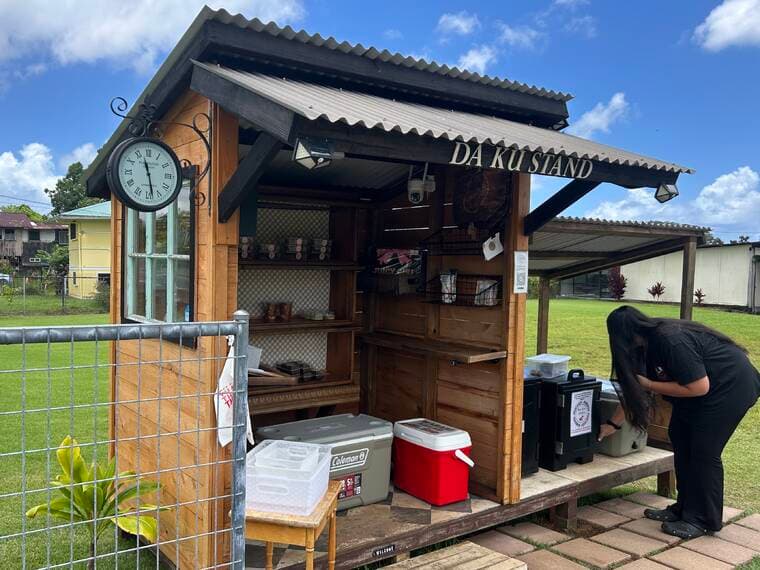
Colorful roadside bake stands around Hilo have turned into a small-business lifeline, but the same honor-system model is now colliding with health enforcement. Over the past year, the Hawaii State Department of Health inspected 11 roadside stands on Hawaii Island, all of them last month, and nine ended with cease-and-desist orders after inspectors found food-code violations serious enough to stop sales.
The legal line is narrower than many sellers may realize. State rules allow certain homemade foods to be sold without a permit, including cookies, brownies and cakes without cream or custard fillings, as long as the seller has a food-safety certificate from a DOH-approved class and labels the food properly. The category widened on Aug. 24, 2025, when amendments to Hawaii Administrative Rules Title 11, Chapter 50 took effect and added some shelf-stable products such as kimchi, salsa, jam and jelly.

But the gray areas are where the trouble starts. John Kolman, the district health officer for Hawaii Island, said some stands have crossed into higher-risk foods such as meat and dairy, which can require a certified kitchen and additional permitting because of the greater risk of making people sick. The same roadside setup that can legally sell packaged brownies may trigger enforcement the moment it starts offering cream-filled pastries, refrigerated fillings or other foods that do not fit the homemade-food rules.
The 2025 rule changes came after Act 195, also known as HB 2144, which Gov. Josh Green signed on July 3, 2024. Legislative findings said Hawaii had been one of only a few remaining states without certain homemade-food exemptions and that the old framework made life harder for rural entrepreneurs who do not have access to certified kitchens. That context helps explain why Hilo’s bake stands multiplied so quickly, and why regulators are now drawing sharper boundaries.
DOH is also treating these stands like special events for permitting purposes. The application calls for a nonrefundable permit fee of $100 for the first 20 days, with additional daily fees afterward, and says a permit cannot exceed 31 dates. It must be submitted 10 working days before the event, and some operations may need a support kitchen. Benevolent or charitable organizations selling non-potentially hazardous prepackaged foods and homemade food products by direct sales only do not need a fee or permit.
The rules also run deeper than the bake stand itself. DOH’s August 2025 update says pickled, fermented or acidified plant products are covered only if they meet technical safety thresholds of pH at or below 4.2 or water activity at or below 0.88. It also recognizes sesame as the ninth major food allergen under the federal framework, and requires written notice of major allergens used in permitted food establishments.
For Hilo families trying to turn home recipes into income, the policy question is whether the crackdown is about unsafe food, paperwork, or both. The answer appears to be both: the state has opened a legal path for small-scale sales, but it is also enforcing a line between cottage-industry treats and foods that need full commercial safeguards.
This article was produced by Prism’s automated news system from verified source data, official records, and press releases, then run through automated quality and moderation checks before publishing. The system is built and supervised by the people who set the standards it runs under. Read our full AI policy.
Did this article answer your question?