Hilo Bay cleanup plan moves forward with county grant-backed work
A $2 million watershed plan is finally moving for Hilo Bay, as residents again face brown-water warnings and years of bacteria problems.
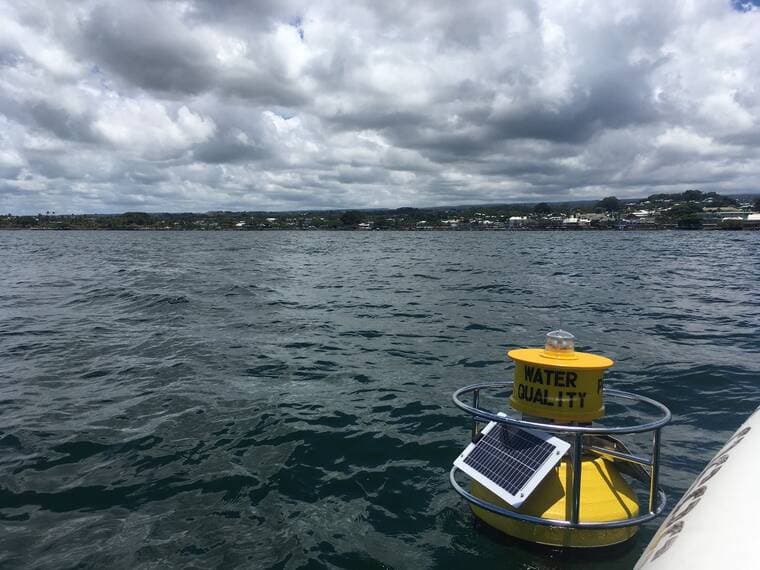
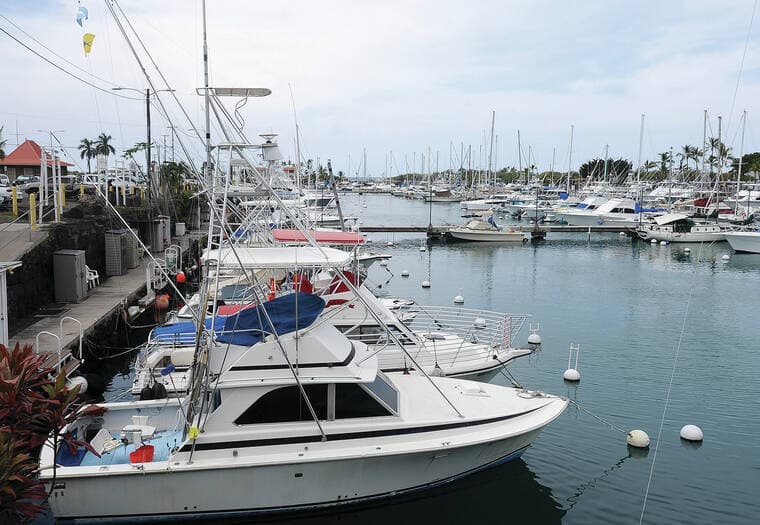
After years of brown-water advisories and high bacteria counts, Hilo Bay finally has a long-range cleanup plan taking shape, with Hawaii County beginning work on a watershed management roadmap backed by a $2 million federal grant.
The county says the plan is meant to do more than react to contamination after the fact. It is intended to map a data-informed path for stewarding what officials describe as the state’s largest watershed area, then help move the bay from study to coordinated action. The project was awarded Aug. 13, 2024, under National Fish and Wildlife Foundation Award ID 0318.24.080571, with funding from the U.S. Department of Defense. County officials say an approved Watershed Management Plan is the critical first step to coordinated, multi-agency remediation and to unlocking additional funding.

That funding hurdle matters because Hilo Bay has been under stress for decades. The state Department of Health issued a brown-water advisory for Hilo Bay and the Hamakua Coast on April 30, 2026, underscoring that the problem is still active. A 2009 University of Hawaii at Hilo and county report found bay waters had exceeded state water-quality standards since the late 1970s for nutrients, turbidity and fecal bacteria indicators, and that the bay was formally placed on the U.S. Environmental Protection Agency’s 303(d) impaired waters list in 1998.
University of Hawaii at Hilo researcher Tracy Wiegner said the county needs the plan in order to qualify for federal funding that could support actual watershed management work, calling the effort long overdue. Fellow researcher Stephen Colbert pointed to likely contributors to the bay’s pollution, including sediment washing into the water, erosion along the Wailuku River and sewage that seeps from cesspools into groundwater before reaching the shoreline. State legislative materials say Hawaii has more than 80,000 cesspools statewide, nearly 50,000 of them on Hawaii Island, and roughly 53 million gallons of untreated sewage may be released into the ground each day. State law requires cesspools to be closed by Jan. 1, 2050.
The U.S. Army Corps of Engineers has also been involved in the watershed for years. It began working with the county in April 2020 after former Mayor Harry Kim raised a long-term vision for water-resource management and economic development, and it entered a cost-shared partnership with the county in November 2020. A February 2023 Corps report noted earlier study of the century-old Hilo Bay Breakwater, which is about 10,080 feet long, but said the Corps would not recommend altering it in its immediate recommendations.

Researchers have also documented how rainfall-driven runoff increases harmful bacteria in Hilo Bay, reinforcing the county’s focus on sediment, storm water, wastewater and river inputs. The plan is expected to be refined over the next year and finalized by fall 2027, setting up a test of whether Hilo Bay can finally move from recurring warnings to enforced, multi-agency restoration.
This article was produced by Prism’s automated news system from verified source data, official records, and press releases, then run through automated quality and moderation checks before publishing. The system is built and supervised by the people who set the standards it runs under. Read our full AI policy.
Did this article answer your question?