Kaū council candidates focus on roads, housing and emergency response
Kaū’s council race will be decided by who can move county government on roads, water, housing and emergency access across a district of 8,679 people.

Kaū’s council seat is less about biography than about whether a county official can make government work in one of Hawaii Island’s most spread-out places. The district covers 929.7 square miles, but Census Reporter puts its population at 8,679, or 9.3 people per square mile, with a median age of 48.9. In a place that large and that lightly populated, road conditions, response times and permitting delays are not abstractions. They are the daily test of whether county government reaches the people it is supposed to serve.
Kaū’s scale defines the job
The first thing voters should measure is whether a candidate understands that Kaū is not a compact town center with one set of needs. The district stretches across a vast part of Hawaii County, and that geography shapes every county decision, from where crews go first after heavy rain to how long residents wait for a permit or a public works fix. A council member who represents Kaū has to think in miles, not just in headlines.
That matters because a district with fewer than 9,000 residents still depends on county systems that were built to serve a much broader island. The county representative does not pave roads personally or dispatch ambulances, but the seat carries influence over budgets, priorities and the public pressure that can move departments. In a district this remote, the difference between attention and neglect can show up in a washed-out shoulder, a delayed inspection or a project that stalls because the process is too slow for rural realities.
The community plan gives voters a baseline
Kaū already has a county-endorsed blueprint. The Kaū Community Development Plan was adopted in October 2017 as Ordinance No. 2017-66, after what a 2017 Big Island Video News story described as nine years of work. The plan was shaped by hundreds of people in and outside the community, which makes it one of the clearest records of what Kaū residents have said they need from county government.
That plan matters now because it identifies the kinds of issues voters keep coming back to: roads, water, utilities, public facilities and infrastructure. Those are the practical questions that separate a candidate with a slogan from a candidate with a governing plan. If a contender says they will fight for Kaū, the plan offers a standard for judging whether that promise matches the district’s documented priorities.
Roads and emergency access are linked
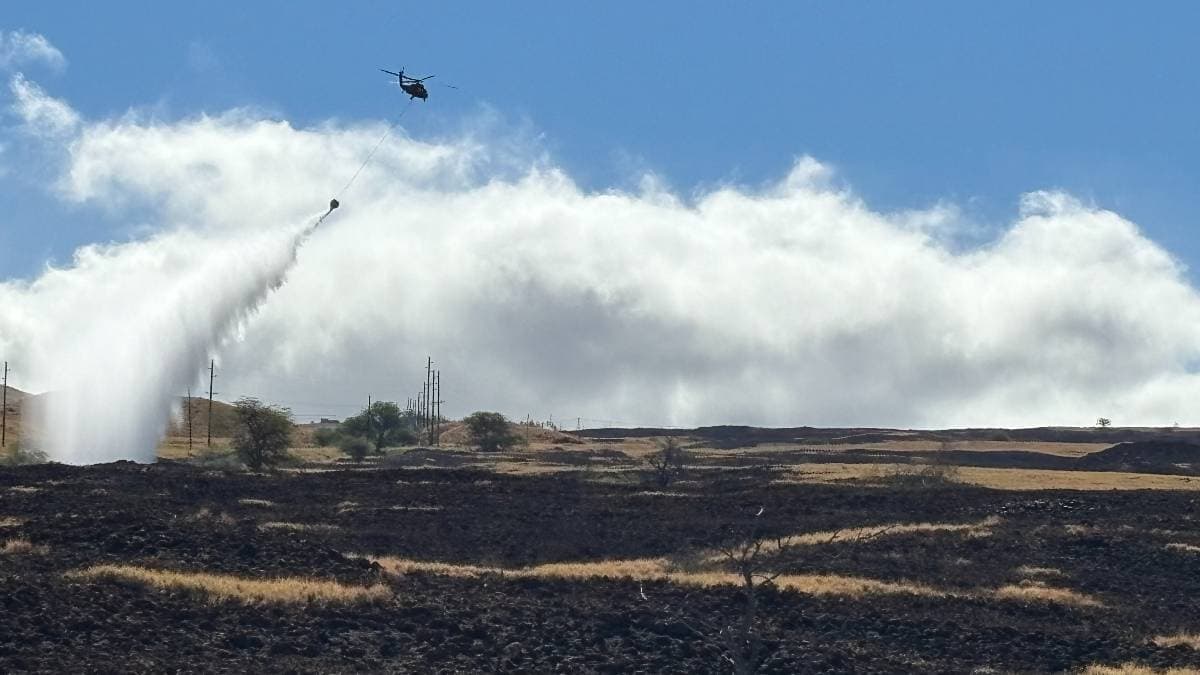
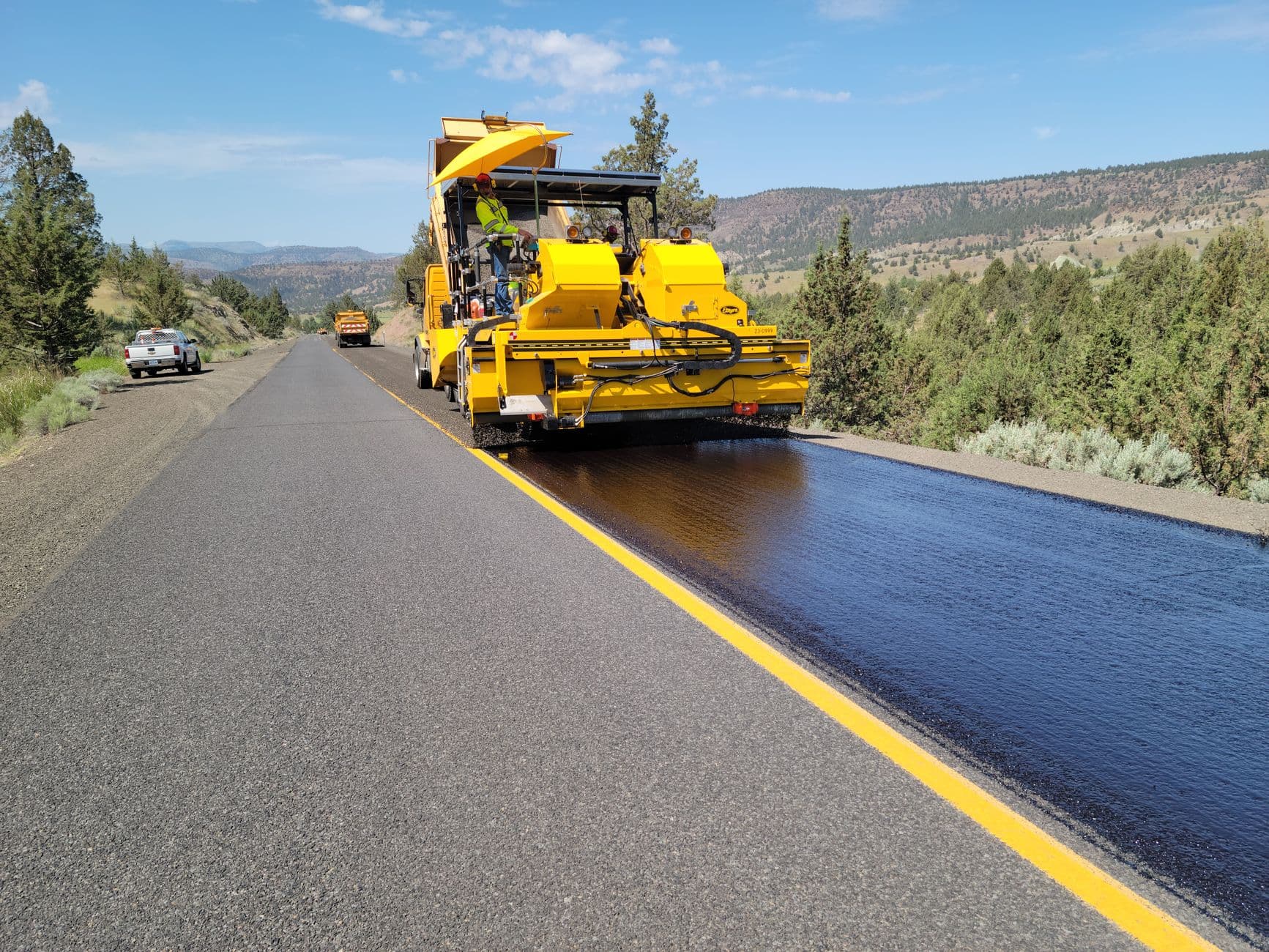
Road maintenance is not just a transportation issue in Kaū. It is the backbone of emergency access, school trips, medical travel and the movement of supplies in and out of remote communities. In a district that spans 929.7 square miles, a road problem can isolate households, slow county service calls and make every other challenge harder to solve.
That is why voters should press candidates for specifics on response times, not just broad promises to “improve infrastructure.” The key questions are simple: which roads would they prioritize, how would they push the county to respond faster, and what tradeoffs would they accept if the budget is tight? A council member who cannot answer those questions clearly is unlikely to improve how quickly the county reaches Kaū when the road system fails.
Housing in Kaū is a county-government issue, too
Housing often gets discussed as if it sits outside the county council’s reach, but in Kaū it is tied directly to land use, utilities, permitting and infrastructure. A district that is already thinly populated and spread over so much land cannot solve housing pressure without addressing water service, road access and the county approval process that determines whether a project can move at all. That is where a council member’s governing style becomes important.
Voters should listen for whether candidates can explain how they would remove predictable county bottlenecks without weakening community standards or rural character. That means asking how they would handle permits, what timelines they would set for follow-through and whether they are prepared to back land-use decisions with the public works and utility support those decisions require. In Kaū, housing is not just about units built. It is about whether county systems make those homes possible.
The county plan and district map both matter
Hawaii County Planning has a dedicated Kaū planning page, which gives residents a place to start when they want to compare candidate promises with county priorities. The county’s planning materials are especially useful because they show how often Kaū’s needs recur across infrastructure, public facilities and utilities. That is the practical lens voters should use when listening to debates, forums and candidate statements.
Boundaries are another detail voters should not ignore. Hawaii County Council district lines were updated in 2022, according to the Hawaii Statewide GIS Program, and the GIS metadata notes an update date of February 27, 2024. That means older election references may not line up perfectly with the district map voters use today. County district pages and map materials are the clearest way to confirm which communities are included in Kaū’s current council district.
What a useful Kaū candidate answer sounds like
The strongest candidate in Kaū will not just say roads, housing and emergency response matter. That person will describe how county government will act on them, in order, with deadlines and consequences if departments miss them. Voters should look for a plan that connects the district’s rural geography to county budgeting, permitting and service delivery, because that is where council power actually lives.
For Kaū, the governing choice is straightforward: pick the person who can show how county hall will answer a remote district’s routine problems faster, more clearly and with more accountability than it does now.
This article was produced by Prism’s automated news system from verified source data, official records, and press releases, then run through automated quality and moderation checks before publishing. The system is built and supervised by the people who set the standards it runs under. Read our full AI policy.
Did this article answer your question?