Mahalo to Talmadge Magno for a decade guiding Big Island disaster response
Magno’s decade at Civil Defense made Big Island alerts more immediate and more local, from Mauna Loa calls to tsunami roadblocks and shelter plans.
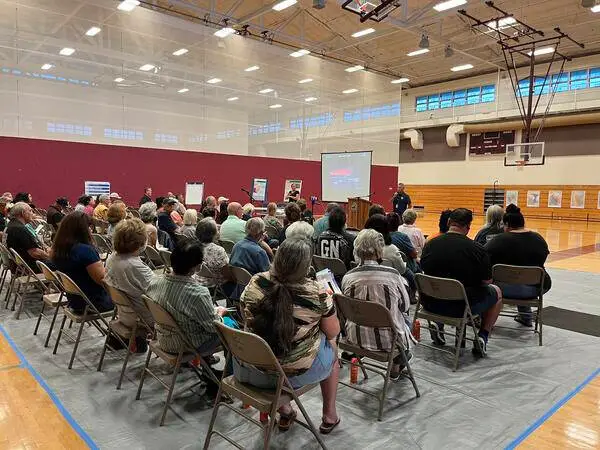
Talmadge Magno spent a decade turning Hawaii County Civil Defense into one of the most familiar voices in Big Island emergencies. His tenure covered lava, hurricanes, tsunamis, floods, wildfires and storm disruption, and the practical test for residents was always the same: how quickly the county could tell people to move, wait, close, or prepare.
A decade built around all-hazards response
A 2019 University of Hawaii profile identified Magno as the County of Hawaii civil defense administrator and said he headed the office responsible for coordinating the county’s emergency preparedness and response program. The profile described the work as spanning hazards “from lava to hurricanes,” which fits the island’s reality better than any bureaucratic job title ever could. Magno is also a University of Hawaii at Hilo graduate, tying his public service to the island he helped protect.
That all-hazards approach matters on Hawaii Island because Civil Defense is not only a dispatch center. It is the county system that helps decide when roads close, when communities evacuate, when shelters open, and when residents should stay off the highways and out of danger zones. For families, small businesses, harbor users and commuters, those decisions can shape an entire day in minutes.
What changed in practice for residents
The most important change under a long-serving administrator is often not a single policy, but the consistency of the response. Over time, residents came to expect Civil Defense to be the county’s front line for fast-moving instructions, especially when conditions shifted hour by hour. That kind of reliability matters on an island where weather, volcanic activity and coastal hazards can change the rules of travel and safety without much warning.
A 2025 tsunami response showed how broad those practical consequences can be. Hawaii County prepared with roadblocks, evacuations, an airport closure and shelters, a reminder that Civil Defense decisions do not stay within government offices. They reach school pickups, work shifts, airline schedules, tourism flow and the daily movement of people along the island’s roads.
Tropical Storm Calvin in 2023 offered a different test. When the storm passed Hawaii Island with little impact, the county still had to prepare and communicate clearly, because even a weather system that ends up doing less damage can create uncertainty before the all-clear. That is part of the job Magno’s office has carried for years: making sure residents know whether a threat is real, where it is headed, and what they should do next.
Mauna Loa, phone calls and the need for trust
The 2022 Mauna Loa unrest brought that communication role into sharp focus. During a joint Civil Defense and Volcano Observatory session, Magno said the agency received phone calls when the recent seismic activity started. That detail says a lot about how people on Hawaii Island now relate to Civil Defense: when the ground starts moving, residents call, and they expect answers.
That expectation is a sign of trust, but it is also a test. When people reach for the phone, they are not asking for a lecture on emergency management. They want to know whether they should leave, whether a road is still open, and whether the county understands what is happening in their neighborhood. Magno’s decade in the role has been shaped by exactly that kind of pressure, where the speed and clarity of the county response can lower fear or make it worse.
The lessons of Hilo still frame the work
The island’s disaster memory is long, and Civil Defense operates inside that history. A 2023 story marking the 77th anniversary of the devastating 1946 tsunami that struck Hilo recalled the most destructive tsunami in Hawaii’s modern history. That anniversary still matters because it shows why evacuation planning is not theoretical on the Big Island, especially in places like Hilo and along the surrounding coast.
The 1946 disaster is part of the island’s public-safety memory, and it helps explain why evacuation routes, alert systems and coastal awareness remain central to county readiness. Civil Defense is the institution that translates that memory into present-day action. When the sirens sound or the warnings change, the goal is not just to inform people, but to move them out of harm’s way before the water or other hazards arrive.
How residents are supposed to prepare now
State emergency resources and county guidance still point residents to the basics that matter most in a fast-moving emergency. Hawaii.gov directs people to county emergency management agencies, tsunami evacuation zones, volcano eruptions and vog information, and weather alerts. That list is a good practical map of what Civil Defense is trying to get into the public bloodstream before the next crisis.
For Big Island households, the useful habit is simple: know your zone, know your alerts, and know which county office to follow when conditions change. The county’s emergency system works best when residents already understand the information that will be repeated during a crisis. In a place where a road closure in one district can affect travel across the island, that advance knowledge is not optional.
A transition for Hawaii County Civil Defense
Magno’s final day on the job was Friday, July 31, 2026, and a USGS Volcanoes social post said he would retire on August 1, 2026. That gives his exit a clear line: one decade of emergency management ends as another phase of county preparedness begins. The question for the next administrator is not whether the Big Island will face another crisis, but whether the county can keep the communications, coordination and public trust that Magno helped build.
The lasting measure of his tenure is not a tribute sentence. It is the fact that Big Island residents now live with a more practiced, more visible Civil Defense system, one that has been tested by volcanic unrest, tropical storms and tsunami preparation, and that remains central to how the county protects itself when the island changes fast.
This article was produced by Prism’s automated news system from verified source data, official records, and press releases, then run through automated quality and moderation checks before publishing. The system is built and supervised by the people who set the standards it runs under. Read our full AI policy.
Did this article answer your question?