Mayor Alameda Vetoes Bill 127, Backs Temporary Task Force Over Permanent Construction Commission
Mayor Alameda's veto of Bill 127 kills a proposed seven-member Construction Code Commission, keeping Big Island builders dependent on the same process they say slows permits and raises costs.
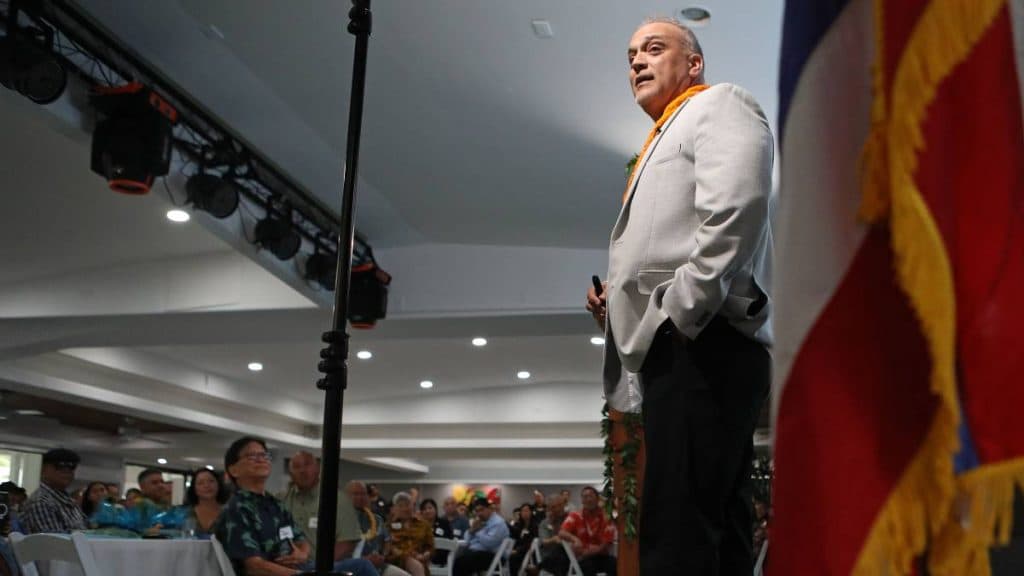
A seven-member Construction Code Commission will not be coming to Hawai'i County. Mayor Kimo Alameda vetoed Bill 127 on Thursday, rejecting what supporters called the most direct fix yet to the Big Island's chronic building code bottlenecks, and proposing a temporary task force in its place.
The distinction matters to anyone who has tried to build or renovate on the island. A permanent commission, as envisioned by Bill 127, would have embedded expert oversight of construction codes directly into county structure, giving contractors, engineers, and homeowners a standing body to address inconsistencies in how codes are interpreted and applied across inspections. A task force dissolves when its work is done. Its findings are recommendations, not binding policy.
Alameda said he backs the bill's intent but draws a sharp line at permanent bureaucratic expansion. "Rather than adding a new permanent commission, we should pursue targeted, practical solutions," he said in his veto message. "A task force charged with making focused recommendations for improving our construction codes would advance the same goals without adding to administrative costs and obligations." The county currently provides administrative support to 36 active boards and commissions, encompassing more than 200 volunteer positions.
For Big Island builders, the stakes are concrete. Permit delays add weeks or months to project timelines, and every month of delay translates into higher labor costs, extended equipment rentals, and deferred occupancy. The county has pointed to its existing Permitting Task Force as evidence of progress, with the administration crediting it for shorter wait times on building and solar permits. But Council member James Hustace publicly questioned that claim during a related building reform debate last fall, noting he could not get a clear answer on whether the "three weeks" figure cited by the mayor's office reflected typical residential construction permits or was skewed by faster-moving solar applications.
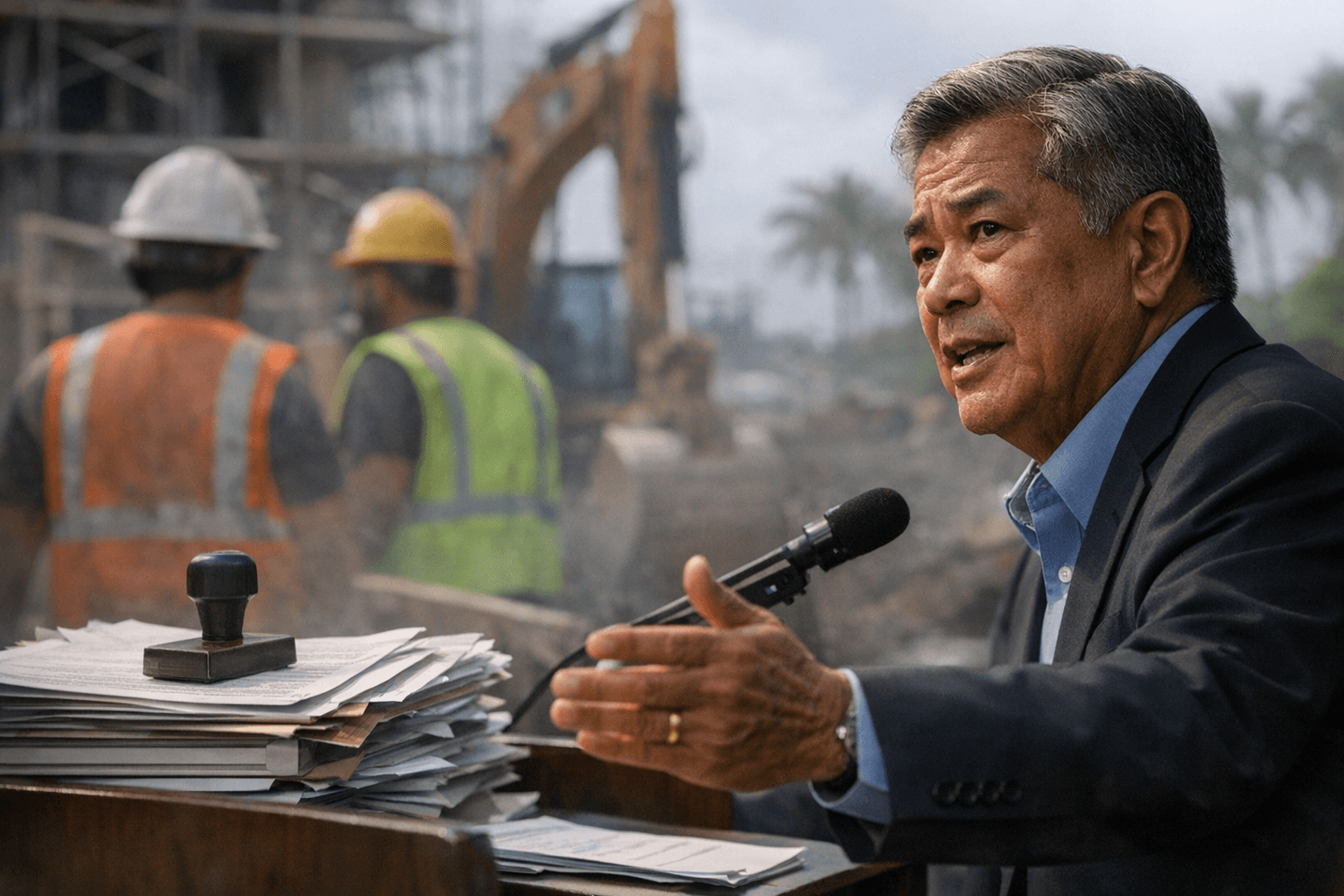
That ambiguity is precisely what advocates for Bill 127 argued a permanent commission would resolve: consistent standards, applied consistently, with an independent body to flag where the code creates unnecessary friction and cost. Without it, the task falls back to the Department of Public Works' Building Division, which simultaneously manages permits, inspections, and code enforcement across the entire island.
This marks Alameda's second veto of his term. His first, of Bill 59 in July 2025, targeted a pedestrian conduct ordinance on constitutional grounds. The construction commission veto is grounded in a philosophy Alameda has held since at least mid-2025, when he also opposed a separate council proposal to spin off an entirely new Department of Building, arguing that the existing Public Works structure just needed stronger leadership rather than a new layer of government.
The County Council can attempt to override the veto, which requires a two-thirds supermajority: six of the nine council members. Council Chair Holeka Inaba would need to schedule the override vote, and the council's next regular meetings provide the earliest opportunity. If the override falls short, the mayor's task force approach moves forward, and the builders, engineers, and homeowners waiting for a more predictable permitting process will be waiting still.
This article was produced by Prism’s automated news system from verified source data, official records, and press releases, then run through automated quality and moderation checks before publishing. The system is built and supervised by the people who set the standards it runs under. Read our full AI policy.
Did this article answer your question?