Nearly 900 seek disaster help months after Kona low storms
Nearly 900 disaster case management referrals have reached the state as Kona low recovery drags on, while households and farms face overlapping aid deadlines.

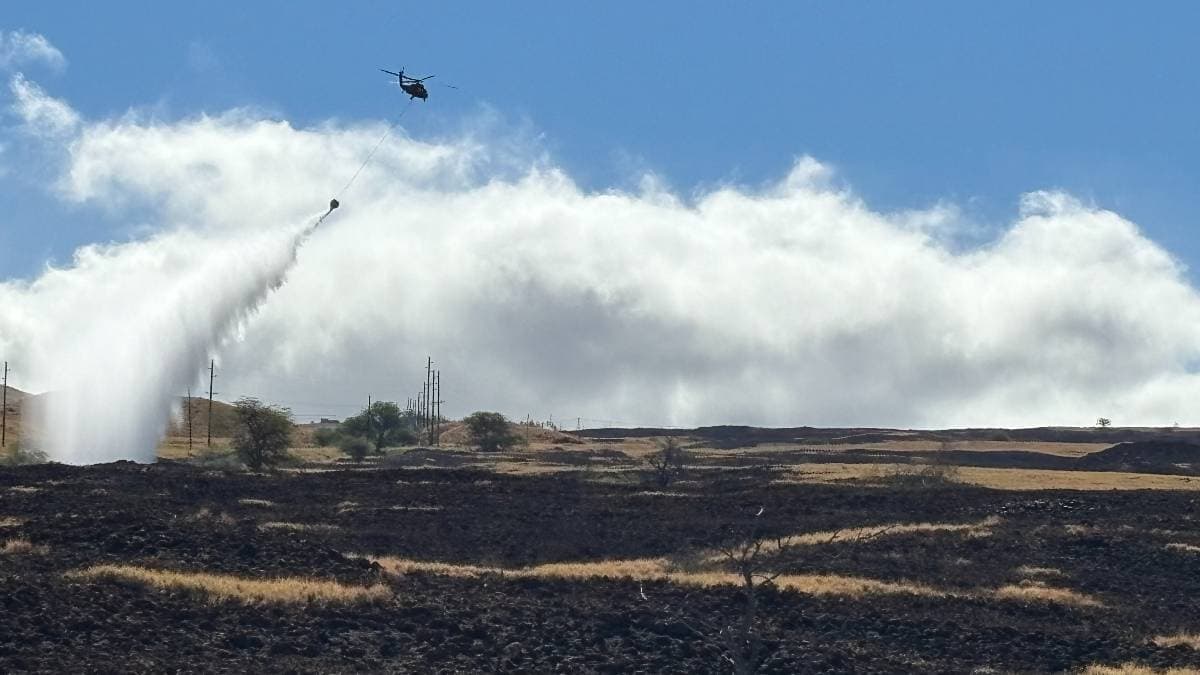
Nearly 900 disaster case management referrals have reached the state. Hawaii Island families and businesses continue sorting through damage from the March Kona low storms, and paperwork, damage documentation, insurance questions and housing needs are still part of the recovery months after the rain and wind hit South Kona, Kaū and other hard-hit parts of the island.
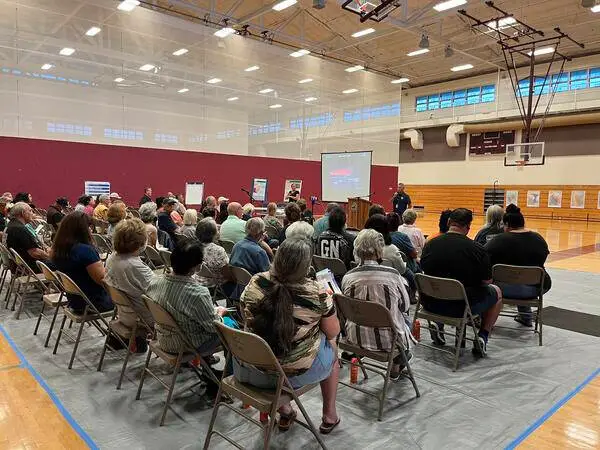
Hawaii Emergency Management Agency told residents impacted by the storms to call 2-1-1 to enroll in the Disaster Case Management Program, which pairs survivors with specially trained case managers. The program was first launched on Oahu and across Maui County, then expanded with additional services on Hawaii Island. HIEMA’s housing-assistance page also gives residents another route: call 2-1-1 or email KonaLowDCMP@gem.org to request a disaster case manager.
The state hotline has been running daily from 7 a.m. to 10 p.m. under the Kona low response. Case managers help survivors assess needs, build a disaster recovery plan and connect them with available resources.
People affected by the March 10-24, 2026 Kona Low flooding in Hawaii and Maui counties were eligible for federal assistance, with a June 14 deadline to apply for FEMA Individual Assistance. Specialists were available at local recovery centers to help survivors apply, and help continued after the deadline.

On April 14, the USDA Farm Service Agency offered disaster assistance to agricultural producers in Hawaii affected by recent flooding, and HIEMA later urged farms to apply for USDA emergency assistance before a July 31 deadline. The storms came in two systems, March 10-16 and March 19-24, bringing high winds, thunderstorms and heavy rain.
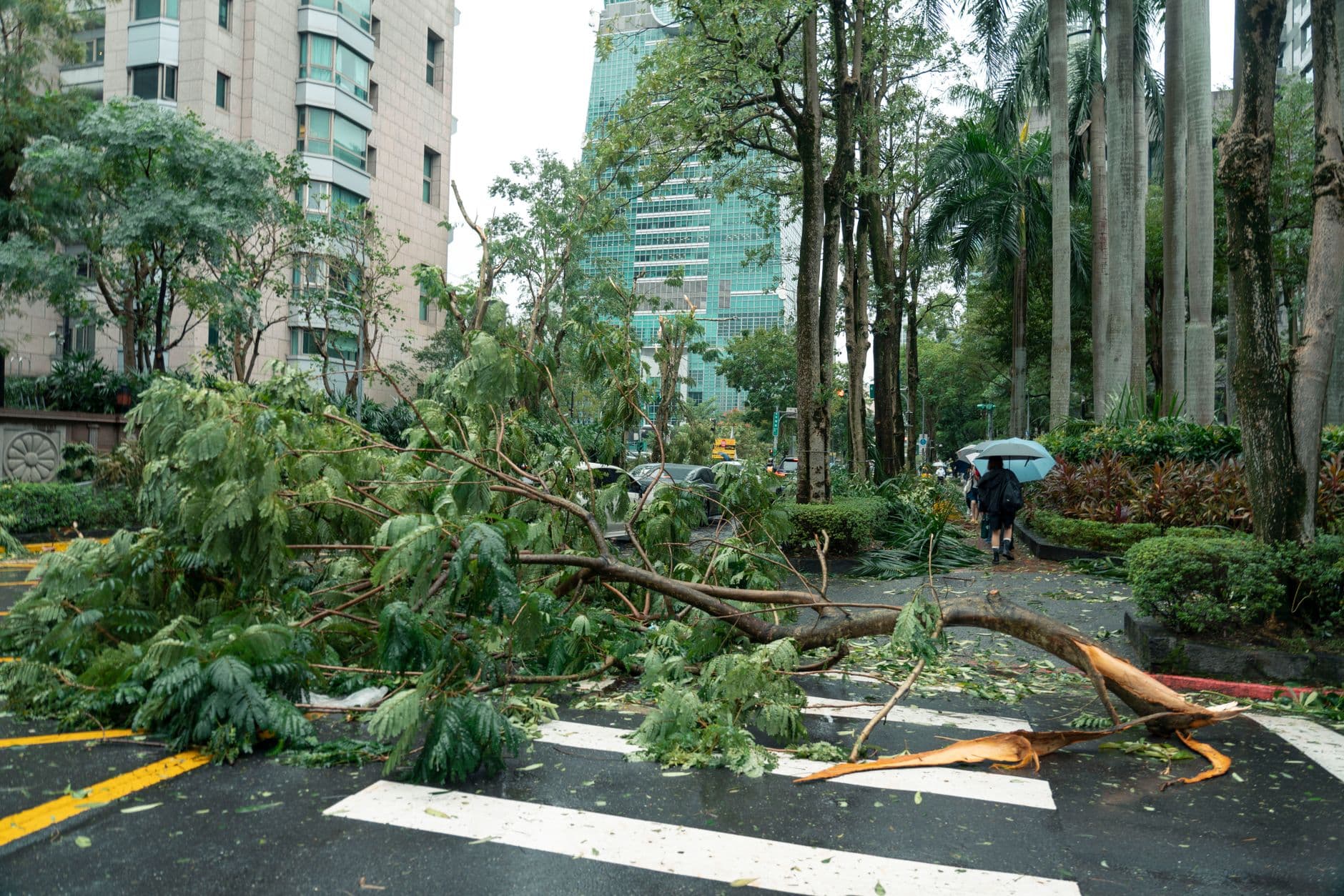
HIEMA has maintained separate recovery pages for Oahu, Maui County and Hawaii Island.
This article was produced by Prism’s automated news system from verified source data, official records, and press releases, then run through automated quality and moderation checks before publishing. The system is built and supervised by the people who set the standards it runs under. Read our full AI policy.
Did this article answer your question?