Proposals include toll booth, cultural center for Maunakea access road
A toll booth on the Maunakea access road could mean visitors pay to reach the summit, as DHHL weighs control of a four-mile corridor after the Supreme Court’s ruling.
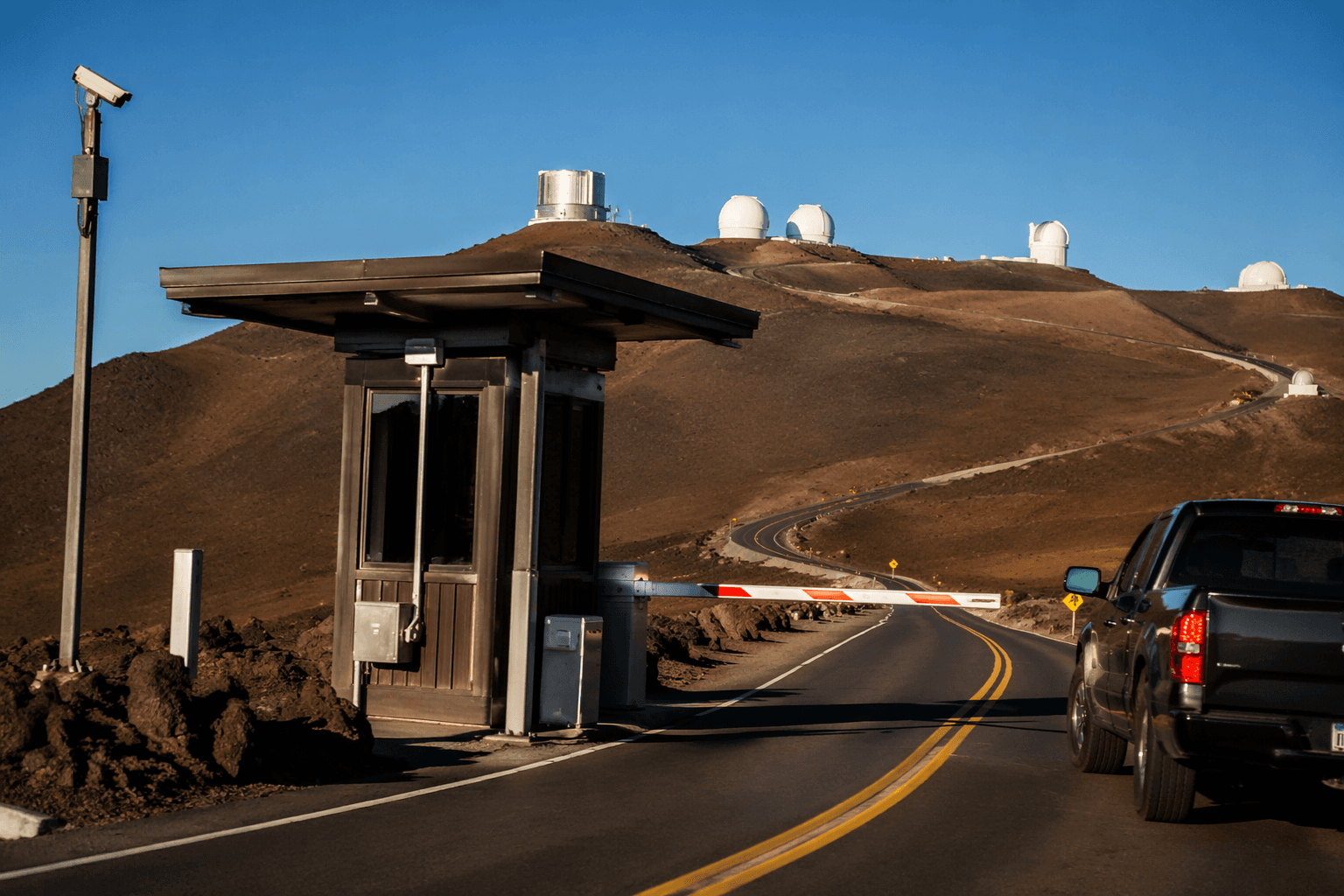
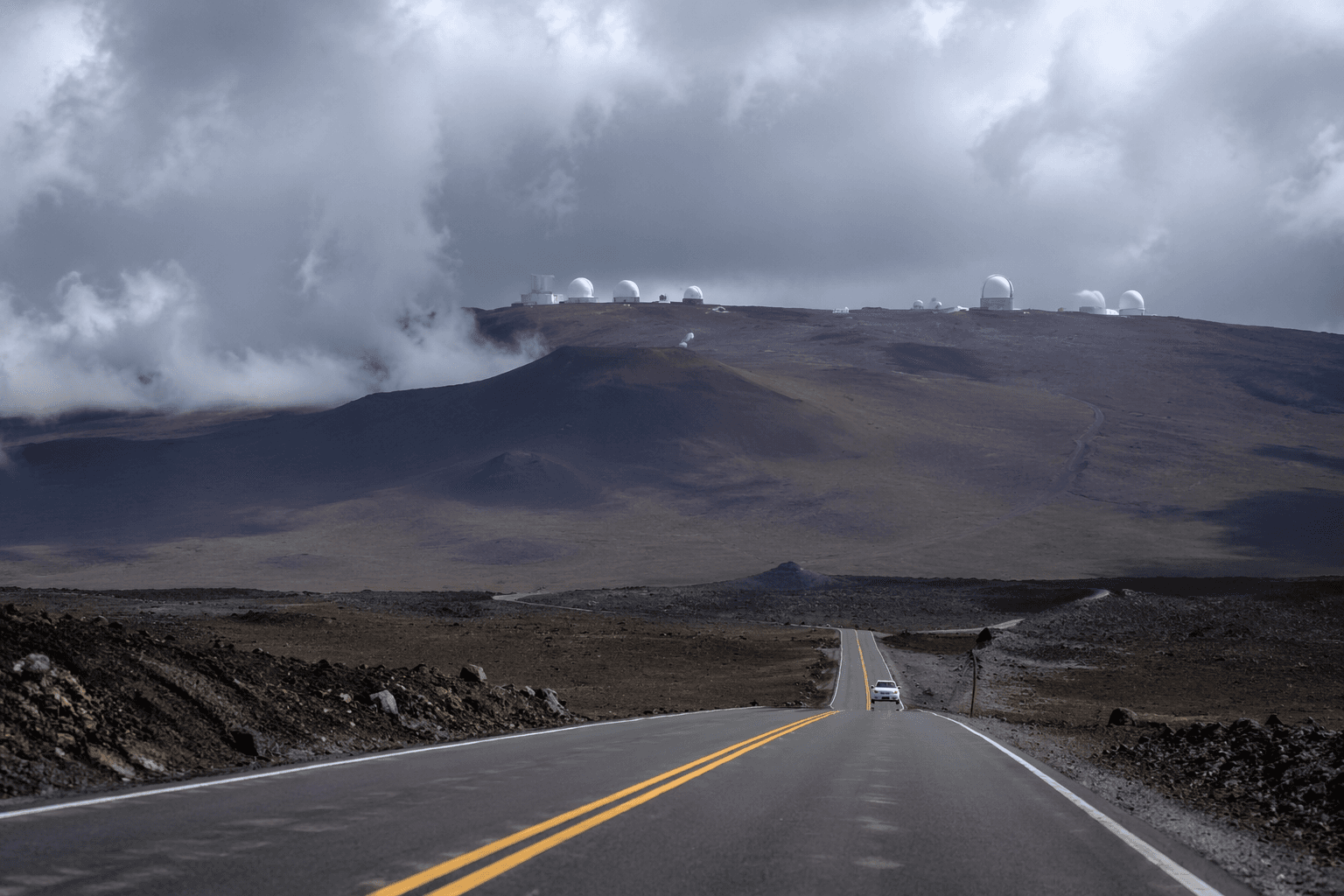
Visitors could end up paying to use the Maunakea Access Road if one of the new land-use proposals moves ahead, while the Department of Hawaiian Home Lands reasserts control over the four-mile stretch the state was found to have taken improperly. The planning fight now centered on access, revenue and cultural stewardship traces directly to the Hawaii Supreme Court’s May 30, 2024, ruling in Kanahele v. State.
The court said the portion of the road crossing DHHL trust land is not a state highway because the legal requirements for that designation were not met. It also held that the state breached its constitutional and fiduciary duties under the Hawaiian Homes Commission Act, sending the case back for further proceedings on compensation and damages.
DHHL says it received two proposals for a long-term land disposition covering the four miles of Maunakea Access Road and additional lands in C1 of the Āina Mauna Legacy Plan. One came from Waimea Hawaiian Homesteaders Association, also known as Waimea Nui, and centers on a cultural center, trained cultural stewards on site, and opportunities for youth and the broader community. The group’s April 2 presentation says Maunakea is a sacred landscape with trails, shrines, burials, ahu, gathering areas and ceremonial sites, and argues the road should be managed through kuleana, protection and accountability. Waimea Nui Community Development Corporation says it has secured more than $16 million for infrastructure and community development.
The other proposal came from Koa Kiai, a Native Hawaiian group led by a local tour company operator. Its plan calls for a toll booth, parking, bathrooms, a gift shop, a playground, a workout area, a food truck and astronomy, cultural and environmental tours, along with cultural monitoring and ecological restoration. The proposal estimates $1.5 million in implementation costs and $1.75 million in first-year toll and parking revenue, making the road itself part of the financing model.
The issue has become bigger than one parcel of road. The Maunakea Stewardship and Oversight Authority, created by Act 255 in 2022 to balance ecology, culture, education and science, discussed the DHHL road issue at its June 18 board meeting, with public testimony accepted in person, by Zoom or by phone. The authority is taking over summit-region management from the University of Hawaii, and it is expected to work with DHHL, the Center for Maunakea Stewardship and the Department of Land and Natural Resources as the transition unfolds.
The stakes are heightened by Maunakea’s legal and cultural standing. The National Park Service listed the Mauna Kea Traditional Cultural Property and District on the National Register of Historic Places on March 27, 2025, recognizing the mountain’s historic sites, trails, shrines and burials. The road dispute also carries the memory of the 2019 protests, when 38 kūpuna were arrested on the access road. For Native Hawaiian practitioners, local residents and visitors alike, the question now is who will control the corridor, who will pay, and whether Maunakea’s next chapter can balance access with accountability.
This article was produced by Prism’s automated news system from verified source data, official records, and press releases, then run through automated quality and moderation checks before publishing. The system is built and supervised by the people who set the standards it runs under. Read our full AI policy.
Did this article answer your question?