Rare Hawaii Island plants rediscovered, offering hope for survival
Two critically rare Hawaii Island plants, oha wai and makou, were found in the wild, shifting them from presumed loss toward survival.
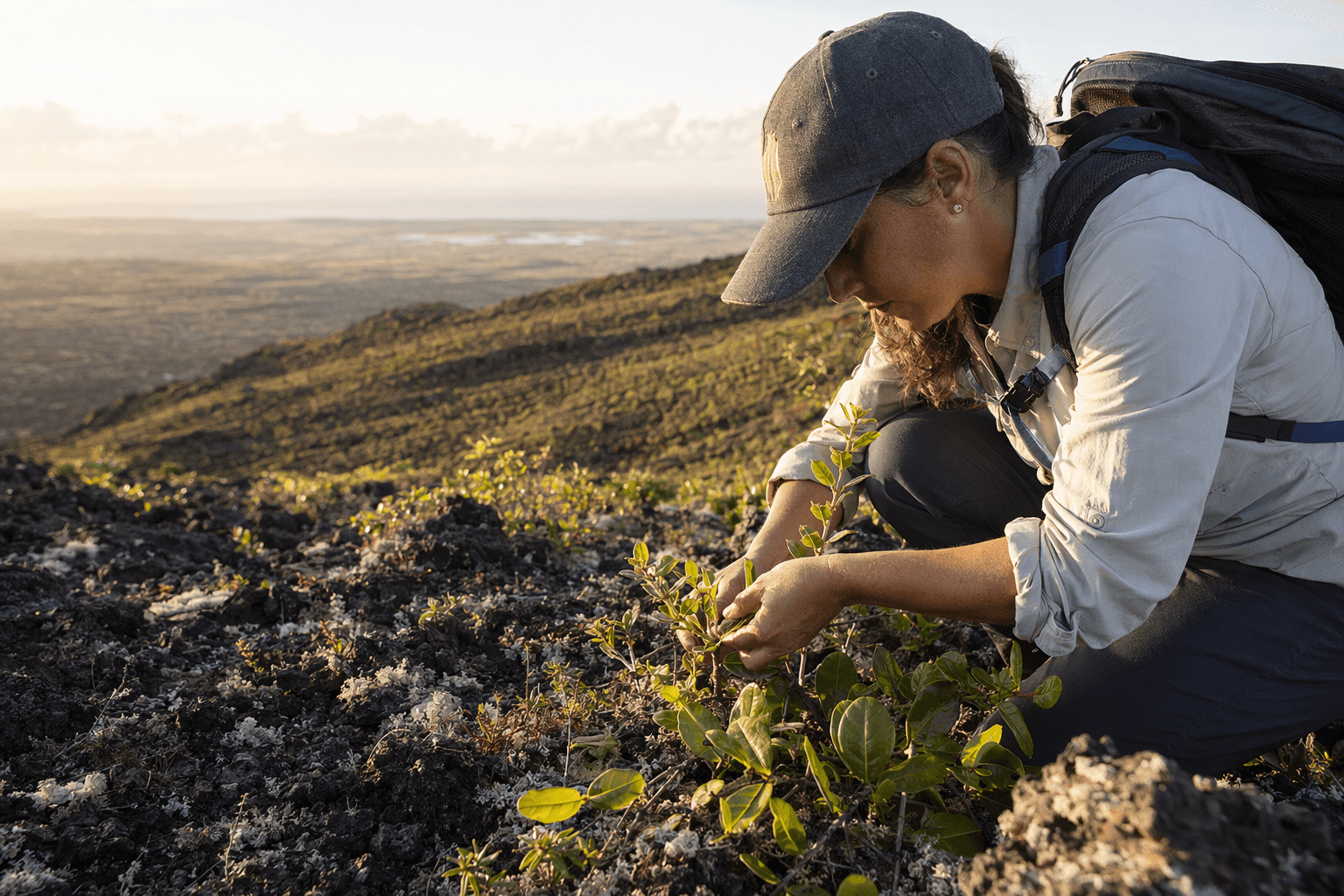
Two critically rare Hawaii Island plants, oha wai and makou, have been found in the wild, a discovery that changes the outlook for species botanists had known from just one remaining wild individual of one plant and none of the other. For Big Island conservation, that is not a minor botanical note. It is a sign that some native habitats still hold enough life to offer a path back from the brink.
The state Department of Land and Natural Resources said its Rare Plant Program 2025 Island Highlights report also documented five new plant species discovered in recent years on Kauai, along with several species long thought lost that were rediscovered. Together, those finds give Native Plant Month a sharper conservation edge: the story is not only about adding names to Hawaii’s flora, but about whether fragile ecosystems can still shelter species before they disappear for good.
On Hawaii Island, the rediscoveries carry special weight because the island spans wet forests, dry lava landscapes and everything in between. A rare plant turning up here can signal that a habitat still has enough protection, or enough remoteness, to survive pressure from hoofed animals and invasive pests. DLNR said those threats remain a major obstacle to restoration work, alongside damage from coconut rhinoceros beetles, which can complicate efforts to protect native species and rebuild habitat.
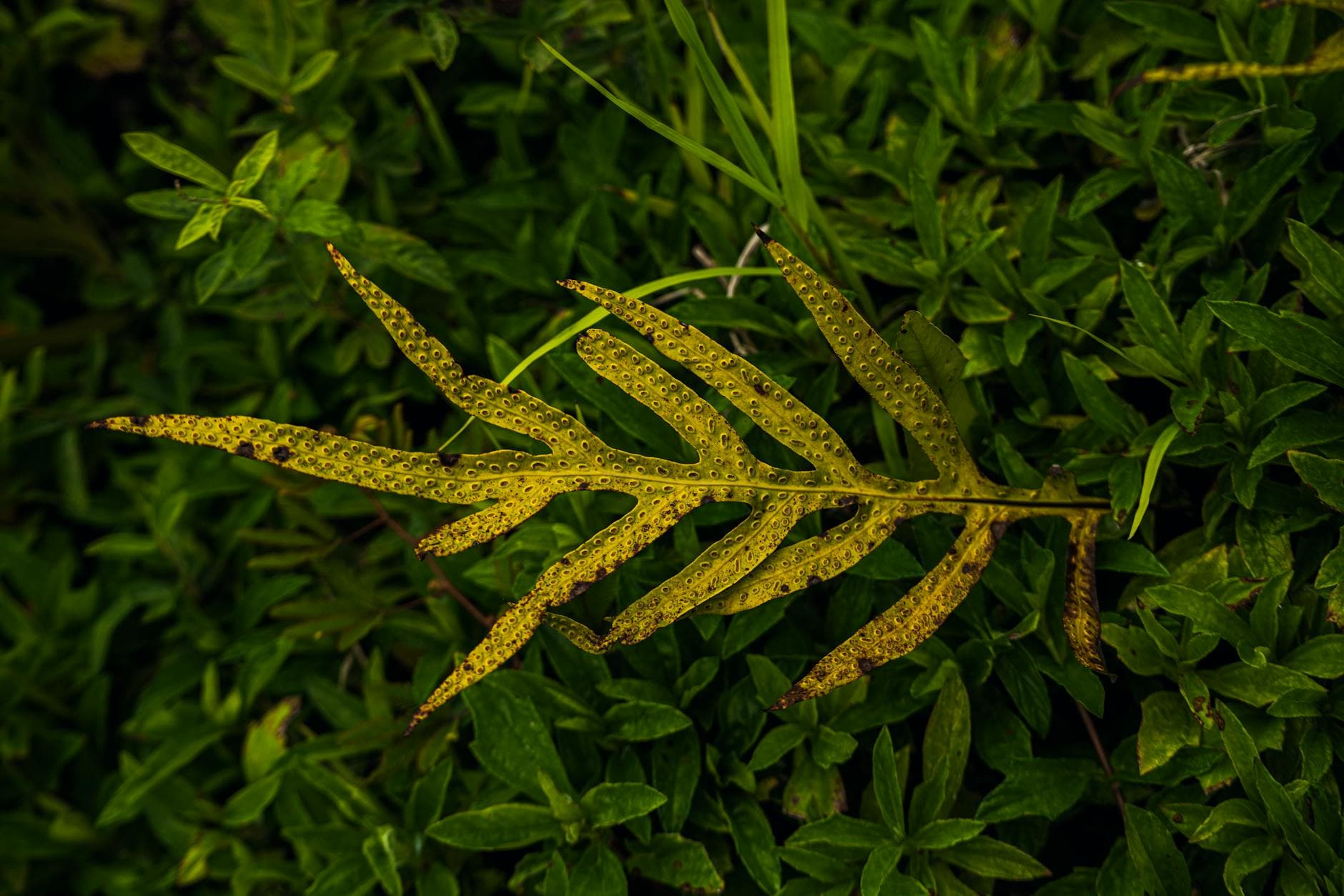
The report also shows how plant conservation has changed. Partner groups are using drones for remote monitoring and specimen collection, blending fieldwork with technology in places that can be difficult to reach on foot. Matt Keir, a DLNR botanist, said this year feels especially meaningful because discovering new species and expanding what is known about Hawaiian plants means there is literally more to celebrate. On an island where native forest, cinder slopes and lava fields can shift from one ridge to the next, that celebration still comes with a warning: a rediscovered plant is not secure simply because it has been found.
For Hawaii Island, the report is a reminder that conservation policy and land management are measured not just in acres or permits, but in whether critically rare species like oha wai and makou can keep reproducing in the wild. The difference between presumed extinction and survival now depends on what happens next in the places they were found.
This article was produced by Prism’s automated news system from verified source data, official records, and press releases, then run through automated quality and moderation checks before publishing. The system is built and supervised by the people who set the standards it runs under. Read our full AI policy.
Did this article answer your question?