State lawmakers advance bills banning commercial aquarium collection, increasing reef-fish poaching penalties
State lawmakers advanced HB2101 and SB2078 on Feb. 22, 2026, aiming to ban commercial aquarium collection and impose fines up to $1,000 per poached reef fish plus extra penalties if fish are injured or killed.
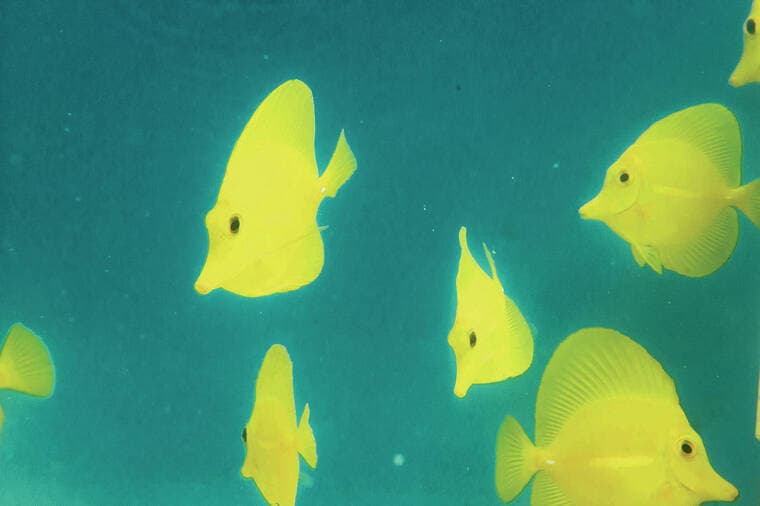
State lawmakers advanced a package of bills on Feb. 22, 2026 that would ban commercial capture of native reef fish for the aquarium pet trade and make aquarium poaching a criminal offense with fines of up to $1,000 per fish and additional penalties if fish are injured or die. The measures advancing include House Bill 2101 and Senate Bill 2078, and their movement shifts the debate from administrative rulemaking back into the Legislature.
House Bill 2101, as presented to the House Committees on Energy and Environmental Protection and Water and Land, would bar the capture and sale of aquatic fish from Hawaiʻi’s native reefs when done for the commercial pet trade. HB2101 was scheduled for a House hearing on Wednesday, Feb. 18 at 8:45 a.m. in Room 411, with written testimony due by Feb. 17 at 8:45 a.m. Advocacy materials and Office of Hawaiian Affairs testimony urged exemptions for scientific and educational institutions, aquaculture and fishpond stocks, bait, and subsistence fishing. OHA wrote that the bill would “permanently prohibit extraction of Hawaiʻi’s reef life for commercial sale as aquarium pets and ornamental aquarium displays, without limiting permitted collection for scientific and educational institutions, aquaculture and fishpond stocks, bait, and subsistence fishing practices,” and tied the proposal to OHA’s duties under Article XII, section 7 of the Hawaiʻi State Constitution.
Senate Bill 2078 targets enforcement and penalties. SB2078 would classify “poaching for aquariums” as a criminal offense punishable by jail time and fines of up to $1,000 per fish, with an additional fine of up to $500 or the retail value of the fish, whichever is higher, if the fish was injured or died as a result of capture. Sources advancing the measure note jail time is part of the penalty structure, but the bills as reported do not specify lengths of incarceration or whether offenses would be misdemeanors or felonies.
The bills come amid an ongoing legal and administrative back-and-forth. West Hawaiʻi has had a commercial aquarium ban since 2017, and litigation tied to the Hawaiʻi Environmental Policy Act extended effective bans across the rest of the state by 2021. The Department of Land and Natural Resources Board recently voted to advance proposed rules that would allow commercial collection to resume, prompting criticism from environmental groups. “The Board’s decision is disappointing, given the overwhelming weight of public testimony urging the Board to fundamentally rethink these rules before sending them out to the public,” Earthjustice said, and noted the Board amended rules to remove food fish and to reduce the yellow tang annual quota from 200,000 to 100,000 fish. Earthjustice warned that if rules are finalized, “hundreds of thousands of reef fish” could be taken from West Hawaiʻi over the next five years.

| Support for statutory prohibition is strong among tribal and conservation advocates. Hawaii County Council, cultural practitioners, environmental groups and OHA provided substantial in-person and written support in committee, and an Anthology | FINN Research poll of Oʻahu and Hawaiʻi Island residents shows 84 percent support for permanently banning commercial capture of reef fish for the aquarium trade. Opponents include individuals in the aquarium fishing and pet trade; seven collectors in West Hawaiʻi have completed HEPA environmental review and have signaled plans to resume commercial activity, arguing livelihoods are at stake. West Hawaiʻi reef-protection advocate Mike Nakachi said, “But we will be ready as a community to show up and testify in strong opposition to these rules; DLNR better make sure they have a big room and plenty time for these public hearings.” |
|---|---|
| Procedurally, multiple bill numbers are in circulation: HB2101 and SB2078 were advanced, campaign materials list SB2535 as a deferred Senate companion, and sample testimony references SB2996 as a statewide prohibition. Key follow-ups remain: full statutory text of HB2101 and SB2078 as advanced, exact jail-term lengths, clarification on which Senate bill is the official companion, identities of the seven collectors who completed HEPA review, Anthology | FINN Research poll methodology, and which agencies would enforce criminal penalties. |
Advancement on Feb. 22, 2026 sends the measures to the next stages of legislative consideration and sets up a clash between lawmakers, DLNR rulemaking and community advocates as hearings and enforcement details are sorted.
Know something we missed? Have a correction or additional information?
Submit a Tip

