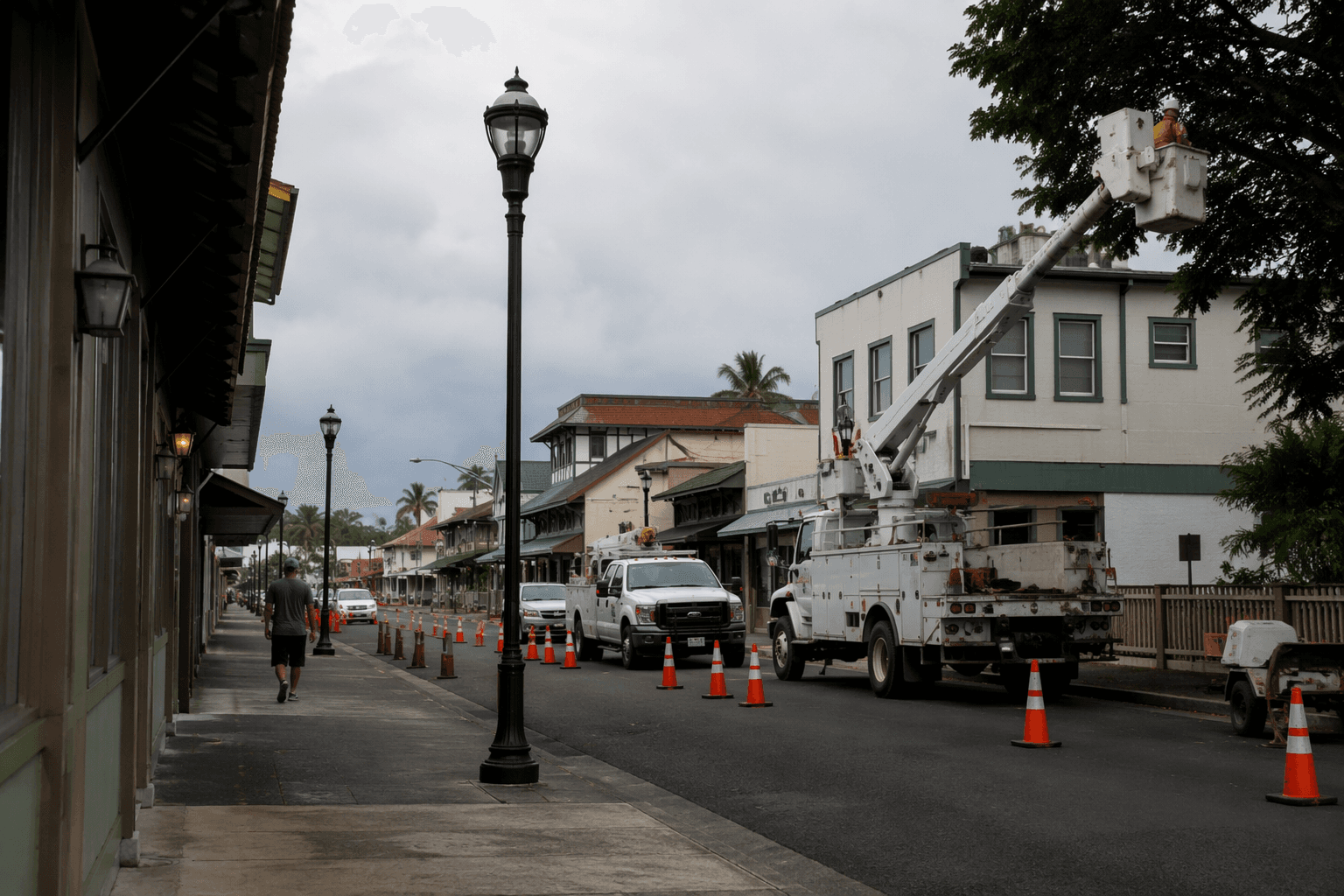
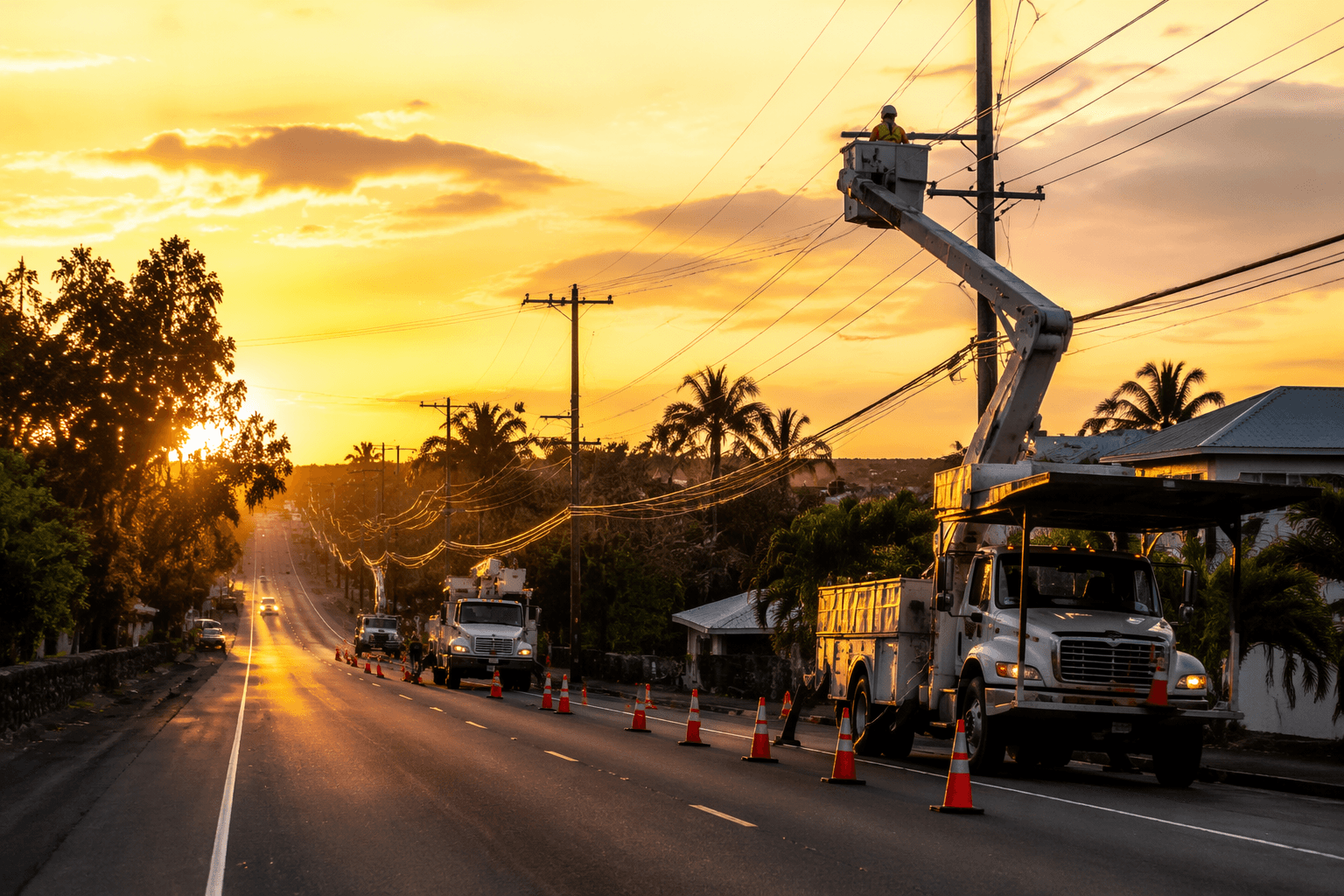
State repaves Saddle Road with safety upgrades after deadly crashes
State crews are repaving Saddle Road between mileposts 10 and 22.5 with traction-improving OGFC after five deaths, but drivers may still be waiting on bigger fixes.
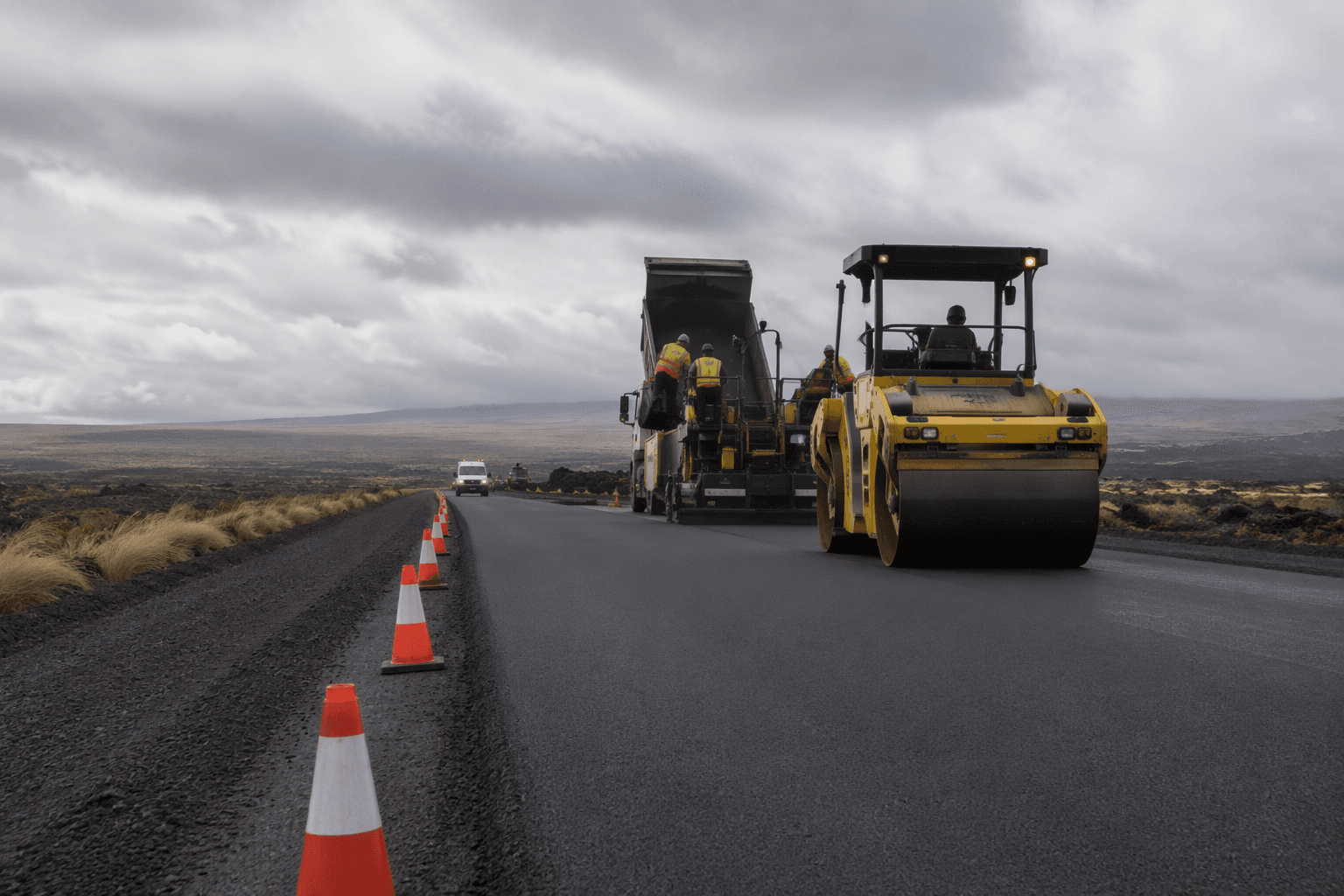
The state Department of Transportation is repaving Daniel K. Inouye Highway between mileposts 10 and 22.5 with open-graded friction course, a surface meant to increase drainage and reduce hydroplaning after five fatalities on the road this year. The work is part of a broader safety response on Saddle Road, where officials declared a traffic emergency zone on June 5 and law enforcement then stepped up patrols.
DOT says the paving is not cosmetic. Open-graded friction course is designed to help water move off the roadway faster, which matters on a high-speed corridor that links Hilo, the island’s interior and West Hawaii. A June 6 DOT notice said the installation required a single-lane closure, and later updates said the repaving and OGFC work were taking place weekly.
The state is pairing the new surface with striping, rumble markers and warning signs. Those changes are aimed at making the road easier to read and reducing the chance that a driver drifts across lanes or loses control in wet conditions. In August 2024, DOT already had moved to make sections of the highway no-passing zones, showing the state has been layering safety changes onto the corridor for some time.
The latest push follows a violent stretch on one of the Big Island’s most important roads. A June 4 crash on Daniel K. Inouye Highway killed one person and injured another near the Kaumana Drive intersection. On June 6, DOT said it would begin work on the Hilo side of the highway, after the emergency declaration, and police increased their presence soon after.

Hawaii Police Department said it deployed eight extra officers to patrol the road and later carried out more than 1,000 traffic stops after stepping up enforcement in June. The increased police presence was one immediate answer to the crash pattern, but the highway’s physical design is still at the center of the debate. A bill to lower the speed limit on DKI Highway died in the Legislature in April, and a petition calling for median barriers has kept pressure on state officials to go beyond resurfacing and signage.
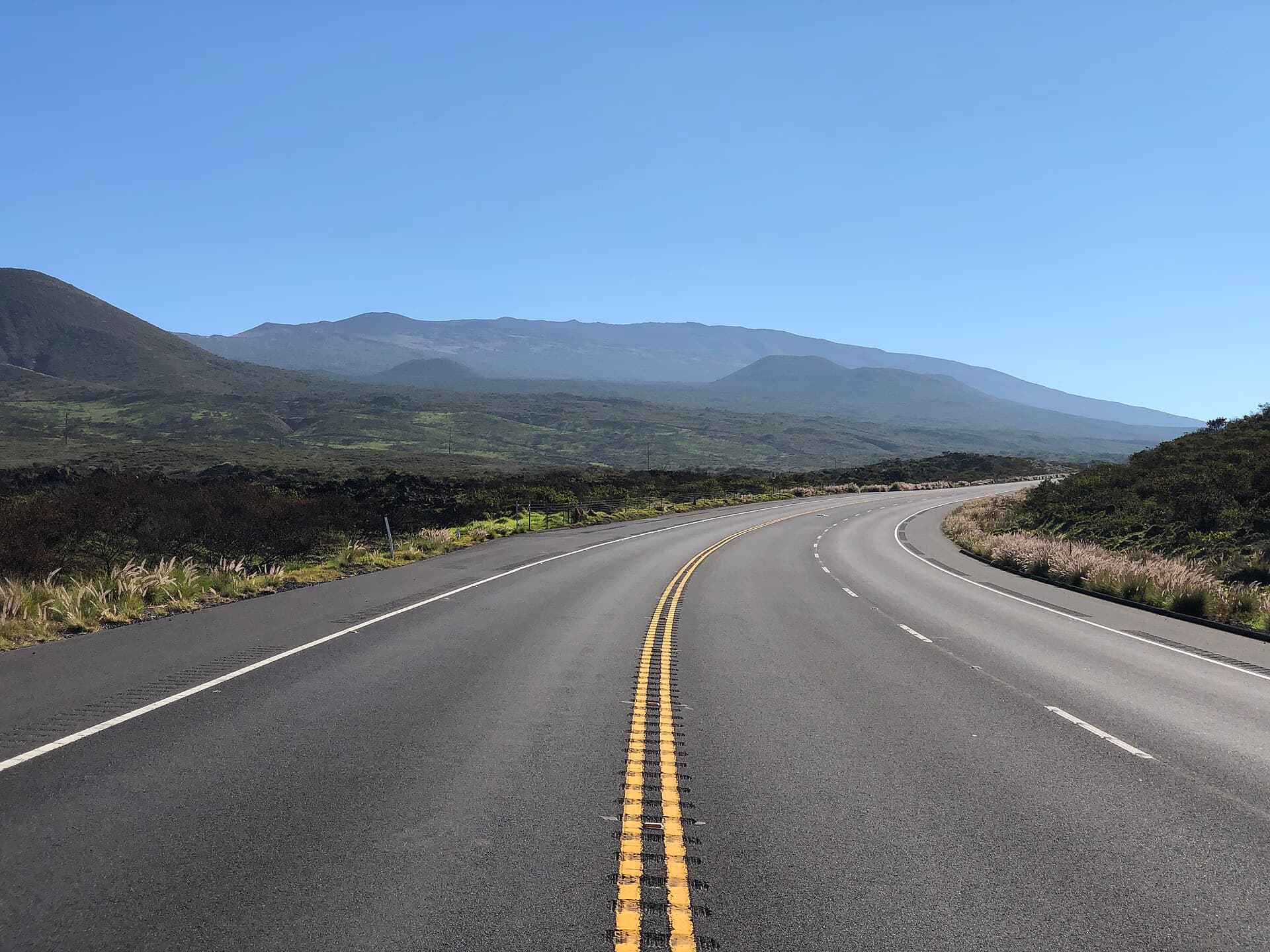
For drivers heading between Hilo and Kona, the work means both help and hassle. The new surface and markings are meant to address a known danger, especially hydroplaning, but the project also brings lane closures and delays, and a June update said weather was pushing the estimated completion later. For now, the state’s response focuses on making Saddle Road grip better and read clearer, while residents continue to press for whether that is enough after the fatalities.
This article was produced by Prism’s automated news system from verified source data, official records, and press releases, then run through automated quality and moderation checks before publishing. The system is built and supervised by the people who set the standards it runs under. Read our full AI policy.
Did this article answer your question?