State widens coffee berry borer rules, Big Island already covered
Lānai and Kauai joined Hawaii’s coffee berry borer map, while Hawaii Island has lived under the same rules since 2010. Green-bean shipping gets easier, but planting stock still faces permits.
Lānai and Kauai were added to Hawaii’s coffee berry borer infestation map this week, extending rules that Big Island coffee operators have lived under since 2010. The designation took effect June 24, 2026, and leaves Molokai as the only island not covered by the state’s coffee berry borer infestation rules.
For Hawaii Island growers, roasters and processors, the change does not create a new burden so much as it confirms the containment regime they already know. Green coffee beans moving interisland for roasting or consumption, along with used coffee bags and harvesting equipment, no longer need permits and inspections for the newly designated islands, although those materials remain subject to periodic and random checks. Coffee plants, seeds and other propagative material still require permits, and movement to Molokai remains tightly controlled with permits, disinfestation treatment and a one-year quarantine for planting material.
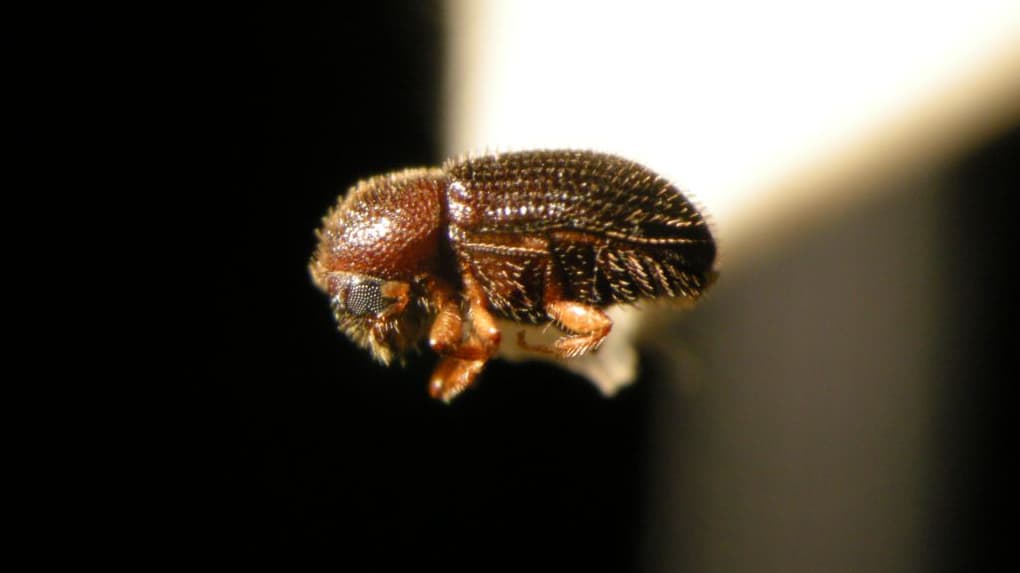
The infestation was first reported in Kona on September 2, 2010, after H.C. Bittenbender and Elsie Burbano alerted state agriculture officials to beetles heavily infesting coffee berries. State officials have described coffee berry borer as one of the most devastating coffee pests, and researchers have called it the world’s most damaging insect pest of coffee. The beetle bores into the coffee cherry to lay eggs, and the larvae feed inside the bean, cutting both yield and quality.
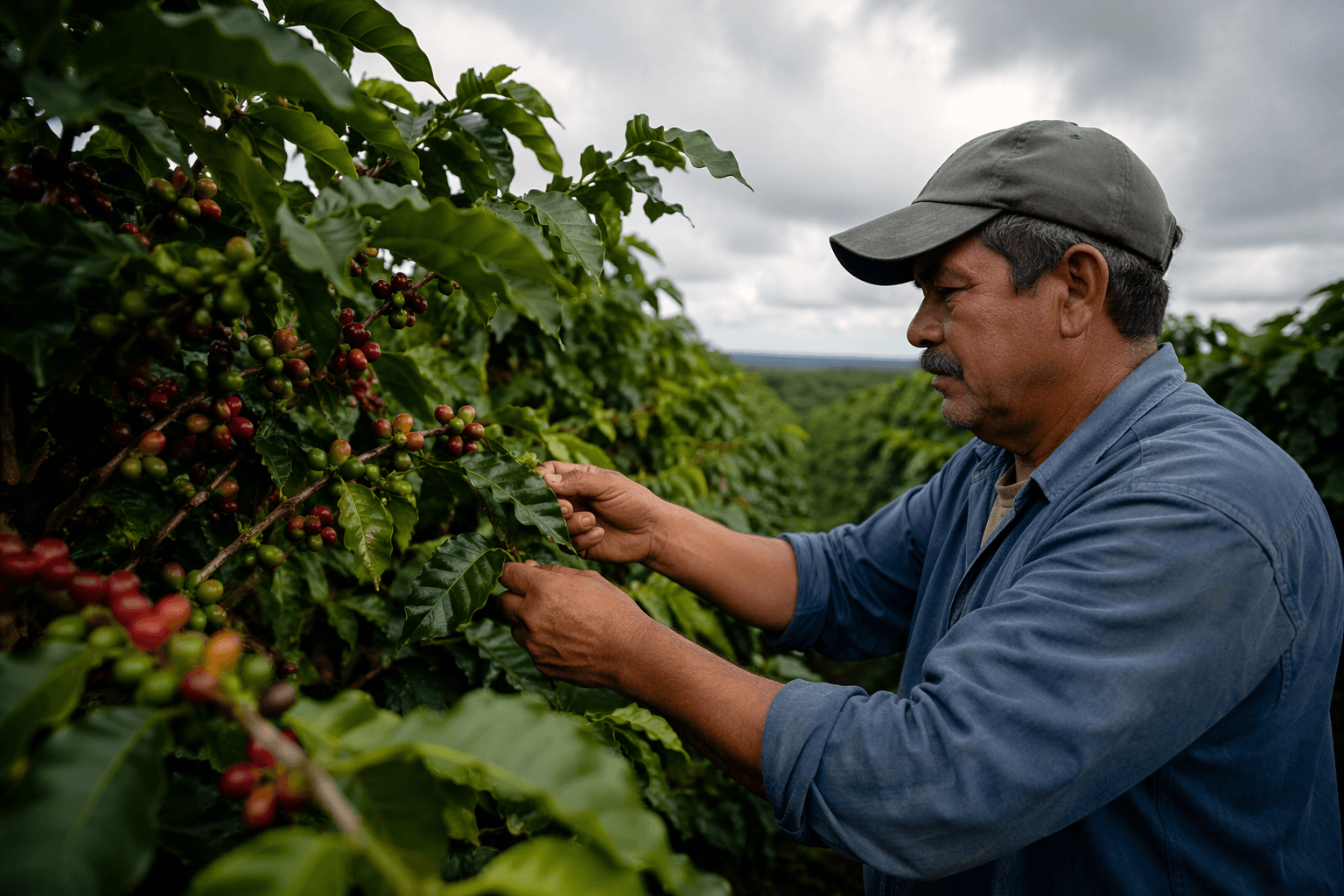
That history matters on Hawaii Island because coffee berry borer has already reshaped farm routines, storage practices and shipping decisions across Kona and beyond. A 2023 peer-reviewed study on Hawaii Island found that cultural-control-focused management, especially more frequent sanitation and harvesting, lowered mean infestation to 4.6 percent in the 2019-2020 seasons, compared with 9.0 percent under conventional management.
The state has also tried to soften the cost of fighting the pest. The Hawaii Legislature created a coffee berry borer pesticide subsidy program in 2014 to help growers buy Beauveria bassiana-based pesticides, and later testimony said the program was still being extended because the threat continued. In 2026, state testimony backed designating Kauai as an expanded infested area while easing intrastate movement restrictions, framing the policy as both biosecurity and a practical trade issue for coffee businesses.
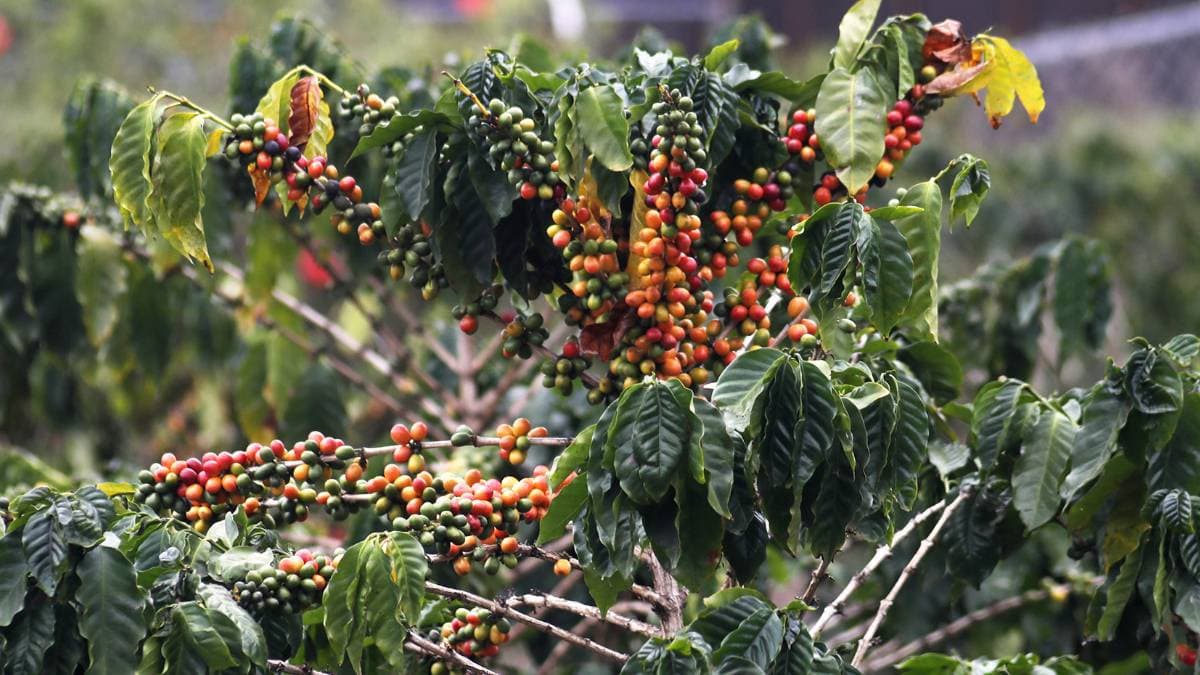
For Big Island growers, the latest expansion mostly reinforces a reality that has shaped the island’s coffee economy for 16 years: coffee berry borer is no longer treated as a Kona problem or even a Hawaii Island problem, but as a statewide farm-business cost that continues to set the terms for how Hawaii coffee moves, is cleaned and is sold.
This article was produced by Prism’s automated news system from verified source data, official records, and press releases, then run through automated quality and moderation checks before publishing. The system is built and supervised by the people who set the standards it runs under. Read our full AI policy.
Did this article answer your question?